








Key points
- NUPRC called for stronger collaboration to build a resilient and globally competitive petroleum sector.
- The commission said stakeholder engagement has helped shape upstream reforms and improve the investment climate.
- NMDPRA said Nigeria is positioning itself to become Africa’s refining hub through regulatory reforms and gas expansion.
Main story
The Nigerian Upstream Petroleum Regulatory Commission (NUPRC) has called for stronger collaboration between government and industry stakeholders to build a resilient, globally competitive petroleum sector capable of driving economic growth and strengthening Nigeria’s energy security.
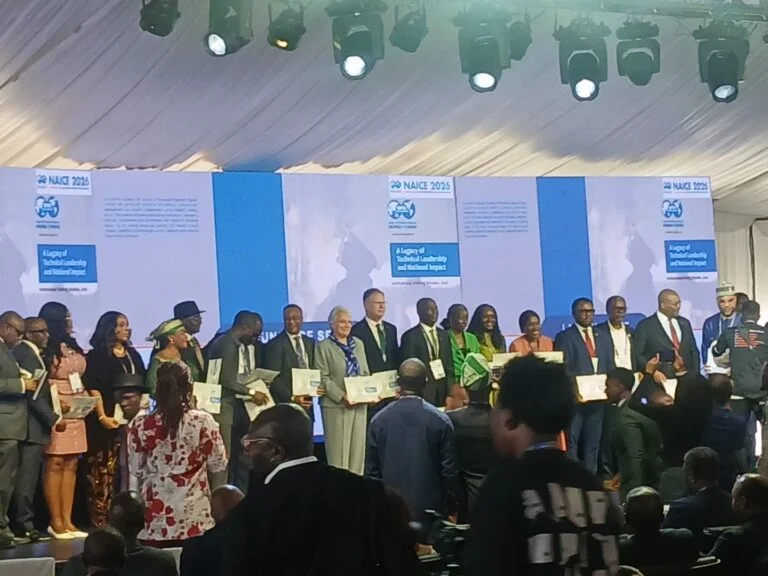
The Chief Executive of NUPRC, Oritsemeyiwa Eyesan, made the call on Monday while delivering a keynote address at the 49th Society of Petroleum Engineers Nigeria Annual International Conference and Exhibition (NAICE 2026) in Lagos.
She said sustained dialogue and partnerships remain essential to positioning Nigeria to thrive amid the rapidly evolving global energy landscape.
Eyesan described the conference as one of Africa’s foremost technical and strategic energy platforms, noting that it has, since 1976, brought together policymakers, regulators, industry leaders, researchers and innovators to shape the future of the oil and gas sector.
She said this year’s theme, “Thriving in the Evolving Global Energy Landscape: Collaborative Growth and Resilience,” reflects the realities confronting the industry.
According to Eyesan, many of the reforms transforming Nigeria’s upstream petroleum sector have been influenced by recommendations from industry engagements and technical contributions made during forums such as the SPE conference.
She said the commission’s consultations with operators and other stakeholders have helped create a more transparent, predictable and investor-friendly regulatory environment.
The NUPRC chief stressed that resilient energy systems, sustained investment and long-term industry growth can only be achieved through strong partnerships.
She urged participants to challenge existing assumptions and develop practical solutions that would strengthen regulatory frameworks and improve the investment climate, assuring them that stakeholder recommendations would continue to shape future policies.
Eyesan said Nigeria’s abundant oil and gas reserves, vibrant indigenous petroleum industry, skilled workforce, improving regulatory framework and strategic location position the country to play a leading role in the evolving global energy landscape.
She called on stakeholders to move beyond discussions and work together to build an energy industry that supports sustainable economic growth and national energy security.
Also speaking, the Chief Executive of the Nigerian Midstream and Downstream Petroleum Regulatory Authority (NMDPRA), Rabiu Umar, said Nigeria is on course to becoming Africa’s refining hub.
Umar said the Authority’s regulatory strategy is anchored on energy security, gas expansion and regulatory excellence, adding that its approach would remain firm, fair and fast to encourage investment and industry growth.
He said the emergence of large-scale private and modular refineries is transforming Nigeria from a crude oil exporter and importer of refined products into a producer and exporter of refined petroleum products.
According to him, the NMDPRA is working closely with the NUPRC to enforce domestic crude supply obligations to ensure local refineries receive adequate feedstock.
Umar said the Authority is also prioritising the rehabilitation of pipeline infrastructure, strategic petroleum storage and nationwide petroleum product distribution to strengthen energy security.
He described natural gas as the cornerstone of Nigeria’s energy transition, noting that the Authority plans to expand gas utilisation across power generation, industries and transportation while promoting the adoption of Liquefied Petroleum Gas and Compressed Natural Gas.
He added that another round of gas distribution licences would be launched following the completion of a nationwide gas market mapping exercise to identify viable distribution clusters.
Umar also said the government remains committed to transitioning to a willing buyer-willing seller gas pricing framework under the Petroleum Industry Act as infrastructure and market conditions improve.
The issues
Nigeria’s energy regulators are seeking to deepen collaboration with industry players as they pursue reforms aimed at attracting investment, expanding domestic refining, accelerating gas development and strengthening the country’s long-term energy security.
What’s being said
“The best policies and regulations are built through collaboration. By listening, learning, and working together, we are building a regulatory system that is practical, responsive, and forward-looking.” — Oritsemeyiwa Eyesan, Chief Executive, NUPRC.
“Our regulatory approach will be firm, fair, and fast.” — Rabiu Umar, Chief Executive, NMDPRA.
What’s next
Regulators are expected to continue implementing reforms to improve the investment climate, expand refining and gas infrastructure, and strengthen collaboration with industry stakeholders to support Nigeria’s energy transition and economic growth.
Bottom line
Nigeria’s petroleum regulators believe stronger collaboration, regulatory certainty and accelerated investment in refining and gas infrastructure will be critical to building a more resilient and globally competitive energy industry.









 has called for stronger collaboration between government ...)