






KEY POINTS
- Finance Minister Taiwo Oyedele says Nigeria’s net foreign reserves have risen above $45 billion from less than $1 billion in 2023.
- Economic growth increased to 4.43 per cent in the second quarter of 2026, while inflation fell to 14.63 per cent in September.
- The government says its debt-service-to-revenue ratio has dropped below 60 per cent from nearly 100 per cent.
- More than 1.5 million students have received over ₦372.6 billion in education loans, while more than 10 million households have received cash transfers worth over ₦600 billion.
- The Federal Executive Council approved financing for electricity infrastructure, railway equipment and Nigeria Customs Service operations.
- The government’s $21.7 billion external borrowing plan covers infrastructure and other development projects, but the amount is not money already borrowed.
MAIN STORY
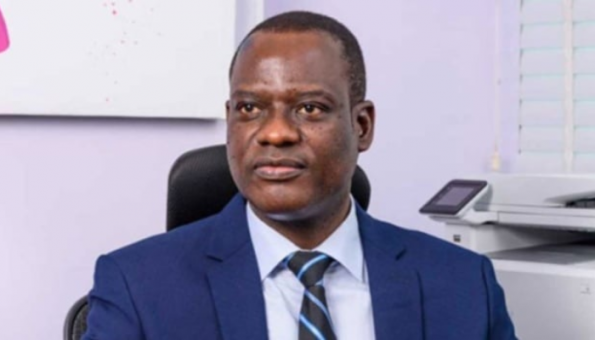
Nigeria’s net foreign reserves have risen to more than $45 billion from less than $1 billion in 2023, Finance Minister Taiwo Oyedele has said, citing the improvement as one of the outcomes of economic reforms introduced by President Bola Tinubu’s administration.
Oyedele, who is also the Coordinating Minister of the Economy, disclosed this while briefing State House correspondents after Wednesday’s Federal Executive Council meeting in Abuja.
He said Nigeria’s economic growth rate increased from 2.74 per cent in May 2023, when the reforms began, to 4.43 per cent in the second quarter of 2026. Growth measured in US dollar terms reached 17 per cent in the first half of 2026, which he said placed Nigeria among the leading contributors to global gross domestic product growth.
Inflation also declined to 14.63 per cent in September from 20.98 per cent a year earlier, following a peak of approximately 34 per cent, according to the minister. He attributed the improvement to measures including the removal of petrol subsidies and adjustments to the foreign exchange market.
Oyedele said the removal of petrol subsidies in 2023 addressed a structural problem that had persisted for about five decades, adding that the benefits of the policy were beginning to accrue. He also said the naira had stabilised, trading between ₦1,330 and ₦1,350 to the dollar.
On government finances, the minister said Nigeria’s tax-to-GDP ratio rose from about seven per cent in 2023 to approximately 12.5 per cent at the end of 2025. The debt-service-to-revenue ratio, which measures the share of government income used to repay debt, declined from nearly 100 per cent to below 60 per cent.
Federation Account allocations increased by 44 per cent between 2024 and 2025, with the government projecting a further increase of at least 50 per cent in 2026. Oyedele said revenue growth remained significant even after accounting for inflation.
He also outlined government support for households, students and businesses. More than ₦372.6 billion has been disbursed to over 1.5 million students through the Nigerian Education Loan Fund, while more than 10 million households have received cash transfers worth over ₦600 billion. The government is targeting at least 15 million households for the transfers.
According to the minister, more than 800,000 micro, small and medium-sized enterprises have benefited from subsidised loans carrying single-digit interest rates.
Under the tax reforms, low-income earners receiving up to ₦100,000 monthly are exempt from personal income tax. Eligible small businesses with annual turnover not exceeding ₦100 million are also exempt from corporate income tax, Value Added Tax and withholding tax, subject to the applicable provisions.
Oyedele said Nigeria’s capital market had expanded from about ₦30 trillion to more than ₦160 trillion in three years. He attributed improved international investor confidence to the reforms, citing credit-rating upgrades and positive outlooks from major rating agencies.
The minister also announced financing and procurement decisions approved or considered at the Federal Executive Council meeting.
These included a €155.9 million credit facility from Deutsche Bank and other lenders to upgrade five electricity substations under the Presidential Power Initiative. The project is intended to improve electricity reliability for households and businesses and help reduce energy costs.
The council also considered a $970 million syndicated term loan involving Standard Chartered and the Africa Finance Corporation to provide rolling stock for the Kano-Maradi railway line. Oyedele said the investment would improve freight transportation, support regional trade and reduce logistics costs.
Other approvals covered non-intrusive inspection scanners, technical support, repairs and maintenance for the Nigeria Customs Service. The investments are expected to speed up cargo clearance and strengthen the detection of contraband and dangerous weapons.
Addressing the external borrowing plan submitted to the National Assembly, Oyedele put its total value at $21.7 billion after converting the euro-denominated component into dollars. He stressed that this was a borrowing plan, not money already borrowed, and that the government might not draw down the full amount.
The projects have an average implementation period of five years and cover transportation, defence, security, health, agriculture, energy, digital infrastructure, finance, MSMEs, social protection, the environment and education.
About $10.6 billion is earmarked for transportation infrastructure, including the Sokoto-Badagry and Lagos-Calabar highways and the Kano-Kaduna metro rail project. Approximately $7.9 billion would come from multilateral and bilateral development partners, including a $5 billion World Bank component with concessional interest rates averaging 2.1 per cent.
Oyedele said social-sector projects would largely receive concessional financing at average interest rates of about two per cent, while commercial components had an indicative average rate of 7.8 per cent.
Approximately $4.8 billion is intended for subnational governments, the Federal Capital Territory, government agencies and development finance institutions. The minister argued that borrowing for productive investment should be assessed by the value of assets and economic benefits created, rather than the amount borrowed alone.
On food security, he said the Federal Government was adopting a coordinated national approach involving federal, state and local governments. The immediate objective is to stabilise or reduce prices of essential food items, including rice, yam, beans and maize, in the coming months.
The government plans to assess domestic food production and consumption to identify supply gaps and guide import decisions without discouraging local farmers. Oyedele said the National Economic Council’s 90-day action plan would support coordination across the three tiers of government.
He added that the Federal Executive Council had endorsed the council’s five priority programmes, the national economic policy framework and the national development plan.
THE ISSUES
The rise in net foreign reserves is an important indicator because reserves provide a buffer for meeting external payment obligations and can help strengthen confidence in the country’s ability to manage foreign exchange pressures. However, the increase alone does not establish that businesses and households are already experiencing easier access to foreign currency or lower import costs.
The same distinction applies to inflation and economic growth. A fall in the inflation rate means prices are rising more slowly than before, not necessarily that goods have become cheaper. For households, the practical test is whether incomes can increasingly cover food, transport, electricity and other essential expenses.
The improvement in the debt-service-to-revenue ratio could give the government more room to fund public services and infrastructure. Yet the proposed $21.7 billion borrowing plan creates a separate question: whether the projects financed will generate sufficient economic benefits to justify their costs and repayment obligations. The plan should not be confused with debt already incurred.
The terms of the proposed borrowing also matter. Concessional loans with lower interest rates can reduce financing costs, but projects must still be completed on time and deliver the intended benefits. For roads and railways, that means better movement of goods and lower transport costs. For electricity infrastructure, it means more reliable supply and less dependence on expensive alternatives.
The social programmes outlined by Oyedele are intended to spread some benefits of the reforms to households, students and businesses. Their impact will depend not only on the amounts announced but also on whether support reaches eligible beneficiaries, eases financial pressure and helps businesses expand.
Tax exemptions for qualifying low-income earners and small businesses could also reduce financial pressure and encourage formal business activity. Their practical value will depend on how the rules are implemented and whether eligible taxpayers can access the exemptions without unnecessary compliance difficulties.
WHAT’S NEXT
The government’s next priorities include implementing the approved electricity and customs projects, advancing the proposed railway financing and executing development projects under the external borrowing plan, subject to the required processes.
The National Economic Council’s 90-day action plan is expected to guide coordinated efforts to stabilise food prices and address gaps between domestic food production and consumption. The government has also set a target of extending cash transfers to at least 15 million households.
The impact of these measures will depend on implementation, the delivery of promised infrastructure and social support, and whether improvements in public finances translate into better conditions for households and businesses.
BOTTOM LINE
Nigeria’s reported reserve growth, lower inflation rate and improved debt-service-to-revenue ratio point to changes in the country’s external and public finances. The larger test is whether these gains lead to more affordable living costs, reliable electricity, lower business expenses and productive investment, while ensuring that planned borrowing creates lasting economic value.
Source: NAN