








By Boluwatife Oshadiya October 26, 2026
Key Points
- Puts the cost of a mid-range Nigerian wedding at ₦5 million to ₦15 million for 150 to 350 guests
- Shows catering and drinks can swallow up to 40% of the total budget
- Contrasts Cowrywise’s ₦13 million average with reports that most Nigerians earn around ₦100,000 a month
- Weighs financial advisers’ warnings against starting a marriage in debt
Main Story
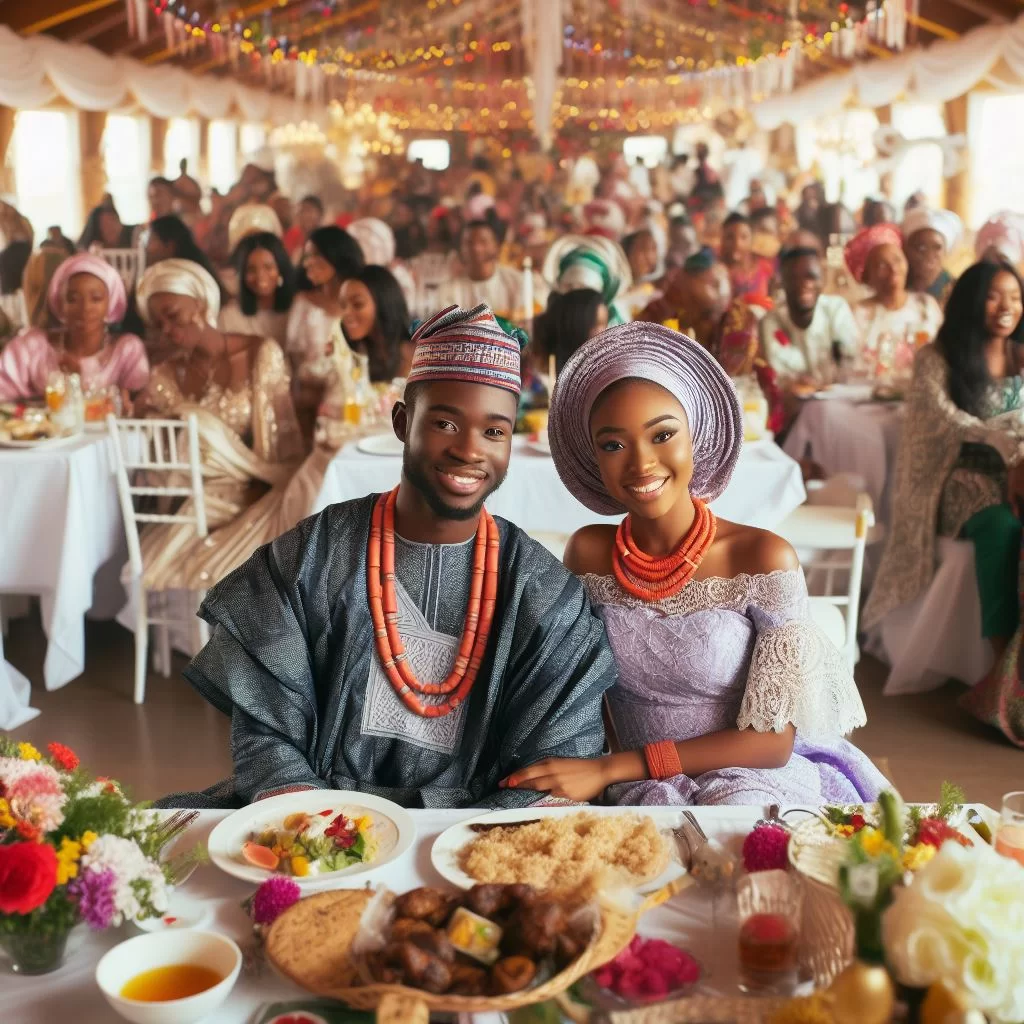
An average mid-range wedding in Nigeria now costs ₦5 million to ₦15 million, covering 150 to 350 guests across both the traditional engagement and the white wedding/reception, according to BizWatch Nigeria’s analysis of wedding spending data.
The figure moves with guest count, city and scale. A Lagos Island or Victoria Island hall, for example, costs far more than a venue on the mainland. Total expenses can therefore sit in any of four tiers:
| Wedding Tier | Guest Count | Estimated Total Budget |
|---|---|---|
| Intimate / Budget | 50 – 120 guests | ₦1.5 million – ₦4.5 million |
| Mid-Range (Standard) | 150 – 350 guests | ₦5 million – ₦15 million |
| Large / High-End | 300 – 500 guests | ₦12 million – ₦35 million |
| Luxury | 500+ guests | ₦40 million and above |
Data tracking Nigerian wedding spending, such as reports by Cowrywise, shows the overall budget usually splits into three phases:
- The Proposal and Court Wedding (about 5%): a ₦75,000 statutory fee for a federal registry, plus optional rings and proposal events
- The Traditional Wedding (about 25%): ₦2 million to ₦4 million, covering bride price, family lists, cultural attire and food
- The White Wedding and Reception (about 70%): ₦4 million to ₦10 million or more, for the main venue, decor, premium catering and entertainment
Cowrywise’s October 2025 report puts the overall average at ₦13 million, a sum it says is enough to buy a new car or make a down payment on a home.
Five items drive most of the bill:
- Catering and drinks. Usually the largest expense, taking up to 40% of the budget. Mid-range caterers charge between ₦8,300 and ₦12,000 per head for food, small chops and soft drinks.
- Venues. Standard event halls cost ₦500,000 to over ₦2 million per day, depending on location. Lagos Island and Victoria Island halls charge significant premiums.
- Outfits and aso-ebi. Custom bridal attire, groom’s suits, traditional fabric and tailoring fees quickly run into hundreds of thousands of naira per outfit.
- Decor and lighting. Simple aesthetics cost around ₦200,000 to ₦500,000, while custom stages and extensive floral installations run between ₦500,000 and ₦2 million.
- Photography and videography. Full-day premium packages usually command ₦200,000 to ₦1.5 million or more.
The costs are not confined to the couple. Event planner Funmi Adisa, founder of Lavish by Endowed Events, told The Guardian Nigeria that a modest 200-guest Lagos wedding can cost between ₦20 million and ₦23 million, well above the mid-range band. Makeup artist Matilda Olagunju, founder of Facesbymo, puts makeup for the traditional and white ceremonies at ₦600,000 to ₦1 million, according to the same report.
The Issues
Four tensions sit beneath the headline numbers.
1. Is a big wedding needed when the money could build a life? The wedding lasts a day. The same sum could fund the start of a household: a house deposit, a car, or the cost of children. Cowrywise advises couples never to spend more than 10% to 15% of their combined annual income on a wedding. Dataphyte reported in March 2025 that a Naija Glam Weddings survey found weddings costing between ₦150,000 and ₦20 million, while most Nigerians earn around ₦100,000 a month. Many are delaying marriage or choosing low-key ceremonies as a result.
2. The pressure is social as much as personal. Rolling Stone Africa notes that social media has raised expectations, because each viral wedding sets a new standard for couples to match. Family expectations and the cost of aso-ebi add to the strain on couples and guests alike.
3. Should couples borrow to marry? The weight of financial guidance says no. BusinessDay reports that financial advisers often warn couples not to break the bank, because people carry unnecessary debt into their new families after borrowing huge sums for weddings they could not afford. The Money Matters with Nimi column on BellaNaija advises that anyone who must borrow should have an imminent inflow of money to repay the loan. The counter-view is that weddings sustain a large vendor economy and express culture and community, as Rolling Stone Africa notes.
4. Does debt strain the marriage? Financial stress is the most cited risk. A marriage that begins with repayments competes with rent, food and, later, children.
What’s Being Said
The wedding market is already shifting. Fashion designer Precious Adeola, who specialises in matching asoebi outfits, told NPR that his bookings have fallen sharply: “Nowadays, we have low-key weddings, so not the high-profile weddings anymore,” said Precious Adeola, Fashion Designer, Lagos.
Newlywed Kemi Olabode, 26, kept her Lagos wedding small and says it has helped since the birth of her son: “Kids are expensive,” said Kemi Olabode, Newlywed, Lagos.
On debt, Dr Abel Damina of Powercity International warned, in remarks reported by Legit.ng, that borrowing for lavish weddings leaves couples paying debts afterwards. He said that where debt exists and food is short: “there will be tension in the house,” said Dr Abel Damina, Pastor, Powercity International.
From the finance side, Stanbic Investment Management Services’ Ghana-based Head of Client Experience urged couples to prioritise financial planning: “It is unwise to begin a marriage burdened by debt,” said Miriam Amissah, Head of Client Experience, Stanbic Investment Management Services.
Not everyone regrets spending big. Zikoko’s 2025 feature on four Nigerian brides found that all four had no regrets about what they spent. On the public side, Al Jazeera reported on August 9, 2026 that Nigeria’s government has been organising mass weddings to help low-income families cope with the cost of marriage, supporting widows, divorcees, orphans and unmarried people. BizWatch Nigeria did not obtain an on-record government comment for this story.
What’s Next
- Now: Cowrywise recommends starting a shared savings plan about 12 months before the wedding, and says deliberate choices, such as weekday weddings, can cut costs by 25% to 30%
- Ongoing: Government-run mass weddings, reported by Al Jazeera in August 2026, remain an option for low-income couples; no end date has been announced
- At the planning stage: Couples should settle a total budget before booking vendors and agree how much, if anything, they are willing to borrow
Bottom Line
The Bottom Line: The real question is not whether Nigerians can afford a grand wedding but what it displaces. A celebration paid for in cash sits comfortably beside a new home, while one funded by debt competes with it for years. Couples who treat the budget as the first joint financial decision of their marriage are likely to have the stronger start.