





Key points
- Nigeria says plans are underway to evacuate citizens willing to leave South Africa following renewed xenophobic tensions and anti-foreigner protests.
- Nigerian authorities raised concerns over alleged harassment, extra-judicial killings and bullying of Nigerian children in South Africa.
- President Bola Ahmed Tinubu has directed Nigerian missions in South Africa to establish a crisis notification unit for distressed citizens.
Main story
The Federal Government has intensified diplomatic engagements with South Africa amid renewed anti-foreigner protests and rising concerns over the safety of Nigerians living in the country.
This followed a telephone conversation between a senior Nigerian government official and Ronald Lamola, South Africa’s Foreign Affairs Minister, who reportedly expressed concerns over Nigeria’s plans to evacuate citizens wishing to return home due to escalating xenophobic tensions.
The Nigerian government maintained that it could not remain passive in the face of what it described as systematic harassment, humiliation and extra-judicial killings of Nigerians residing in South Africa.
Authorities stressed that the evacuation of Nigerians willing to return home had become an immediate priority.
The discussion also focused on anti-migrant protests in Durban, where demonstrations reportedly took place on May 6 under heavy security presence. Although no violence was recorded, Nigerians were advised by diplomatic missions to shut their businesses and remain indoors as a precautionary measure.
Nigeria further raised concerns over the activities and rhetoric of anti-foreigner political groups in South Africa, warning that such actions could endanger the lives and property of Nigerians and potentially strain bilateral relations.
The government also highlighted reports that Nigerian children and children born to Nigerian and South African parents — popularly referred to as “Sougerians” — were allegedly being bullied in schools and told to “return to their country.”
According to Nigerian officials, such actions were unacceptable and capable of causing long-term psychological trauma to affected children.
In response, Ronald Lamola reportedly assured Nigerian authorities that South African institutions recognised their responsibility to protect vulnerable children and were working through educational authorities to discourage discriminatory practices.
Both countries pledged to continue diplomatic efforts aimed at de-escalating tensions.
The issues
The latest development highlights growing concerns over xenophobia and the safety of African migrants in South Africa, where recurring anti-immigrant protests have periodically triggered diplomatic tensions with other African nations.
Nigerian authorities argued that the hostility appeared disproportionately directed at black African migrants, raising questions over whether the phenomenon should more accurately be described as “Afriphobia” rather than xenophobia.
The situation also underscores broader concerns surrounding migration, unemployment, social tensions and law enforcement responses in South Africa.
What’s being said
Nigerian officials said the government remained committed to protecting its citizens abroad and ensuring accountability in cases involving violence against Nigerians.
They called on South African security and justice institutions to take reported cases of extra-judicial killings more seriously and ensure immediate consequences for perpetrators.
The officials also commended Nigerians in both countries for exercising restraint despite growing tensions.
Meanwhile, the South African government, led by Cyril Ramaphosa, has reportedly condemned the prevailing anti-foreigner tensions and pledged to uphold the safety of all residents.
What’s next
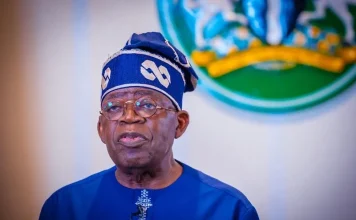
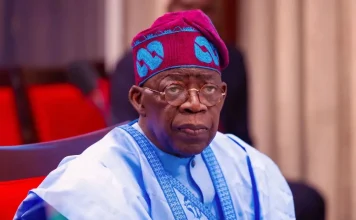
President Bola Ahmed Tinubu has directed Nigerian diplomatic missions in South Africa to immediately establish crisis notification units for Nigerians facing threats or emergencies.
Citizens were also advised to promptly report dangerous situations to South African security agencies while maintaining contact with Nigerian missions.
Diplomatic engagements between both governments are expected to continue as authorities seek to prevent further escalation of tensions.
Bottom line
Nigeria’s planned evacuation measures reflect growing concerns over the safety of its citizens in South Africa amid renewed anti-foreigner protests, with both governments now under pressure to prevent further violence and preserve diplomatic relations.