






Key points
- Nigeria has joined 21 other countries in the Convergence Initiative to align food systems transformation with climate action.
- The initiative supports the country’s National Development Plan 2026–2030 and climate commitments.
- Officials say climate-smart agriculture is essential to improving food security and economic growth.
- The programme aims to strengthen collaboration, evidence-based policymaking and climate resilience.
Main story
Nigeria has joined 21 other countries participating in the Convergence Initiative, a global programme designed to integrate food systems transformation with climate action to improve food security and climate resilience.
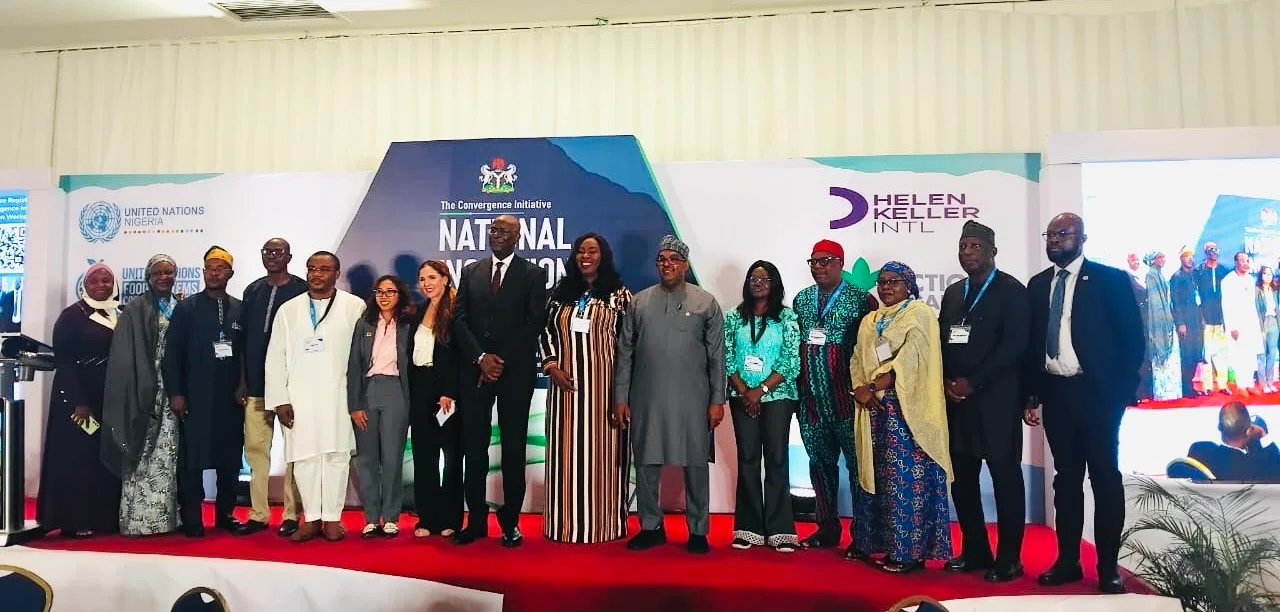
The announcement was made at a two-day National Dialogue in Abuja, where government officials, development partners and other stakeholders discussed strategies for aligning agricultural development with climate objectives.
The Minister of State for Budget and Economic Planning, Dr Doris Uzoka-Anite, said the initiative complements Nigeria’s National Development Plan (NDP) 2026–2030, which identifies food security and climate resilience among its key priorities.
She said the programme would strengthen evidence-based policymaking, encourage collaboration across sectors and promote solutions tailored to Nigeria’s local realities.
Uzoka-Anite noted that Nigeria faces the challenge of feeding a population projected to exceed 250 million by 2030 while responding to the growing effects of climate change on agriculture and the wider economy.
The Minister of State for Agriculture and Food Security, Dr Aliyu Abdullahi, said transforming Nigeria’s food systems requires climate-smart agricultural practices, adding that climate policies must also address how food is produced, processed and consumed.
He said agriculture remains a major pillar of the economy, involving more than 40 million farming households and contributing nearly 40 per cent of Nigeria’s Gross Domestic Product (GDP).
The Permanent Secretary of the Federal Ministry of Budget and Economic Planning, Mrs Deborah Odoh, said agricultural planning could no longer be separated from climate realities, warning that droughts, floods and changing weather patterns were disrupting food production and contributing to rising food prices.
Representing the UN Food Systems Coordination Hub, Lara Blancho Rothe said Nigeria had demonstrated sustained commitment to food systems reform since the 2021 UN Food Systems Summit, with national consultations producing 78 priority actions that now support implementation efforts.
The Convergence Initiative seeks to maximise synergies between food systems transformation and climate action while supporting countries’ efforts to achieve the Sustainable Development Goals (SDGs) and the Paris Climate Agreement targets.
The issues
Climate change continues to threaten agricultural productivity through extreme weather events, while rising food demand places additional pressure on food systems. Integrating climate action into agricultural planning is increasingly viewed as essential to improving food security, reducing food inflation and supporting sustainable economic growth.
What’s being said
“It is about building a nation where no Nigerian goes to bed hungry, where farmers thrive, communities are resilient to climate shocks, and economic growth translates to shared prosperity.” — Doris Uzoka-Anite, Minister of State for Budget and Economic Planning
What’s next
Nigeria will begin implementing the Convergence Initiative through collaboration between government agencies, the United Nations and development partners, with a focus on integrating climate resilience into national food system policies and programmes.
Bottom line
Nigeria’s participation in the Convergence Initiative reflects growing efforts to tackle food insecurity and climate change through coordinated policies that support sustainable agriculture, economic resilience and long-term development.