








Keypoints
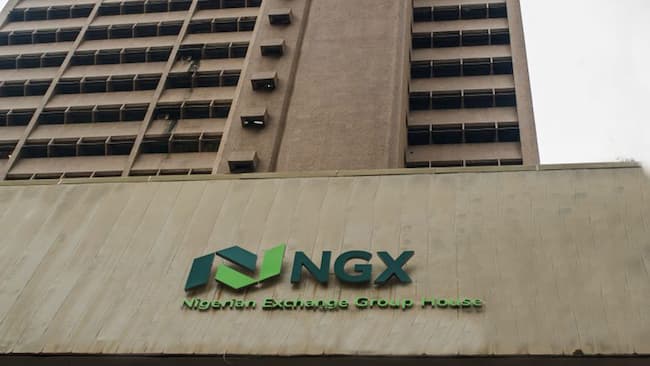
- The Nigerian stock market opened the week on Monday, April 20, 2026, with a ₦609 billion gain, bringing the total market capitalisation to ₦140.435 trillion.
- The All-Share Index (ASI) advanced by 0.44%, closing at 218,113.84 points.
- Banking stocks, particularly mid-tier players like Access Corporation and Fidelity Bank, were the primary drivers of the bullish performance.
- Access Corporation recorded the highest trading volume (91.65 million shares), while Zenith Bank led in value (₦7 billion).
- The Year-to-Date (YTD) return for the exchange surged to 40.16%.
Main Story
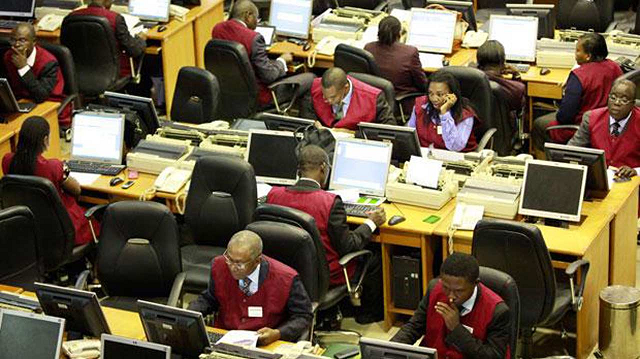
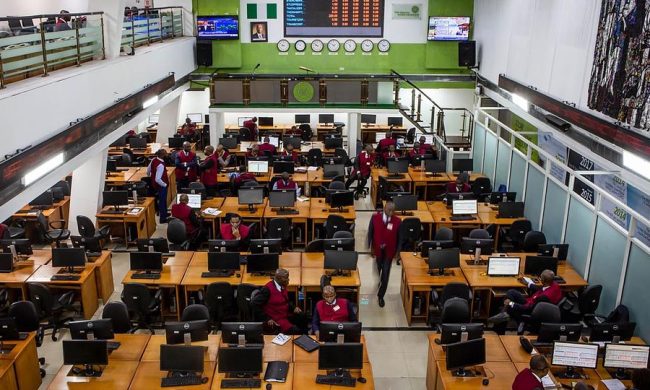
Investors on the Nigerian Exchange (NGX) enjoyed a lucrative start to the week as the market extended its positive momentum. The equity rally was underpinned by strong interest in the financial services sector, with banks leading the charge.
Market analyst David Adonri of Highcap Securities described the session as “extremely bullish,” noting that even long-stagnant stocks like United Bank for Africa (UBA) broke through psychological price barriers, with UBA finally crossing the ₦50 mark.
Despite a 21.79% decline in overall trading activity compared to the previous Friday, the quality of trades remained high. The market breadth closed positive, with 36 stocks gaining value against 35 losers.
Industrial and aviation stocks like NAHCO also saw maximum price appreciation, signaling a broad-based confidence that transcends just the banking sector.
The Issues
The primary challenge is the liquidity-volatility gap; while the banking sector is driving the index higher, the decline in daily trading volume suggests that the rally is being fueled by a smaller pool of high-value transactions. Authorities must solve the problem of market concentration, as a few large-cap banks now wield significant influence over the entire index’s movement.
Furthermore, there is an inflation-adjustment risk; despite the 40.16% YTD return, investors are still calculating whether these gains truly outpace Nigeria’s high inflation environment in real terms. To succeed, the exchange needs to encourage more listings from the manufacturing and tech sectors to diversify the drivers of market growth.
What’s Being Said
- “The banks were extremely bullish and they moved the market today,” stated David Adonri, Vice President of Highcap Securities.
- Market reports from Atlass Portfolios noted that the ASI added over 848 basis points in a single session, reflecting a robust start to the second quarter.
- Analysts at Highcap Securities observed that mid-tier banks are currently witnessing “heightened demand” as investors look for value outside the traditional Tier-1 names.
- Retail investors have expressed excitement over UBA rebounding to cross the ₦50 threshold after a prolonged period of trading in the ₦40 range.
What’s Next
- Market participants are closely watching the Central Bank of Nigeria (CBN) for any policy shifts that might affect banking liquidity in the coming weeks.
- Earnings Season: More Q1 2026 results from listed companies are expected to hit the exchange by late April, which could either sustain or dampen the current rally.
- Technical analysts expect the All-Share Index to test the 220,000-point psychological resistance level if the banking sector maintains its current momentum.
- Increased participation from foreign portfolio investors is anticipated following the recent restoration of Nigeria’s “Frontier Market” status by global index providers.
Bottom Line
The ₦609 billion gain proves that the Nigerian bourse remains a preferred destination for local capital seeking a hedge against inflation. While the banks are currently doing the heavy lifting, the long-term health of the market will depend on whether this “bull run” can spread to the struggling manufacturing and insurance sectors.







 enjoyed a lucrative start to the week as the market extended its positive momentum...)