







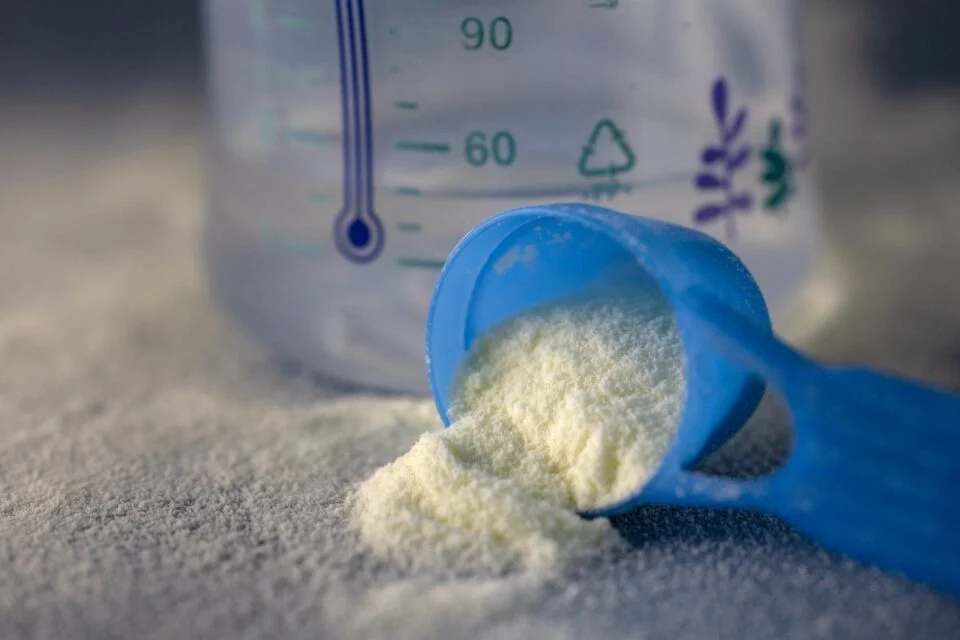
Swiss food giant Nestlé has acknowledged that it waited several days before notifying health authorities after detecting traces of a potentially harmful toxin in its baby milk produced at a factory in the Netherlands.
The company recalled batches of infant formula in December across 16 European countries after routine tests revealed the presence of cereulide a bacterial toxin known to cause diarrhoea and vomiting.
According to a report by French newspaper Le Monde on Friday, Nestlé detected traces of cereulide in late November, nearly 10 days before the first recall was announced. The delay, the report said, was due to the company’s decision to wait for a health-risk analysis before informing regulators.
In a statement published online, Nestlé confirmed that routine checks at its Dutch plant, conducted towards the end of November 2025, detected “very low levels” of cereulide following the installation of new equipment at the factory. The company noted that current regulations do not specify a maximum permissible limit for the toxin.
Nestlé said it immediately halted production at the facility and conducted additional tests. These tests, carried out in early December, confirmed the presence of minute quantities of cereulide in products that were still in the warehouse and had not yet been distributed.
The company stated that it informed Dutch, European and other national authorities on December 10 and subsequently initiated a precautionary recall of all products manufactured since the installation of the new equipment. In total, 25 batches of infant formula were recalled across 16 European countries.
Nestlé has maintained that the recall was prompted by a “quality issue” and said it has found no evidence linking its products to any illness.
Meanwhile, French authorities have opened an investigation following the deaths of two babies in December and January who were believed to have consumed possibly contaminated powdered milk. Nestlé expressed sympathy over the incidents but stressed that “nothing indicates any link between these tragic events in these two instances and the consumption of our products”.
AFP