








Key points
- LPG retailers say global supply disruptions, especially US-Iran tensions, are driving higher cooking gas prices.
- Liquefied Petroleum Gas Retailers Association of Nigeria (LPGAR) says Nigeria cannot isolate itself from global market shocks.
- Stakeholders call for increased investment in refineries and LPG storage infrastructure.
- Some price relief is expected as new shipments and domestic supply enter the market.
- Retailers allege pricing disparities involving some LPG offtakers and retail outlets.
Main Story
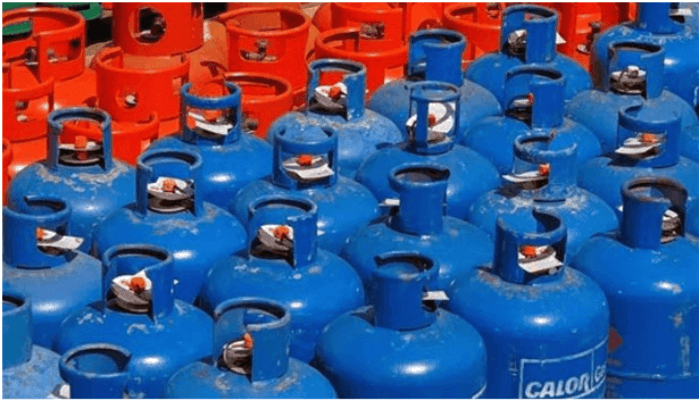
The Liquefied Petroleum Gas Retailers Association of Nigeria (LPGAR) says rising cooking gas prices are being driven largely by global supply disruptions, particularly tensions involving the United States and Iran.
The association’s chairman, Mr Ayobami Olarinoye, made this known on Saturday in Lagos during an interaction with the News Agency of Nigeria (NAN). Olarinoye said developments in the international oil and gas market continue to have direct effects on Nigeria’s LPG pricing and supply stability. He explained that the sector operates within a global framework, making it difficult for Nigeria to fully insulate domestic prices from external shocks.
According to him, disruptions in global supply chains have contributed to recent price increases, affecting consumers across the country. Olarinoye called for stronger government intervention, including increased investment in refineries and expanded LPG production capacity. He also stressed the need for improved storage infrastructure to match rising domestic demand for cooking gas.
He said consumption of LPG in Nigeria has increased significantly, putting additional pressure on supply systems and distribution networks. The association expressed sympathy for Nigerians who have switched to cleaner cooking energy and are now facing higher costs. Olarinoye said price trends are still largely determined by market forces but noted that there are signs of gradual stabilisation as new supplies enter the market.
He pointed to increased product inflows through NLNG allocations and imports as factors that could help ease prices in the coming months. According to him, a recent price reduction by a private refinery has already begun to reflect in the market, though the impact remains limited. Olarinoye also raised concerns over pricing practices within the distribution chain, alleging that some offtakers sell directly to consumers at lower rates than independent retailers.
He said the situation is placing financial pressure on retailers and distorting market margins.
The Issues
- Global supply disruptions affecting LPG prices.
- Rising domestic demand for cooking gas.
- Insufficient refinery output and storage infrastructure.
- Pricing imbalances within the LPG distribution chain.
- Market volatility affecting retail stability.
What’s Being Said
- Ayobami Olarinoye said: “The oil and gas sector operates within a global market. It is difficult to isolate our LPG from global developments.”
- He said: “International events have disrupted supply chains, making it difficult for Nigeria to avoid price impacts.”
- Olarinoye said: “LPGAR is sympathetic to Nigerians who embraced cooking gas and now face rising prices.”
- He said: “The consumption pattern for LPG has changed significantly and increased substantially. We need more storage capacity and related facilities.”
- He added: “Presently, the price is gradually coming down, although the reduction is marginal.”
What’s Next
- Stakeholders expect gradual price stabilisation as new LPG shipments enter the market.
- Government is being urged to expand investment in refineries and storage infrastructure.
- Regulatory attention may increase around pricing practices in the LPG distribution chain.
- Import and NLNG supply flows are expected to influence short-term market trends.
Bottom Line
LPG retailers say global tensions and supply disruptions are driving cooking gas price increases in Nigeria, while gradual improvements in supply could help stabilise the market in the coming months.








 says rising cooking gas prices are being driven largely by ...)