Key Points
- Lagos targets 200MW to 400MW of state-procured electricity capacity by 2030.
- State plans to expand its fibre network from 3,000km to 6,000km.
- Government seeks to attract technology companies, data centres and regional headquarters.
Main Story
Lagos State is targeting up to 400 megawatts of state-procured electricity and a 6,000-kilometre fibre network as it strengthens infrastructure for digital businesses and technology investment.
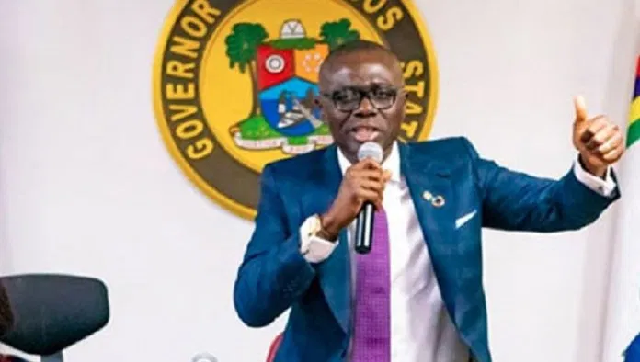
Gov. Babajide Sanwo-Olu disclosed this on Wednesday at the opening of the two-day GITEX Nigeria Tech Expo and Future Economy Conference 2026 in Lagos.
The governor, represented by his Deputy, Dr Obafemi Hamzat, said reliable electricity, extensive fibre infrastructure and clear regulations were necessary to sustain Lagos’ digital growth.
“Power remains our greatest constraint on productivity, and I will be direct about this: power in Lagos is not solved,” Sanwo-Olu said.
He said the state had enacted the Lagos State Electricity Law and established the Lagos State Electricity Regulatory Commission to strengthen electricity regulation.
Lagos has also licensed independent operators in off-grid generation, embedded generation, independent distribution, metering and mini-grids, while signing power purchase agreements with independent power producers to increase electricity supply.
Sanwo-Olu said the state was working to raise state-procured electricity capacity from less than 60MW to between 200MW and 400MW.
The government is targeting 97.5 per cent electricity availability by 2030 and plans to reduce market losses to below 10 per cent. It also intends to establish 24-hour electricity franchise zones and achieve full metering.
“An investor who is told the truth about a market is an investor who stays in it,” he said.
The Issues
Lagos’ digital economy depends on infrastructure that can support businesses beyond internet access alone.
The state’s electricity targets are aimed at addressing supply constraints, while the proposed fibre expansion is intended to improve broadband access and reduce the cost of network deployment for technology companies.
Sanwo-Olu said Lagos had deployed about 3,000km of fibre between 2019 and 2025 and was working towards a unified 6,000km network.
Under the state’s open-access duct system and “dig once” policy, telecommunications operators would be able to lease existing duct capacity instead of repeatedly excavating roads to extend their networks.
The approach is also intended to allow new technology companies to access connectivity without bearing the full cost of building fibre infrastructure.
What’s Being Said
“With Nigeria’s growing pool of technology talent and innovative enterprises, the initiative is expected to help to convert digital innovation into commercial value, strengthen regional supply chains and accelerate the emergence of a truly integrated African digital market.” – Wamkele Mene, Secretary-General, AfCFTA Secretariat.
“Lagos had moved beyond potential, with its startup ecosystem now highly rated and ranked first in Africa for Artificial Intelligence activities, creativity and funding.” – Trixie LohMirmand, Chief Executive Officer, GITEX Global.
“The next challenge is converting the momentum into global competitiveness by connecting talent to markets, startups to customers, innovation to capital and Nigerian ambition to global markets.” – Trixie LohMirmand, Chief Executive Officer, GITEX Global.
What’s Next
The state plans to extend its duct network along critical economic corridors and continue attracting investment through the Lagos State Infrastructure Management Agency.
It is also redesigning government services through the Lagos State Digital Service Platform, including a review of how files move across ministries, departments and agencies.
Sanwo-Olu said the Lagos Innovation Bill and a dedicated innovation fund would strengthen support for research commercialisation and incubation.
He urged technology companies to establish engineering operations, data centres, regional headquarters and training pipelines in Lagos, while positioning the state as a launchpad into African and global markets.
Bottom Line
Lagos is combining electricity reform with expanded fibre infrastructure as it seeks to support a larger digital economy. The state is targeting up to 400MW of procured power capacity and a 6,000km fibre network while seeking more technology investment.