







KEY POINTS
- L-PRES says its interventions have reduced farmer-herder clashes in Kaduna State by 70 per cent.
- The project has introduced livestock routes, water facilities and pasture development to reduce competition over land and grazing resources.
- About 1,700 of the 2,500 animals earmarked for artificial insemination have been reached across the state.
MAIN STORY
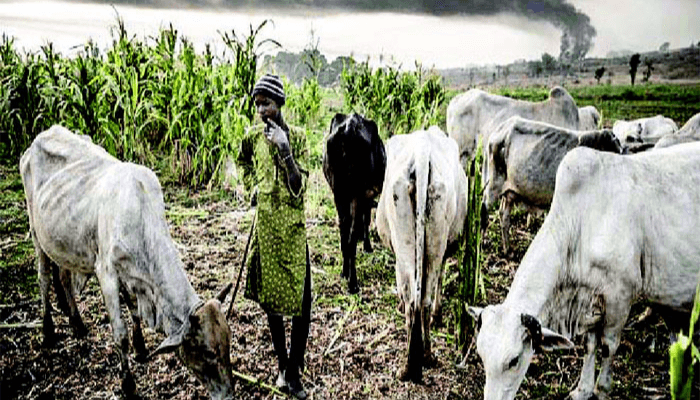
The Livestock Productivity and Resilience Support (L-PRES) Project says its interventions have reduced farmer-herder clashes in Kaduna State by 70 per cent through measures aimed at easing competition over land, water and pasture.
Dr Musa Abba, Head of the Conflict Resolution Component and Conflict Safeguard Officer of L-PRES, disclosed this in an interview with the News Agency of Nigeria (NAN) on Monday in Kaduna.
Abba said the project had invested in cattle stock routes and developed a seasonal calendar to regulate livestock movement and minimise encroachment on farmlands.
He said 19 communities were selected for a pilot sedentary livestock programme designed to improve animal husbandry and reduce pressure on farming communities.
The communities received solar power facilities, boreholes, drinking troughs, tricycles, milking cans and milking sheds. The project also constructed cattle dips to improve livestock hygiene and support disease prevention.
According to Abba, the project distributed 5,000 solar-powered milking machines to 500 cooperatives, with each cooperative comprising 10 beneficiaries.
THE ISSUES
Competition over land, water and grazing resources remains a major source of farmer-herder disputes. L-PRES is addressing these pressures through livestock infrastructure and support for alternative feeding arrangements.
The project has supplied livestock farmers with chopper machines to process crop residues, including maize and soya beans, while molasses is being provided to improve animal feeding.
Abba said tricycles would help transport milk for processing and move crop residues to designated feeding areas. Solar-powered boreholes and drinking troughs have also been provided to some livestock settlements outside the 19 pilot communities.
The project is also working to improve livestock breeding. Of the 2,500 animals earmarked for artificial insemination, about 1,700 had been reached across Kaduna State.
Poultry farmers have also received starter packs containing day-old chicks, seven bags of feed and glucose to support their businesses.
WHAT’S NEXT
Abba said L-PRES planned to identify and clear encroached cattle stock routes, install boundary markers and establish resting points to regulate livestock movement.
A proposal for additional financing has also been submitted to develop 25 kilometres of pasture along a primary cattle stock route, with development planned at five-kilometre intervals.
The proposed pasture would provide herders with access to feed along designated routes and reduce the need to move cattle into farmlands in search of grazing.
Pasture is also being developed in selected grazing reserves in Damo, Kagarko, Kachia and Birnin Gwari. Abba said 30 hectares had been earmarked for pasture development, while another 20 hectares would be used for seed multiplication.
The project has implemented interventions in 22 local government areas, although activities in Jaba have been suspended due to unresolved challenges.
L-PRES has also constructed abattoirs and slaughter slabs, with plans to install bio-digesters and incinerators to improve sanitation and waste management.
Abba said the interventions followed the One Health approach, which recognises the links between animal, human and environmental health. He added that regular engagements with farmers and herders, including visits to project sites, had helped identify grievances and address sources of conflict.
BOTTOM LINE
L-PRES is combining livestock infrastructure, improved animal feeding and regulated grazing routes to address some of the resource pressures behind farmer-herder clashes in Kaduna. The project says these measures have reduced conflicts by 70 per cent, while further route clearance and pasture development are planned.




 Project says its interventions have reduced farmer-herder clashes in ...)