









Key points
- Experts emphasise innovation and knowledge as drivers of Africa’s economic growth.
- Collaboration among government, academia, and private sector identified as critical.
- Youth population and digital evolution seen as major assets for transformation.
Main story
The President of African University of Science and Technology (AUST), Prof. Peter Onwualu, has stressed that innovation, ideas, and knowledge must form the foundation of Africa’s economic transformation.
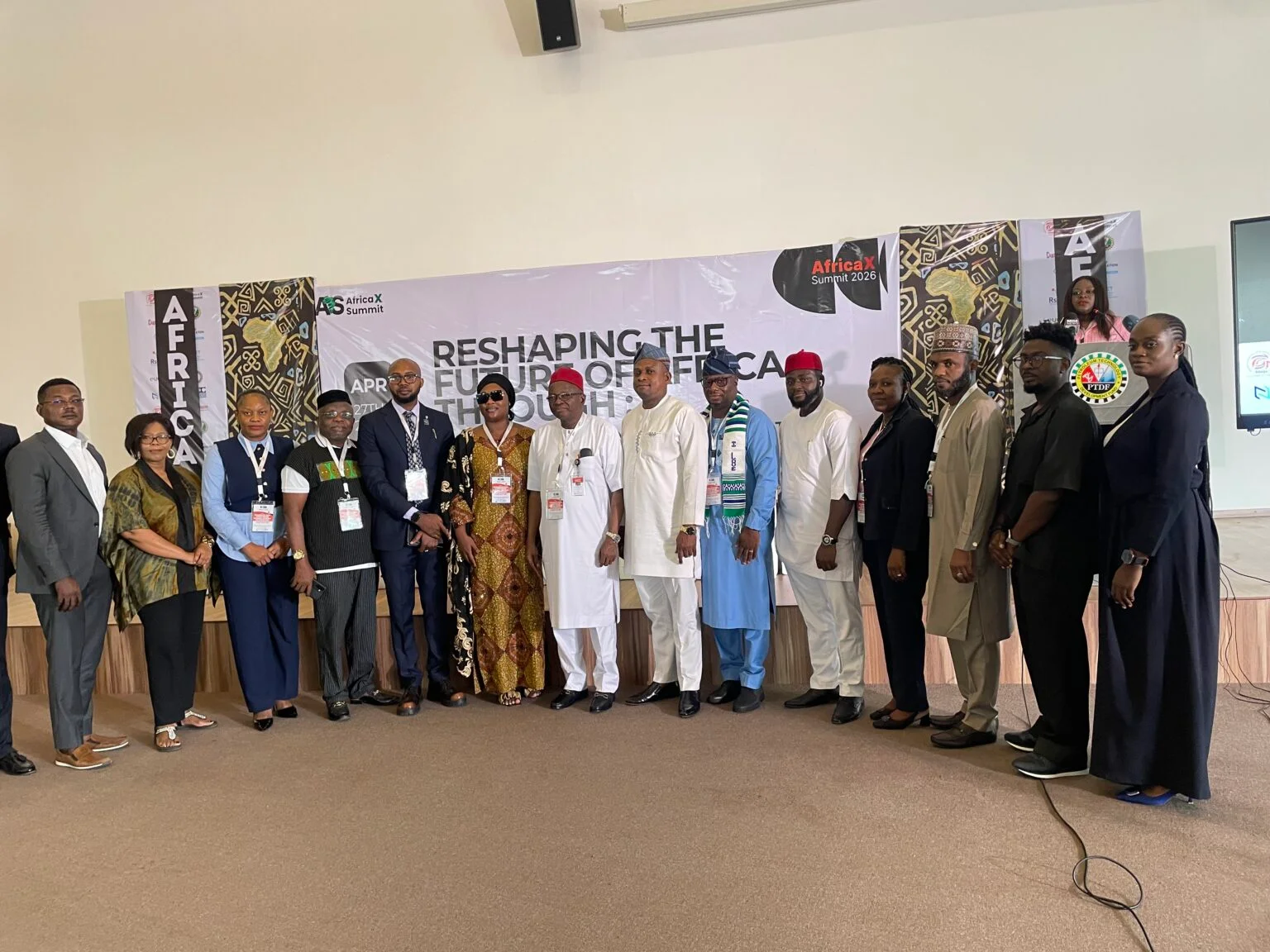
Onwualu made this assertion on Monday at the opening of the AfricaX Summit held in Abuja, themed “Reshaping the Future of Africa through Innovation, Investment and Collaboration.”
He noted that while Africa possesses vast economic potential, unlocking it requires deliberate strategies, forward-thinking policies, and a culture of innovation embraced across institutions, industries, and society.
According to him, innovation involves viewing challenges as opportunities for development, adding that the continent is already witnessing a shift from traditional economic models to knowledge-driven systems.
He cited the growing impact of sectors such as financial technology, agricultural technology, and health technology in expanding financial inclusion, improving food security, and enhancing healthcare access.
Onwualu further highlighted the role of education as a cornerstone of sustainable development, stressing the need to equip students with critical thinking skills and the capacity to solve complex problems.
He pointed to AUST’s Inspired Innovation Hub as a model for nurturing creativity, entrepreneurship, and practical problem-solving among students.
The issues
Africa continues to grapple with structural challenges, including climate change, inequality, and infrastructure deficits, which have hindered economic progress.
Additionally, reliance on imported development models that do not align with local realities has limited the effectiveness of policy interventions across the continent.
There is also a persistent gap between academic training and industry needs, affecting the capacity of graduates to drive innovation and economic growth.
What’s being said
Onwualu emphasised that innovation ecosystems must be deliberately built to support creativity, experimentation, and collaboration among academia, industry, and government.
He called on governments to create enabling environments through supportive policies and investments, while urging the private sector to actively fund and scale innovative solutions.
Similarly, Chairman of the summit’s organising committee, Kingsley Ogwudu, noted that Africa’s youthful population, natural resources, and expanding digital landscape present significant opportunities for transformation.
Ogwudu, however, warned that challenges such as climate change and inequality must be addressed through innovation-driven solutions and policy reforms.
He added that attracting both domestic and international investment aligned with Africa’s long-term development goals would be critical to achieving sustainable growth.
What’s next
Stakeholders at the summit are expected to explore actionable strategies for strengthening innovation ecosystems, enhancing investment flows, and fostering cross-sector collaboration.
There are also calls for reforms in education systems to align curricula with emerging technologies and industry demands, as well as policies that encourage localised innovation.
Bottom line
Experts agree that Africa’s economic future hinges on its ability to harness innovation, invest in human capital, and build collaborative ecosystems capable of transforming ideas into sustainable growth and development.





, Prof. Peter Onwualu, has stressed that innovation, ideas, and knowledge...)