









Key points
- ICS Nigeria says Artificial Intelligence is now central to modern surgical practice and medical training.
- Surgeons are encouraged to adopt AI to improve diagnosis, procedures and post-operative care.
- The body links AI adoption to improved healthcare delivery amid migration of medical professionals.
- Experts call for ethical use of AI and development of locally relevant medical datasets.
- Concerns raised over burnout, poor welfare and infrastructure gaps in Nigeria’s health sector.
Main Story
The International College of Surgeons, Nigeria Section (ICS-NG), has urged healthcare professionals to embrace Artificial Intelligence (AI) to improve surgical training and healthcare delivery in the country.
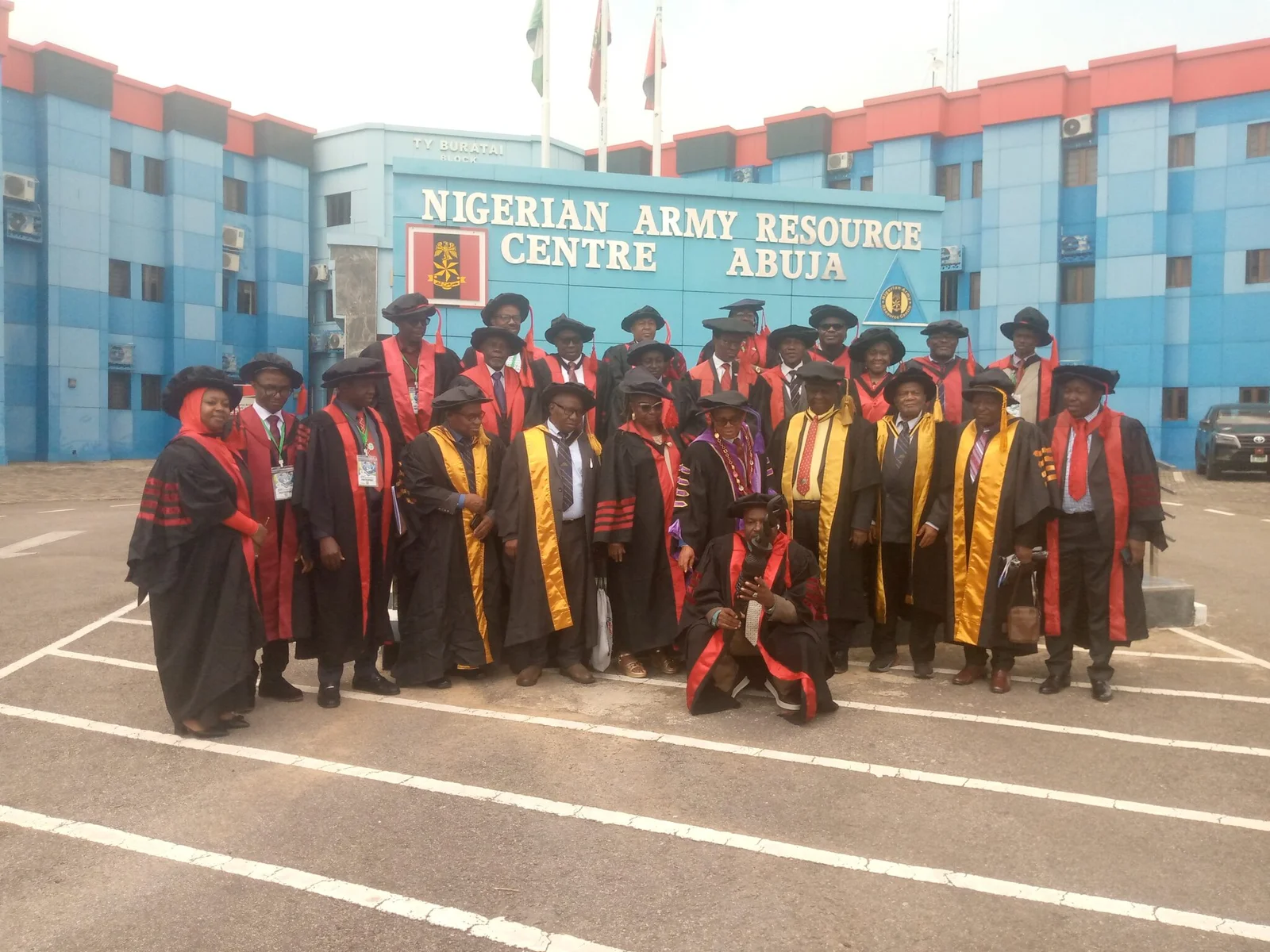
The President of ICS-NG, Prof. Bernard Jiburum, made the call at the college’s 59th Annual General Meeting and Scientific Conference in Abuja, noting that AI has become an essential part of modern surgical practice globally. He said the technology is particularly important for Nigeria, where the migration of skilled health professionals continues to strain the health system. According to him, AI provides opportunities for continuous learning, better training access and improved patient outcomes.
He said the conference theme, “Robotic Surgery: Role of Innovations and Technology in Global Surgery Trends and AI in Global Surgery Evolution,” reflects the growing importance of technology in medicine. A sub-theme, “Emotional Intelligence and Psychosocial Aspects of Surgical Practice in a Global Community,” also highlights the human side of medical practice. Jiburum said AI is already being used in diagnosis, surgical procedures, training and post-operative care.
“In all aspects of surgery, AI is improving training, access to training and evaluation. We are using it to train better and to improve healthcare delivery,” he said.
He also raised concerns about burnout among surgeons due to manpower shortages, poor facilities and low remuneration, urging government to address welfare challenges affecting healthcare workers.Consultant orthopaedic surgeon, Dr Ityo-Aker Kenneth, also called for wider adoption of AI, stressing the need for ethical use and adaptation to local realities.
He noted that most AI systems used in Nigeria are developed abroad and may not reflect local health conditions.
“We need to develop our own algorithms and feed local data into AI systems so they can provide solutions that address our peculiar needs,” he said.
Former ICS-NG President, Prof. Akanimo Essiet, called for stronger government support for healthcare institutions and professional bodies to improve service delivery and training. President-Elect, Dr Grace Nwana, urged improved welfare, better equipment and stronger institutional support for healthcare workers. She said adequate infrastructure and training opportunities are essential for delivering quality healthcare services.
The Issues
- Slow adoption of Artificial Intelligence in Nigeria’s healthcare system.
- Shortage of medical professionals due to migration.
- Burnout and poor welfare conditions for surgeons and trainees.
- Lack of locally developed AI datasets and algorithms.
- Weak healthcare infrastructure and limited training resources.
What’s Being Said
- ICS-NG President, Prof. Bernard Jiburum, said: “In all aspects of surgery, AI is improving training, access to training and evaluation. We are using it to train better and to improve healthcare delivery.”
- Consultant orthopaedic surgeon, Dr Ityo-Aker Kenneth, said: “We need to develop our own algorithms and feed local data into AI systems so they can provide solutions that address our peculiar needs.”
- Former ICS-NG President, Prof. Akanimo Essiet, called for stronger government support to improve healthcare delivery and professional development.
- President-Elect, Dr Grace Nwana, said healthcare workers perform better “when they have the necessary infrastructure, equipment, educational opportunities and support systems.”
What’s Next
- Wider integration of AI tools into surgical training and hospital systems.
- Push for development of Nigeria-specific medical AI datasets and systems.
- Calls for improved healthcare funding and worker welfare reforms.
- Continued professional training through ICS-NG programmes and conferences.
Bottom Line
AI is increasingly being positioned as a critical tool for strengthening Nigeria’s surgical capacity, but experts warn that infrastructure gaps, welfare issues and lack of local data must be addressed for its full impact to be realised.





, has urged healthcare professionals to embrace ...)