





By Boluwatife Oshadiya | August 21, 2026
Key Points
- Hyundai unveils the next-generation Tucson in South Korea with a larger, more upright design
- New SUV adopts full-width lighting, boxier fender flares and an upscale interior inspired by larger Hyundai models
- North American versions are expected to follow as 2027 models, with gasoline, hybrid and plug-in hybrid options likely
Main Story
Hyundai has unveiled the next-generation Tucson in South Korea, introducing a more upright and boxier design as the automaker prepares a new generation of its compact SUV for global markets.
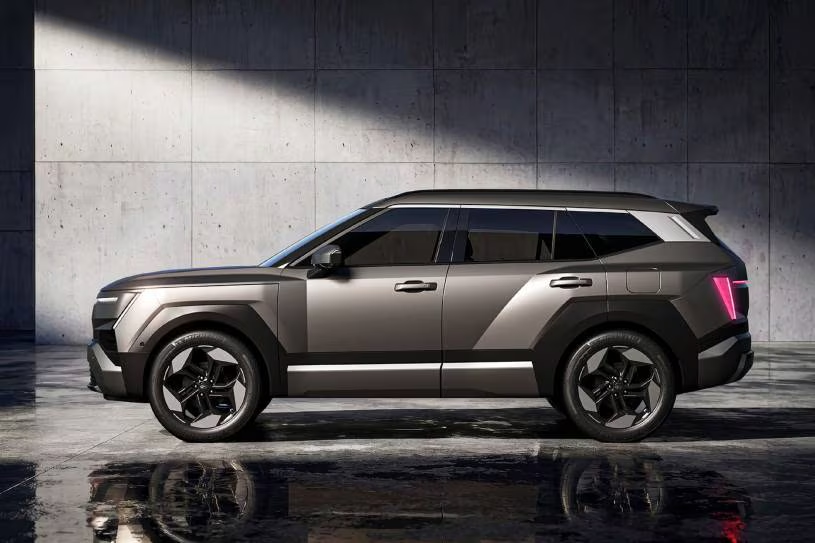
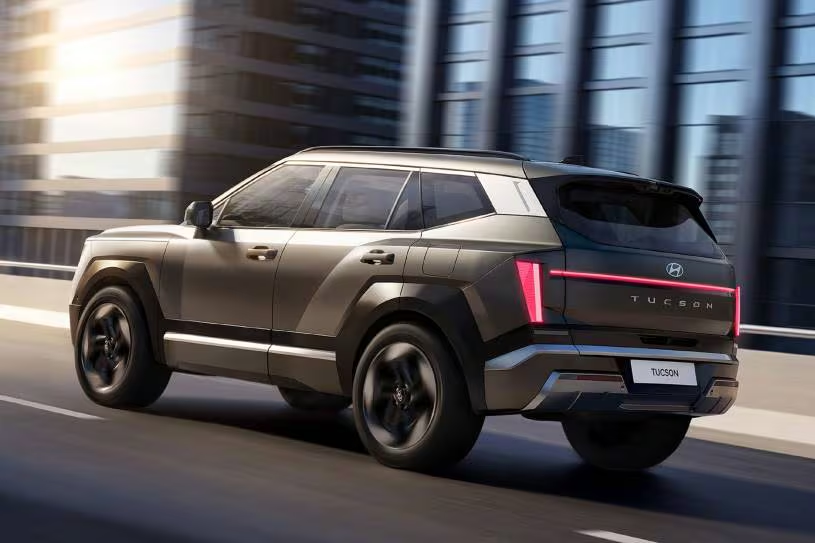
The redesigned Tucson moves away from the softer styling of the current model, adopting a wider visual stance, pronounced fender flares and full-width lighting elements at the front and rear. The design direction follows the more rugged styling Hyundai has introduced on newer SUVs, including the Santa Fe.
The front end features slim, angular headlights integrated into a broader lighting treatment, while the doors carry more defined surfacing. The overall shape gives the Tucson a larger and more substantial appearance despite remaining within the compact SUV segment.
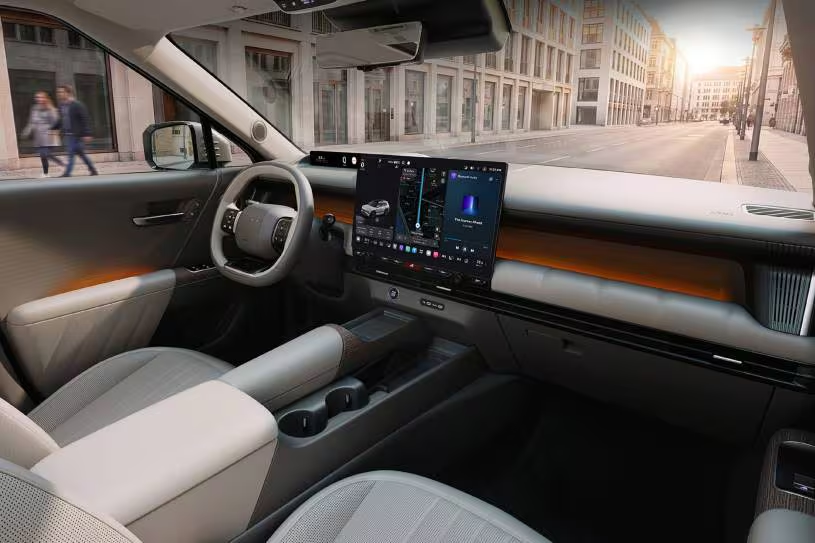
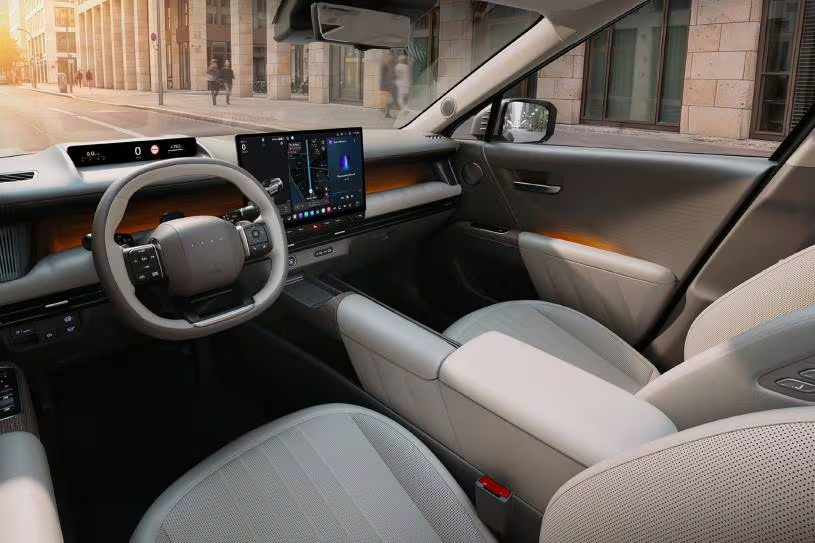
Inside, Hyundai has adopted a predominantly horizontal dashboard layout, with design cues drawn from the larger Ioniq 9 electric SUV. The cabin features a large central infotainment display, fewer physical controls and materials that give the interior a more premium appearance.
Hyundai has not yet released the complete technical specification for the new Tucson. However, the company had previously confirmed that the all-new compact SUV would launch in South Korea in 2026.
In its March 2026 letter to shareholders, Hyundai President and Chief Executive Officer José Muñoz said, “In Korea, IONIQ 9, Sonata, and updated IONIQ 6 have driven strong performance, and this year we are launching the all-new Tucson compact SUV and all-new Elantra sedan.” José Muñoz, President and Chief Executive Officer, Hyundai Motor Company.
The Tucson is a strategically important model for Hyundai, particularly in North America. The current model has been one of the company’s strongest-selling vehicles in the United States, increasing the significance of the redesign as Hyundai expands its SUV and electrified vehicle portfolio.
What’s Being Said
Hyundai has positioned the new Tucson launch within a broader global product strategy that is tailored to individual markets rather than built around a single specification for every region. Muñoz said the company would introduce the all-new Tucson in South Korea as part of its 2026 product offensive.
The latest design reveal shows Hyundai moving the Tucson closer visually to its larger SUVs, particularly through its upright proportions, wider stance and more pronounced bodywork. The company has yet to publish full technical details for the newly revealed model.
What’s Next
- Hyundai is expected to provide further technical and powertrain information as the new Tucson moves toward market launch
- North American versions are expected to follow for the 2027 model year, although detailed market-specific specifications and timing have yet to be announced
- Gasoline, hybrid and plug-in hybrid versions are expected to remain central to the Tucson range, based on the model’s existing powertrain strategy and Hyundai’s broader approach to offering multiple powertrain options
Bottom Line
The Bottom Line: Hyundai is using the Tucson redesign to give one of its key SUVs a more commanding identity while bringing its styling closer to the company’s larger and newer models. The success of the new design will depend not only on its appearance but also on how Hyundai balances conventional and electrified powertrains across major markets.