





Key points
- Nasarawa State Governor Abdullahi Sule stated that Nigeria has enough domestic capital to close its infrastructure deficit through transparent investment structures.
- Sule cited the high investor interest in private enterprises like the Dangote Refinery as evidence of available liquidity within the capital market.
- Nasarawa State’s Internally Generated Revenue (IGR) increased from N7 billion in 2019 to N36 billion in 2026.
- Experts at the 2026 Infrastructure Dialogue estimated Nigeria’s total infrastructure deficit at 30.1 trillion dollars.
- The dialogue emphasized a shift toward private sector financing for economic infrastructure like roads and mining corridors.
Main Story
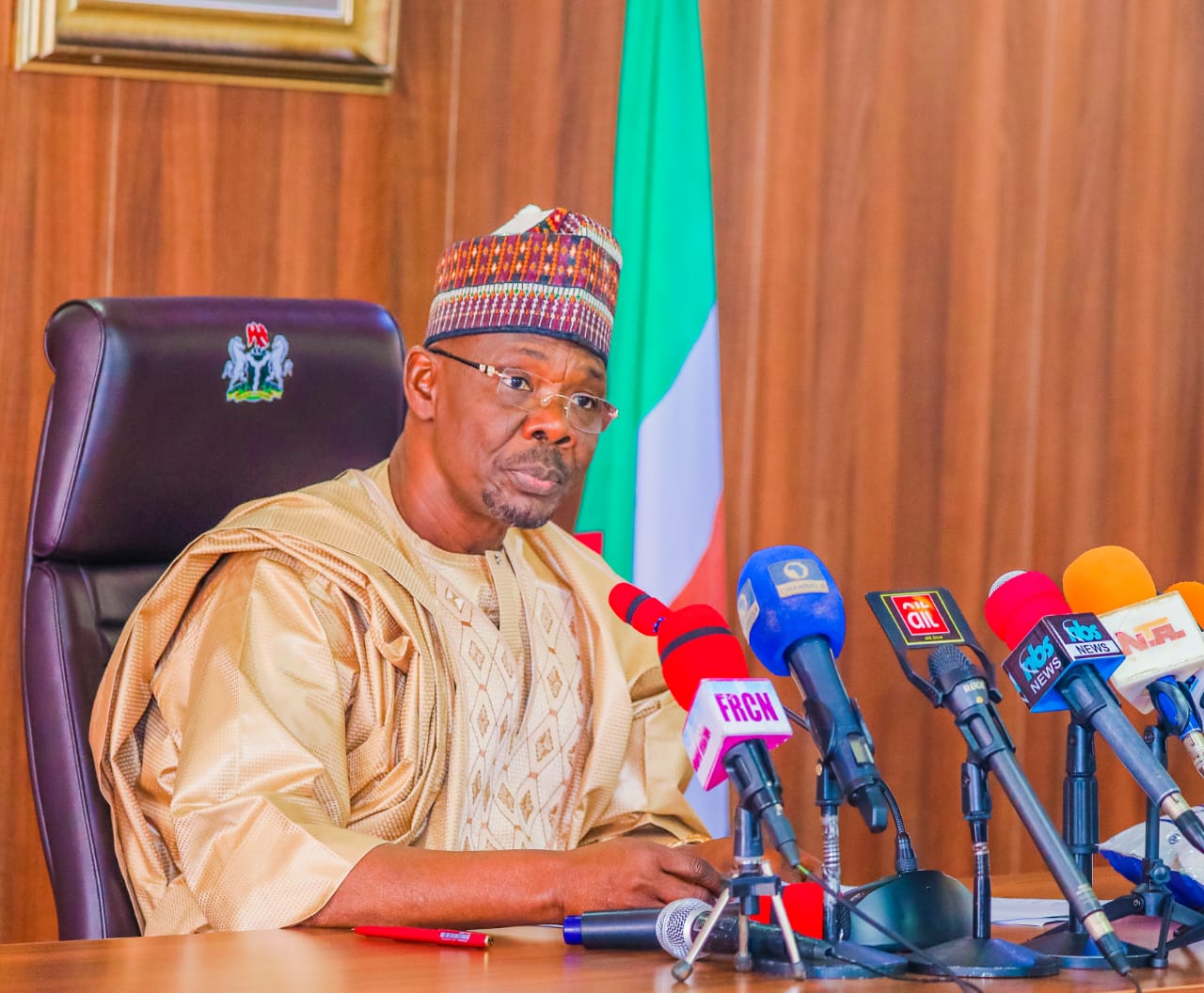
The Governor of Nasarawa State, Abdullahi Sule, says Nigeria has sufficient domestic liquidity to close its infrastructure deficit if transparent structures are put in place to attract and secure investments.
Sule made this known on Thursday in Abuja while delivering his keynote address during the 2026 Infrastructure Dialogue.
Drawing from his experience as former Group Managing Director of Dangote Refinery, Sule said the high level of investor interest in the private sector was evidence that substantial capital was available within Nigeria. He noted that if a 20 billion dollar enterprise were to sell a 30 per cent stake, it would likely be oversubscribed by domestic banks and hedge funds.
Sule stated that his administration transformed Nasarawa from a civil service economy to an industrial hub by focusing on transparency and blocking leakages. He highlighted that an executive order mandating solid mineral firms to process raw materials within the state has attracted large lithium processing plants.
According to the Governor, the state avoided foreign loans due to exchange rate risks and instead grew its annual IGR from N7 billion to N36 billion. Earlier, Dr Onuoha Nnachi, Managing Partner of Deutsche Partners Holdings, noted that 62 per cent of Nigeria’s 30.1 trillion dollar deficit is in economic infrastructure, which is commercially viable for private sector funding.
The Issues
- Nigeria’s massive 30.1 trillion dollar infrastructure deficit remains too large for government budgets, necessitating a transition to private capital for projects that can pay for themselves.
- Foreign exchange risks associated with international loans make domestic liquidity a more sustainable option for state and federal development projects.
- Security remains a primary concern for long-term investments, with the Nigeria Police Force shifting toward technology-driven surveillance to protect critical corridors from vandalism.
What’s Being Said
- “Nigeria has so much money. The easiest way to know is to look at the Dangote Refinery,” said Governor Abdullahi Sule.
- “If they decide to sell 30 per cent of a 20-billion-dollar enterprise to the capital market, that six billion dollars will be oversubscribed at least three times by PENCOM, banks and hedge funds,” Sule added.
- “Budgetary provisions of the federal and state governments cannot fund this gap,” stated Dr Onuoha Nnachi.
- “We must allow government to focus on social infrastructure such as schools and hospitals, while the private sector drives economic infrastructure,” Nnachi emphasized.
What’s Next
- Nasarawa State will continue expanding its infrastructure fund, which is supported by legislation to commit a portion of state revenue to long-term development.
- More state governments are expected to explore executive orders requiring local processing of raw materials to boost industrialization and IGR.
- The federal government may see increased pressure to create the “transparent structures” requested by governors to facilitate more Public-Private Partnerships in economic infrastructure.
Bottom Line
Governor Sule argues that Nigeria’s infrastructure crisis is not a lack of funds, but a lack of transparency and trust, suggesting that domestic capital markets are ready to fill the 30.1 trillion dollar gap if given the right environment.