





Key points
- IEA, IMF, World Bank and WTO call for stronger global cooperation to manage the economic effects of the Middle East conflict.
- The institutions say the global economy has remained resilient, but impacts on energy, trade and inflation remain uneven.
- They urge renewed efforts to reopen the Strait of Hormuz and safeguard critical shipping routes.
- The organisations pledge continued support for vulnerable countries and close monitoring of global developments.
Main story
The heads of four major international institutions have called for sustained global cooperation to cushion the economic, energy and trade disruptions caused by the ongoing conflict in the Middle East, warning that uncertainty continues to threaten global growth and price stability.
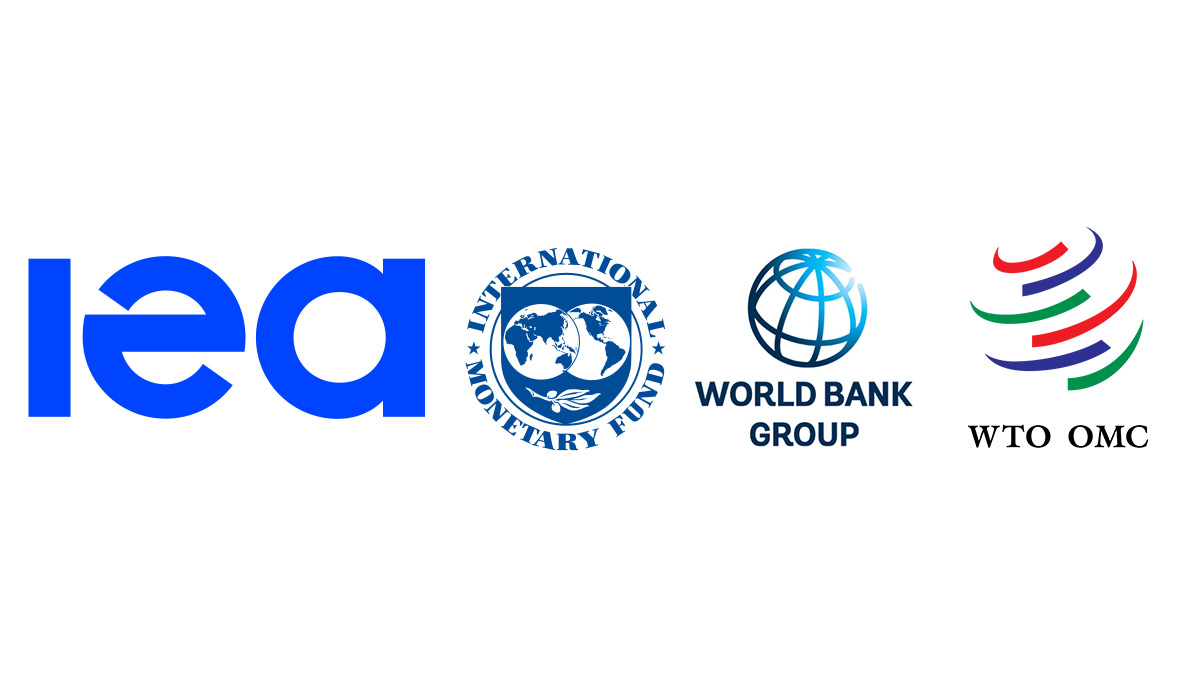
The appeal followed a meeting of the high-level coordination group comprising the International Energy Agency (IEA), International Monetary Fund (IMF), World Bank Group and World Trade Organization (WTO), which was established in April to coordinate responses to the conflict’s global economic consequences.
In a joint statement issued after the meeting, the organisations said they reviewed recent developments in energy markets, global trade and the broader economy, while assessing the challenges facing countries most vulnerable to the crisis.
They noted that although the global economy has largely withstood the shock from the conflict, the effects have varied significantly across regions, with some countries experiencing weaker economic growth, rising inflation and disruptions to energy supplies and commodity markets.
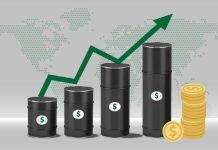
The institutions said recent declines in fuel and fertiliser prices provided some relief compared with conditions observed during their previous meeting in June. However, they warned that ongoing uncertainty and continued pressure on energy markets and international trade routes could prolong the economic fallout.
They also stressed the importance of restoring normal navigation through the Strait of Hormuz, describing the waterway as critical to global energy supplies and international commerce.
Beyond addressing immediate risks, the organisations urged governments and development partners to strengthen efforts aimed at improving energy and food security, supporting employment, upgrading port infrastructure, facilitating trade and building greater resilience against future shocks.
The agencies reaffirmed their commitment to working together as the situation evolves, pledging continued support for affected countries through coordinated policy responses and technical assistance.
The issues
The conflict in the Middle East has heightened concerns over global energy security because of its potential impact on oil and gas exports through the Strait of Hormuz, one of the world’s busiest energy shipping routes. Although commodity prices have eased in recent weeks, international institutions warn that prolonged disruptions could weaken economic growth, fuel inflation and threaten food and energy security, particularly in vulnerable economies.
What’s being said
“The global economy has been broadly resilient to the shock from the war in the Middle East, even as some economies have experienced a slowdown in growth and an uptick in inflation.” — Joint statement by the IEA, IMF, World Bank Group and WTO
“We will strengthen our readiness to act further if needed and will continue adapting our support to countries as the situation evolves.” — Joint statement by the IEA, IMF, World Bank Group and WTO
What’s next
The four institutions will continue monitoring developments in global energy, trade and financial markets while coordinating support for countries most affected by the conflict and preparing additional measures should conditions deteriorate.
Bottom line
The world’s leading economic and energy institutions say the Middle East conflict has exposed the importance of coordinated global action to protect energy supplies, stabilise trade and support economies facing the greatest risks.