



By Boluwatife Oshadiya | June 8 2026
Key Points
- Federal Government says it has processed over ₦700 billion in verified contractor payments in recent months
- More than 1,240 contractors across MDAs have been approved for payment following a verification exercise
- About ₦436.6 billion was disbursed in May alone as authorities accelerate efforts to clear inherited obligations
Main Story
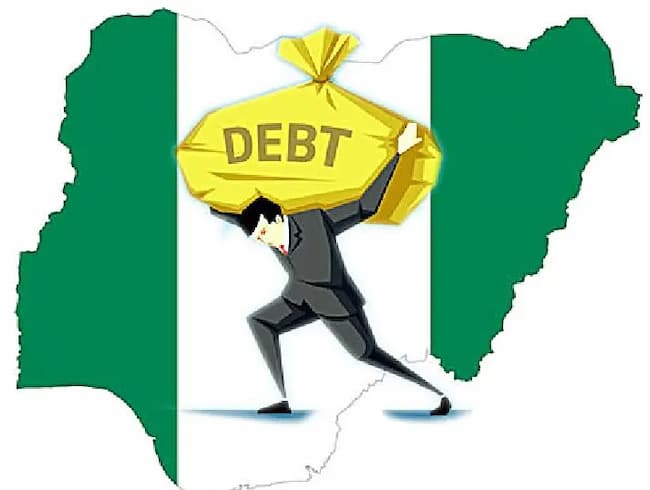
The Federal Government has processed more than ₦700 billion in verified debts owed to local contractors, including ₦436.6 billion paid out in May, as part of efforts to clear longstanding obligations and inject liquidity into the economy.
The disclosure was made by the Federal Ministry of Finance in a statement issued by its Director of Information and Public Relations, Efe Ovuakporie. According to the ministry, payments have been approved for over 1,240 contractors across Ministries, Departments and Agencies (MDAs) following a comprehensive verification and reconciliation exercise.
The government said contractors with validated claims of ₦100 million or less were prioritised in the latest round of disbursements, a move aimed at supporting indigenous businesses and small and medium-sized enterprises that have faced cash flow constraints due to delayed payments.
The ministry noted that the release of funds would enable affected contractors to return to project sites, settle outstanding obligations to suppliers, pay workers and sustain ongoing operations.
The latest payments form part of the administration’s broader strategy to resolve inherited liabilities while maintaining fiscal discipline. Authorities believe the approach will improve confidence among contractors and service providers working with government agencies while accelerating the completion of infrastructure and public service projects.
The development comes as the Federal Government continues implementing reforms aimed at strengthening public financial management and improving budget execution. In the 2026 Appropriation Bill, the government earmarked approximately ₦1.7 trillion to settle outstanding obligations linked to capital projects executed in previous years.
The Issues
The contractor debt backlog has remained a major challenge for successive administrations, with delayed payments often leading to abandoned projects, job losses and increased financing costs for businesses executing government contracts.
Industry groups have repeatedly warned that unpaid obligations weaken private sector liquidity and discourage participation in future public infrastructure projects. The latest disbursement signals an attempt by government to restore confidence and improve cash circulation within the economy at a time when businesses continue to grapple with high borrowing costs and inflationary pressures.
What’s Being Said
“The Federal Ministry of Finance has approved payments to more than 1,240 contractors, providing immediate liquidity support to businesses across the country and reinforcing the Federal Government’s commitment to meeting its financial obligations,” the ministry said in its statement.
“The release of funds is expected to provide immediate relief to hundreds of businesses, enabling them to return to project sites, pay workers, settle suppliers, meet financial commitments, and support economic activity across the country,” the ministry added.
What’s Next
- Further contractor payments are expected as the government continues verifying outstanding claims across MDAs
- Implementation of the ₦1.7 trillion contractor debt provision in the 2026 budget will remain a key focus area
- Stakeholders will monitor whether accelerated payments translate into faster project completion and improved infrastructure delivery
Bottom Line
The Bottom Line: Clearing over ₦700 billion in contractor obligations represents one of the most significant liquidity injections into Nigeria’s real economy in recent months. If sustained, the initiative could improve infrastructure delivery, strengthen private sector confidence and reduce the financial strain facing thousands of government contractors.