








Key points
- Nigeria Customs begins AI-focused training to enhance revenue management.
- Programme targets transparency, remittances, and financial reconciliation.
- Lawmakers back initiative as part of broader accountability reforms.
Main story
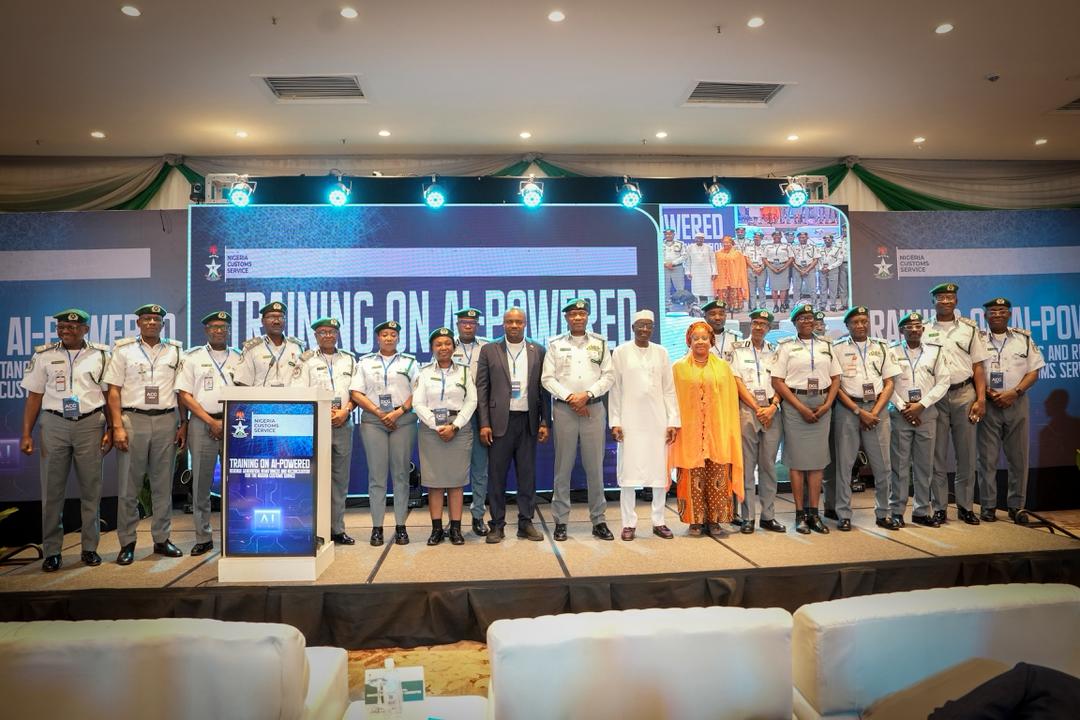
The Nigeria Customs Service has commenced a capacity-building programme on Artificial Intelligence (AI)-driven revenue generation, remittances, and reconciliation, as part of ongoing reforms to improve transparency and efficiency in public financial management.
The training, held at the Ladi Kwali Hall of the Abuja Continental Hotel on April 13, brought together senior Customs officers, technology experts, and members of legislative oversight committees.
Speaking at the event, the Comptroller-General of Customs, Adewale Adeniyi, reaffirmed the Service’s commitment to leveraging technology to strengthen accountability and operational effectiveness.
He noted that advancements in technology, particularly Artificial Intelligence, have enhanced the Service’s ability to analyse international trade patterns and improve public accounting systems.
“We are united in our resolve to ensure transparency in public accounting. Technology continues to evolve and plays a critical role in strengthening our operations,” Adeniyi said.
He urged participants to fully engage in the training, stressing the importance of harnessing AI collectively to improve Customs operations within the broader trade value chain.
In her remarks, the Deputy Comptroller-General in charge of Finance, Administration and Technical Services, Kikelomo Adeola, described the programme as timely and strategic.
She said the initiative was designed to bridge gaps in revenue management and equip officers with the necessary skills to deploy AI tools in safeguarding public funds.
The issues
Nigeria’s public sector continues to grapple with challenges around revenue leakages, inefficiencies in remittances, and weak reconciliation systems.
Limited adoption of emerging technologies, such as Artificial Intelligence, has also constrained the ability of institutions to optimise performance and enhance transparency.
What’s being said
Chairman of the House of Representatives Public Accounts Committee, Bamidele Salam, commended the Customs Service for embracing innovation, noting that capacity building remains critical to institutional effectiveness.
Similarly, Chairman of the Senate Public Accounts Committee, Ahmed Aliyu, called for sustained collaboration among stakeholders to build resilient systems capable of serving future generations.
Technology expert Bamidele Oyedeji also highlighted the transformative role of AI in enhancing trade facilitation and improving operational efficiency within Customs administrations.
What’s next
The Nigeria Customs Service is expected to deepen the integration of Artificial Intelligence into its operations, particularly in revenue assurance, trade monitoring, and financial systems.
Further training programmes and stakeholder engagements are likely as the Service seeks to institutionalise technology-driven reforms.
Bottom line
The Customs Service’s adoption of AI-driven training signals a strategic shift towards modernising revenue management systems, strengthening transparency, and improving efficiency in Nigeria’s public financial administration.







-driven revenue generation,...)