




Cuba has removed the maximum age limit of 60 for presidential candidates as part of a constitutional reform approved by parliament on Friday, paving the way for older leaders to seek office.
The reform, passed by the Council of State, maintains the current rule of two five-year terms and a minimum candidate age of 35. However, it now allows any candidate “in the full exercise of their physical and mental faculties, with loyalty and revolutionary trajectory” to run for the presidency, National Assembly President Esteban Lazo said.
Former president Raul Castro, 94, who still holds a seat in the assembly, was the first to vote in favor of the measure, which will take effect for the 2028 presidential elections.
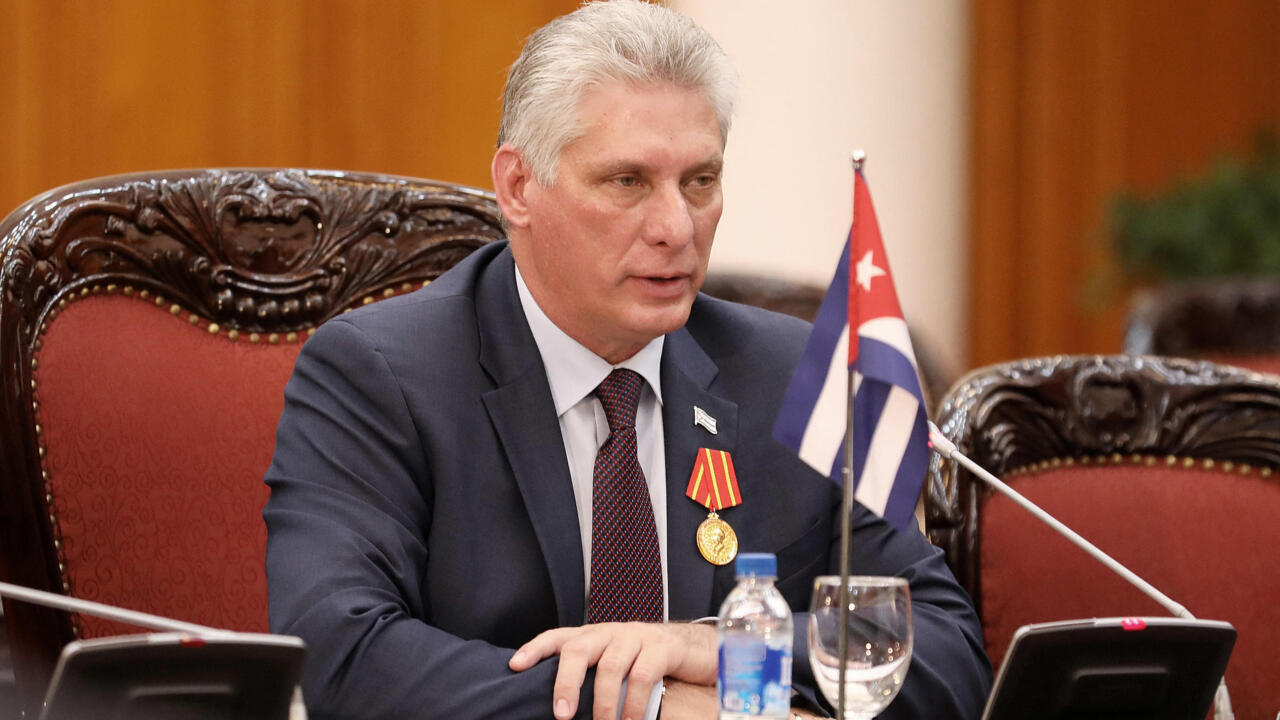
Cuba’s current president, Miguel Diaz-Canel, 65, was first elected in 2018 and re-elected in 2023, with no preferred successor publicly named.
The inclusion of age and term limits in the 2019 constitution marked a major departure from six decades of leadership under Fidel and Raul Castro. Fidel, who ruled for nearly 50 years, stepped down in 2016 due to health issues and died later that year. Raul officially became president in 2008 at 76 and retired as Communist Party first secretary in 2021, passing the reins to Diaz-Canel.
The constitutional change comes as Cuba faces its worst economic crisis in three decades, with widespread shortages, power cuts, and a record wave of emigration.