Key points
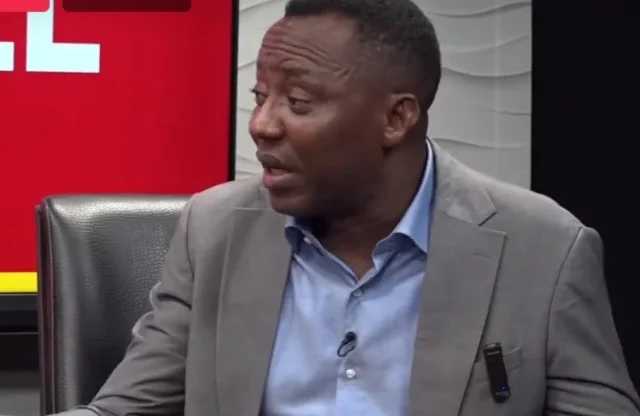
- A Federal High Court in Abuja has ordered the remand of activist and former presidential candidate Omoyele Sowore at the Kuje Correctional Centre.
- Sowore is facing a two-count charge bordering on alleged cyberstalking and criminal defamation linked to social media posts about President Bola Tinubu.
- The court revoked his bail after he failed to appear for a scheduled hearing, with proceedings set to resume on June 24, 2026.
Main story
The Federal High Court in Abuja on Monday ordered the remand of human rights activist and former presidential candidate of the African Action Congress (AAC), Omoyele Sowore, at the Kuje Correctional Centre pending the continuation of his trial on cybercrime-related charges.
The order was issued by Justice Mohammed Umar following developments in an ongoing case instituted by the Department of State Services (DSS), which accuses Sowore of cyberstalking and criminal defamation.
The charges stem from social media posts made by Sowore in August 2025 on X and Facebook, in which he allegedly described President Bola Ahmed Tinubu as a “criminal” in connection with comments made during an official visit to Brazil.
According to court records, Sowore declined requests by security authorities to delete the posts, maintaining that his statements were protected under constitutional provisions guaranteeing freedom of expression.
The activist was remanded after the court dismissed a motion seeking the judge’s recusal over allegations of bias and subsequently enforced an earlier bench warrant issued following his failure to appear in court for a scheduled hearing.
He is expected to remain in custody until June 24, when proceedings resume.
The issues
The case has generated debate around the application of Nigeria’s amended Cybercrimes Act, particularly provisions relating to online speech, cyberstalking and defamation.
At the centre of the dispute is the balance between protecting individuals from harmful online content and safeguarding constitutional rights to freedom of expression.
The prosecution argues that Sowore’s comments were knowingly false and capable of causing public disorder, while the defence maintains that the statements constitute legitimate political expression and criticism of public officials.
The matter also raises questions about judicial processes, court attendance obligations and the consequences of non-compliance with court orders.
What’s being said
The Federal Government’s case is based on Section 24 of the amended Cybercrimes Act, 2024.
Prosecutors contend that Sowore deliberately used social media platforms to disseminate false information capable of inciting unrest and damaging reputations.
Earlier in May 2026, Justice Umar ruled that the DSS had established a prima facie case, rejecting an application seeking to strike out the charges and directing Sowore to enter his defence.
Following a directive for accelerated daily trial proceedings, Sowore’s legal team withdrew from the matter in early June, after which he opted to represent himself.
Sowore has consistently maintained his innocence and pleaded not guilty to the charges.
He also disputed claims that he deliberately absented himself from court, stating that he had appeared for an earlier sitting only to discover that the court was not in session and had subsequently informed the registry of his travel plans before the arrest warrant was issued.
What’s next
The case is scheduled to resume on June 24, 2026, when Sowore is expected to continue presenting his defence.
The court will likely hear additional arguments relating to the substantive allegations of cyberstalking and criminal defamation, as well as any procedural issues raised by either party.
Legal observers are expected to closely monitor the proceedings given their potential implications for free speech jurisprudence, cybercrime enforcement and political expression in Nigeria.
Bottom line
The remand of Omoyele Sowore marks another significant development in a closely watched legal battle involving allegations of cyberstalking and defamation against President Tinubu. While prosecutors insist the case is about accountability under the law, Sowore maintains that his comments were protected political speech. The outcome could have far-reaching implications for the interpretation of Nigeria’s cybercrime laws and the limits of online expression.