








KEY POINTS
- Brent crude oil prices climbed above $71.50 per barrel today as traders price in a significant geopolitical risk premium ahead of Thursday’s high-stakes negotiations in Geneva.
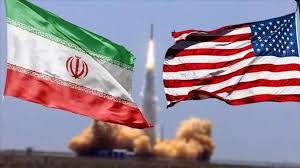
- Investors are closely monitoring the third round of indirect nuclear talks between the U.S. and Iran, mediated by Oman, with a February 26 deadline looming for a potential diplomatic breakthrough.
- U.S. President Donald Trump has amplified market jitters by stating it would be a “very bad day” for Iran if an agreement is not reached.
MAIN STORY
Brent crude oil prices remain at the forefront of global energy news as markets react to escalating tensions between Washington and Tehran. International benchmark Brent crude traded at $71.51 per barrel at 9:43 a.m. local time, marking a 0.3% increase, while U.S. benchmark West Texas Intermediate (WTI) rose 0.4% to reach $66.66. This upward momentum follows a week of intense military posturing and is further fueled by a new 15% tariff hike on U.S. imports, adding a layer of economic uncertainty to current geopolitical risk.
The primary driver for the current surge in Brent crude oil prices is the upcoming round of indirect nuclear talks scheduled for Thursday in Geneva. While Iran’s Foreign Minister Abbas Araghchi has expressed hope for a “win-win” solution, the market remains skeptical due to President Trump’s recent rhetoric and the U.S. State Department’s order for non-essential personnel to evacuate the embassy in Beirut. Analysts estimate that a risk premium of approximately $10 per barrel is currently baked into prices, reflecting fears of potential disruptions in the Strait of Hormuz—a chokepoint through which 20% of global oil supply transits.
Should the nuclear talks fail this week, energy experts at Goldman Sachs and Barclays warn that Brent crude oil prices could surge toward $80 per barrel, especially if sanctions are tightened or military intervention occurs. Conversely, a successful diplomatic “freeze” on uranium enrichment could see the current risk premium evaporate, potentially dropping prices back toward the $60 range. For now, the global economy is in a “holding pattern,” balancing these high-stakes diplomatic efforts against a broader backdrop of global oil surplus forecasts for later in 2026.
WHAT’S BEING SAID
- “Oil markets are in a holding pattern pending updates on the Iran situation, with a healthy dose of skepticism being placed on any de-escalatory rhetoric,” stated Saul Kavonic, senior energy analyst at MST Marquee.
- President Donald Trump warned via social media: “It will be a ‘very bad day’ for Iran if no deal is reached.”
- “allegations that Tehran is advancing its nuclear program for military purposes do not reflect reality,” said Iranian Deputy Foreign Minister Kazem Gharibabadi at the UN Disarmament Conference.
WHAT’S NEXT
- On February 26, U.S. envoy Steve Witkoff and Jared Kushner are expected to meet intermediaries in a final push for a deal to stabilize Brent crude oil prices.
- Producers (OPEC8+) are closely watching the $70–$72 support zone for Brent as they consider output increases slated for Q2 2026.
- The Milli Majlis will vote on its strategic investment law this week, further defining how the region secures its energy infrastructure amid the nuclear talks.
BOTTOM LINE
The Bottom Line is that while diplomatic channels remain open, the oil market is bracing for a volatile week. The convergence of U.S. tariff policy and the Geneva nuclear talks deadline has kept Brent crude oil prices near seven-month highs, with the outcome of Thursday’s talks likely to dictate the next $10–$20 swing in global energy costs.










 rose 0.4% to reach $66.66.)