





Key Points
- Epidemiologist Dr Akujuobi Igwe has urged Nigeria to address antibiotic misuse and strengthen efforts to combat antimicrobial resistance (AMR).
- He identified self-medication, inappropriate prescriptions, poor diagnostic facilities and misuse of antibiotics in animal production as major drivers of AMR.
- Emerging technologies, including artificial intelligence, genomic surveillance and rapid molecular diagnostics, could improve the detection and management of resistant infections.
- Igwe called for stronger AMR surveillance, microbiology laboratory infrastructure and responsible antibiotic use.
- The 2026 World Antimicrobial Resistance Awareness Week is being observed from November 18 to 24 under the theme, “One Health, One Action: Prevent AMR Now.”
Main Story
An epidemiologist and public health consultant, Dr Akujuobi Igwe, has urged Nigeria to strengthen efforts against antibiotic misuse and embrace emerging technologies to tackle antimicrobial resistance (AMR), warning that drug-resistant infections could make previously treatable diseases increasingly difficult and expensive to manage.
Igwe made the call in an interview with the News Agency of Nigeria (NAN) on Saturday in Lagos, as part of activities marking the 2026 World Antimicrobial Resistance Awareness Week, observed from November 18 to 24.
He described AMR as one of the most significant public health threats globally, explaining that it occurs when microorganisms, including bacteria, viruses, fungi and parasites, develop the ability to resist medicines previously used to treat infections.
According to him, the consequences include prolonged hospitalisation, treatment failure, increased healthcare costs and preventable deaths.
Igwe identified indiscriminate antibiotic consumption, self-medication, inappropriate prescribing, poor diagnostic capacity and inadequate infection prevention as major factors contributing to antimicrobial resistance in Nigeria.
He also warned that inappropriate antimicrobial use in animal production could accelerate the problem, stressing the need for coordinated action across human, animal and environmental health.
The Issues
Antimicrobial resistance threatens the effectiveness of medicines used to treat common infections, making routine medical procedures and the management of infectious diseases more challenging.
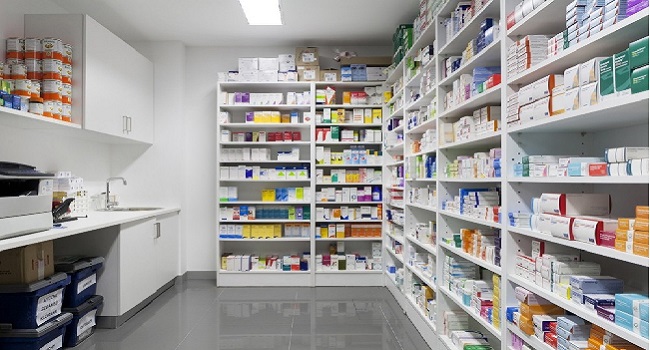
In Nigeria, the problem is worsened by practices such as purchasing antibiotics without prescriptions, using leftover medicines, sharing drugs and taking antibiotics for illnesses that do not require them.
Poor access to laboratory investigations can also encourage inappropriate treatment, as healthcare providers may prescribe antibiotics without identifying the microorganism responsible for an infection.
Igwe stressed that tackling AMR requires a One Health approach that recognises the connection between human health, animal health and the environment.
This means that efforts must extend beyond hospitals to include livestock production, food systems, sanitation and environmental management.
What’s Being Said
Despite the growing threat, Igwe said scientific and technological developments were creating new opportunities to detect, monitor and combat antimicrobial resistance.
He identified rapid molecular diagnostics and automated antimicrobial susceptibility testing as important innovations that could help clinicians identify disease-causing organisms and select effective antibiotics.
Artificial intelligence is also increasingly being explored to predict resistance patterns and support clinical decision-making.
Other emerging technologies include bacteriophage therapy, genomic surveillance, CRISPR-based technologies and the development of new antimicrobial agents.
However, the epidemiologist emphasised that preventive measures remained essential.
He identified vaccination, improved sanitation, regular handwashing and effective infection prevention practices as cost-effective ways to reduce infections and limit unnecessary antibiotic consumption.
Igwe called on the Federal Government to strengthen microbiology laboratory infrastructure, AMR surveillance systems, antimicrobial stewardship programmes and regulatory enforcement.
He also urged the authorities to ensure effective implementation of Nigeria’s National Action Plan on Antimicrobial Resistance.
On individual responsibility, he advised Nigerians against purchasing antibiotics without prescriptions, practising self-medication or sharing medicines.
He warned that antibiotics should not be used to treat viral infections such as the common cold and influenza.
“We should stop buying antibiotics without a prescription, avoid self-medication and sharing antibiotics, and not use antibiotics to treat viral infections such as common cold and flu,” he said.
He further advised patients to follow medical instructions when taking prescribed antibiotics, avoid using leftover medicines and undergo appropriate laboratory investigations before treatment where necessary.
According to him, healthcare professionals must also demonstrate responsible prescribing, dispensing and laboratory practices to reduce the spread of drug resistance.
“Antibiotics are precious resources, not ordinary household remedies. We must use them responsibly today to preserve their effectiveness for ourselves, our children and future generations,” he said.
What’s Next
The epidemiologist called for stronger government commitment to implementing Nigeria’s AMR action plan, improving diagnostic facilities and expanding surveillance systems.
Healthcare institutions are also expected to strengthen antimicrobial stewardship by promoting appropriate prescribing, dispensing and monitoring of antibiotic use.
The 2026 World Antimicrobial Resistance Awareness Week, with the theme “One Health, One Action: Prevent AMR Now,” seeks to raise public awareness and encourage collective efforts to prevent and contain antimicrobial resistance.
Bottom Line
Antimicrobial resistance is not simply a medical challenge. It threatens public health, food production, economic stability and the effectiveness of modern healthcare.
While emerging technologies could improve the detection and treatment of resistant infections, preventing unnecessary antibiotic use remains equally important.
Nigeria’s response must combine stronger healthcare infrastructure, responsible medical practices, public education and coordinated action across human, animal and environmental health.
Protecting the effectiveness of antibiotics today is essential to ensuring that future generations can continue to rely on them to treat infections.