









Keypoints
- Abuja Chamber of Commerce and Industry (ACCI) President, Chief Emeka Obegolu, called for Nigeria to shift from exporting raw materials to value-added processing.
- China officially removed tariffs on goods from 53 African countries effective May 1, 2026.
- The policy was announced by President Xi Jinping during the 39th African Union Summit in February 2026.
- Strategic export areas identified include cocoa, sesame, cashew, ginger, leather products, and textiles.
- ACCI aims to mobilise SMEs and investors to build export value chains that meet international quality standards.
Main Story
The Abuja Chamber of Commerce and Industry (ACCI) says Nigeria should leverage China’s tariff-free policy for African goods by promoting local processing and value addition to boost global competitiveness.
Chief Emeka Obegolu, President of the chamber, made this known while reacting to China’s decision to remove tariffs on goods from 53 African countries on Wednesday in Abuja.
According to him, Nigeria must avoid remaining merely an exporter of raw materials and instead work for increased value addition to enhance the value of Nigerian products in global markets.
Obegolu described the policy as a major opportunity for Nigeria’s export sector to expand, boost industrialisation, and diversify the economy away from overdependence on crude oil.
The Chinese President, Xi Jinping, officially announced the zero-tariff policy on February 14, 2026, during the 39th African Union Summit in Addis Ababa, and the policy took effect on May 1, 2026.
Obegolu identified cocoa, sesame, cashew, ginger, leather products, and textiles as areas with strong potential, emphasizing that the tariff removal would improve the competitiveness of Nigerian products while boosting foreign exchange earnings and job creation.
The Issues
- Nigeria’s historic reliance on raw material exports leaves the economy vulnerable to global price fluctuations and limits local industrial growth.
- Meeting international standards for processed goods requires significant investment in quality control, packaging, and infrastructure.
- High logistics costs and inadequate storage facilities remain barriers for Nigerian SMEs attempting to scale production for the Chinese market.
What’s Being Said
- “Nigeria should use the opportunity to shift from overdependence on crude oil exports to agriculture, manufacturing and value-added exports,” said Chief Emeka Obegolu.
- “The China’s zero-tariff policy offers Nigeria major opportunities to expand exports, boost industrialisation and diversify the economy,’’ Obegolu added.
- The ACCI president noted that the policy came at a critical time, stating it would “improve competitiveness of Nigerian products in the Chinese market.”
- Obegolu emphasized that Nigeria should work for “increased value addition and local processing to enhance the competitiveness and value of Nigerian products.”
What’s Next
- ACCI will begin mobilizing investors and stakeholders to develop export value chains tailored to Chinese market requirements.
- Business groups are expected to seek increased government support for export financing and ease of doing business policies.
- Nigerian youth and women entrepreneurs are being encouraged to participate in new training programmes focused on international trade and agro-processing.
Bottom Line
With China’s market now open to tariff-free African goods, the ACCI is pushing for a structural shift in Nigeria’s trade strategy, prioritizing industrial processing over raw exports to maximize the benefits of the 2026 trade policy.





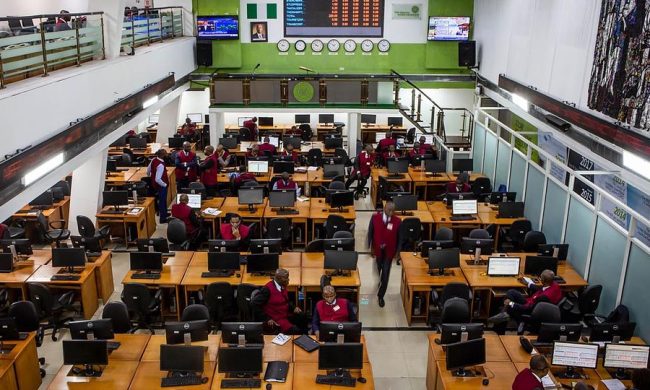




 says Nigeria should leverage China’s tariff-free policy for African goods ...)