






Key Points
- Gombe State Governor’s wife, Hajiya Asma’u Yahaya, has condemned increasing digital violence against women and girls.
- She identified online harassment, cyberstalking, blackmail, defamation and sharing of private images without consent as growing threats.
- Yahaya warned that perpetrators would face sanctions under the state’s legal frameworks.
- She urged victims to report gender-based violence to security agencies rather than settle cases privately.
- The 2026 16 Days of Activism campaign focuses on ending violence against women and children, protecting survivors and ensuring justice.
Main Story
The wife of Gombe State Governor, Hajiya Asma’u Yahaya, has raised concerns over the growing cases of digital violence against women and girls, calling for stronger protection and collective action to address technology-facilitated abuse.
Yahaya made the call on Wednesday in Gombe during the commemoration of the 2026 16 Days of Activism campaign. She was represented at the event by the Commissioner for Women Affairs and Social Development, Mrs Bertha Danja.
She said the increasing number of internet users had exposed more women and girls to online harassment and other forms of digital abuse, while existing protection measures remained inadequate.
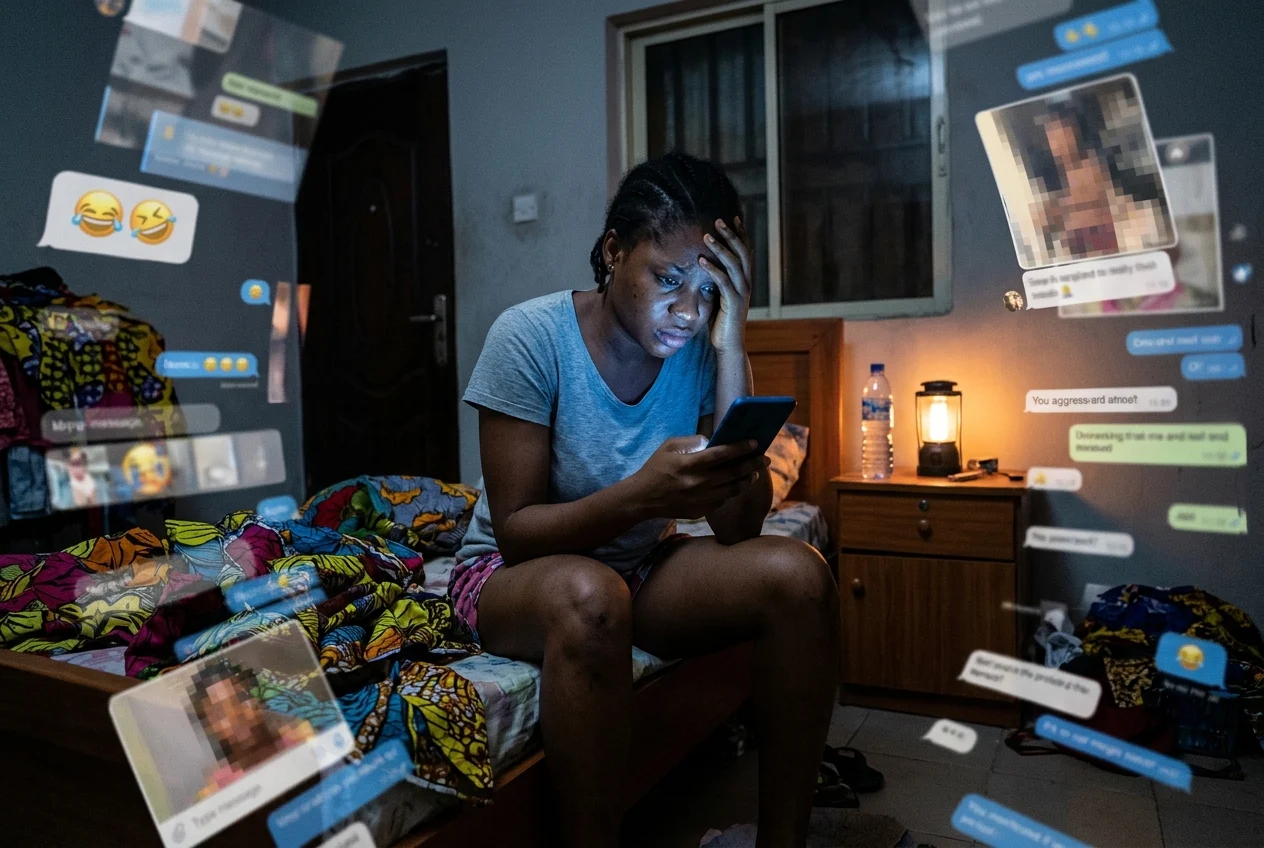
According to her, victims increasingly face cyberstalking, blackmail, online defamation and the unauthorised sharing of personal photographs.
She called on technology platforms, civil society organisations and community leaders to work with the government to prevent online abuse and protect vulnerable groups.
Yahaya warned that perpetrators would face sanctions, including fines and imprisonment, under applicable legal frameworks in the state.
She reaffirmed the Gombe State Government’s commitment to protecting women and girls from all forms of violence, stressing that they deserved dignity, equal opportunities and the freedom to contribute to the development of society.
The Issues
Digital violence has become an important dimension of gender-based violence as social media and internet platforms increasingly shape communication and social relationships.
Online harassment, threats, cyberstalking, blackmail and the circulation of private images without consent can expose victims to emotional distress, reputational damage and other forms of harm.
Women and girls may also face additional barriers when reporting abuse, including stigma, fear of retaliation and pressure from families or communities to resolve cases privately.
Addressing these challenges requires effective reporting channels, public awareness, appropriate legal responses and cooperation from technology companies.
What’s Being Said
Yahaya urged community and religious leaders to collaborate with government agencies and development partners to tackle violence against women and girls.
She emphasised that the fight could only succeed through collective responsibility and warned against settling gender-based violence cases privately or shielding perpetrators.
She encouraged victims to report incidents to security agencies so that appropriate action could be taken.
The governor’s wife also called for stronger protection of women’s rights, saying women and girls should have the opportunity to live with dignity and participate fully in the development of Gombe State and Nigeria.
What’s Next
The 2026 16 Days of Activism campaign provides an opportunity for government institutions, civil society groups, religious organisations and technology platforms to strengthen public education and responses to gender-based violence.
This year’s theme is “Unite to End Violence Against Women and Children; Ensure Justice, Protect Survivors, End Impunity”.
The campaign is expected to draw attention to the need for survivor protection, accountability and stronger action against both physical and technology-facilitated abuse.
Bottom Line
Digital violence is not harmless online behaviour. Harassment, blackmail, cyberstalking and the non-consensual sharing of private images can have serious consequences for victims. Gombe’s call for stronger action highlights the importance of combining public awareness, effective reporting, legal accountability and community support to protect women and girls both online and offline.