








KEY POINTS
- The Central Bank of Nigeria retained its Monetary Policy Rate at 23% at the final Monetary Policy Committee meeting of the year.
- The committee also kept the cash reserve requirements and standing facilities corridor unchanged.
- Inflation eased to 14.06% in October from 14.63% in September.
- The naira weakened to ₦1,394.01 per dollar at the Nigerian Foreign Exchange Market on Monday, ahead of the MPC meeting.
MAIN STORY
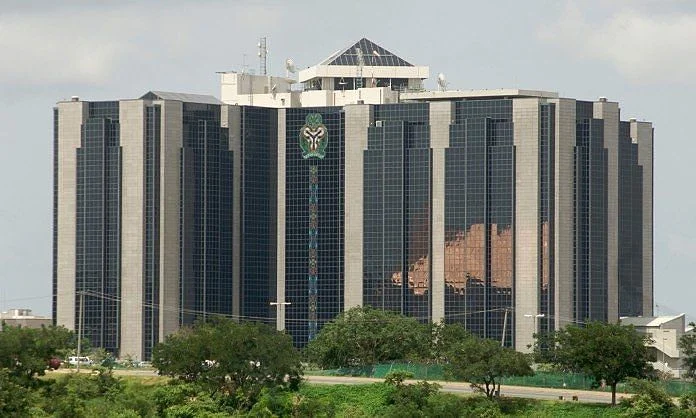
The Central Bank of Nigeria (CBN) has retained its benchmark interest rate at 23%, maintaining a tight monetary policy stance despite a further moderation in inflation.
Announcing the decision in Abuja on Tuesday, CBN Governor Olayemi Cardoso said members of the Monetary Policy Committee (MPC) unanimously agreed to leave the Monetary Policy Rate (MPR) unchanged at the final two-day meeting of the year.
The committee also retained the Standing Facilities Corridor around the MPR at +50/-300 basis points.
Other monetary policy parameters were left unchanged. The Cash Reserve Requirement (CRR) remains 45% for Deposit Money Banks, 16% for Merchant Banks and 75% for non-Treasury Single Account public sector deposits.
“The Committee reviewed recent developments in the global and domestic economies, assessed emerging risks to the outlook and considered their implications for monetary policy,” Cardoso said.
The decision came as Nigeria’s headline inflation eased to 14.06% in October 2026 from 14.63% in September, according to the National Bureau of Statistics.
However, renewed pressure on the foreign exchange market and concerns about domestic and global economic risks continue to complicate the outlook for monetary policy.
THE ISSUES
The decision to hold the MPR suggests that the CBN is not yet convinced that the improvement in inflation is strong enough to justify reducing borrowing costs.
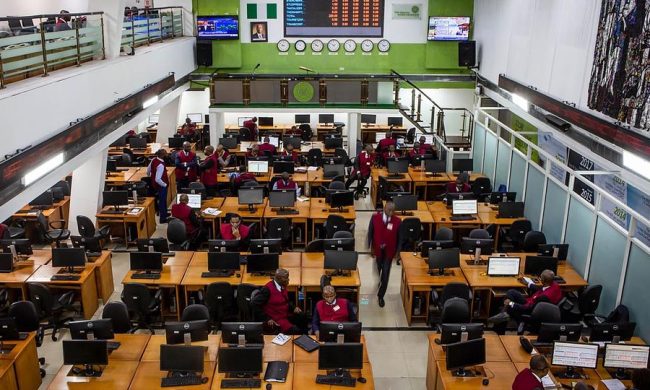
Although inflation has declined, the naira has come under renewed pressure. CBN data showed that the currency weakened by ₦4.28 at the Nigerian Foreign Exchange Market on Monday, with the dollar quoted at ₦1,394.01 compared with ₦1,389.73 on Friday.
A weaker naira can increase the cost of imported goods and production inputs, potentially putting pressure on prices even as headline inflation moderates.
The approach of an election cycle also presents a monetary policy concern. Increased government spending could inject more money into the economy, potentially raising demand and renewing inflationary pressure if supply does not keep pace.
Higher global oil prices, alongside rising energy and transportation costs, add to the risks facing the inflation outlook.
Keeping the interest rate at 23% therefore signals that the CBN is prioritising price and exchange rate stability over an immediate reduction in borrowing costs.
WHAT’S NEXT
The next policy decisions will depend on whether inflation continues to moderate, exchange rate pressure eases and broader economic risks become less pronounced.
Businesses and borrowers will also be watching for signs of a shift towards monetary easing, as the current rate environment keeps borrowing costs elevated.
BOTTOM LINE
The CBN has chosen to maintain its tight monetary stance despite falling inflation. Until the improvement in prices becomes more sustained and pressure on the naira eases, the committee appears unwilling to risk cutting interest rates.




 has retained its benchmark interest rate at 23%, maintaining a tight monetary ...)