






KEY POINTS
- CBN Governor Olayemi Cardoso wants governance arrangements for the proposed ECOWAS Monetary Union to reflect fairness and the financial commitments of member states.
- He argues that countries making larger financial contributions should have a meaningful role in decision-making.
- Nigeria says its position is based on its financial and institutional responsibilities, not a claim to regional dominance.
- The proposed ECO single currency is being prepared for phased introduction from 2027.
MAIN STORY
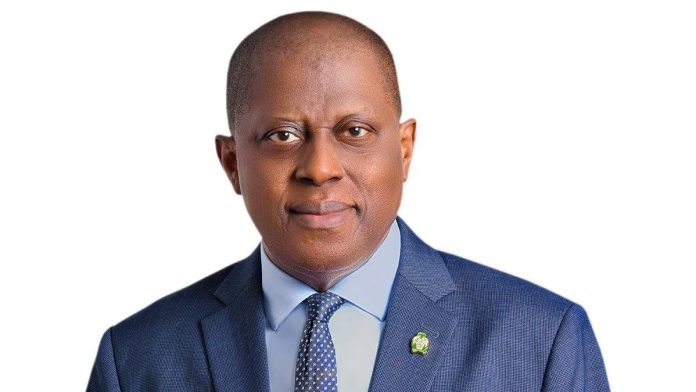
Central Bank of Nigeria (CBN) Governor Olayemi Cardoso has called for equitable representation in the governance of the proposed Economic Community of West African States (ECOWAS) Monetary Union, arguing that countries’ decision-making roles should reflect their financial commitments and responsibilities.
Cardoso made the call on Friday in Abidjan, Côte d’Ivoire, while representing Nigeria at the Ministerial Session of the sixth Presidential Task Force meeting on the ECOWAS Single Currency Programme.
In a statement issued by the CBN’s Corporate Communications Department on Sunday in Abuja, the governor said regional solidarity and respect for the sovereignty of member states should remain central to the proposed union.
However, he said these principles must be balanced against the financial contributions, responsibilities and risks assumed by individual countries.
Discussions at the meeting focused on the institutional structure of the proposed monetary union, including where its institutions would be located, how leadership positions would be allocated and how authority would be shared among member states.
Cardoso described the meeting as an important stage in the integration process, saying decisions on governance would influence the union’s credibility with investors and development partners, as well as the confidence of member states.
THE ISSUES
Nigeria’s position centres on the relationship between financial contributions and decision-making power in the proposed monetary union.
As one of the region’s largest economies and a major contributor to the programme, Nigeria is expected to commit substantial financial resources, reserves and institutional support to the project.
Cardoso argued that countries carrying greater financial responsibilities should have corresponding influence in the institutions they help fund and sustain.
He said this would also make it easier for governments to justify their contributions to their national parliaments and civil society.
The issue raises a key question for the proposed ECO: how can ECOWAS create a governance structure that respects the equal sovereignty of member states while recognising differences in their economic size and financial capacity?
A monetary union requires members to share institutions and responsibilities. Its long-term sustainability will depend partly on whether participating countries consider its decision-making arrangements fair and their contributions proportionately recognised.
Cardoso maintained that Nigeria’s position was not about seeking dominance or special entitlement, but about aligning responsibility, accountability and participation.
WHAT’S BEING SAID
Cardoso said countries with larger economies and greater financial responsibilities should receive meaningful consideration in the governance structure.
“Bigger economies continue to take up the burden, they should also be considered to play a significant role because of the risk and systemic importance they have in the sub-region.”
He also warned that an imbalance between obligations and influence could undermine the union.
“Where obligations are shared but influence is not, arrangements may be agreed, but their long-term sustainability may be difficult to guarantee.”
Reaffirming Nigeria’s commitment to the project, he said:
“We remain fully committed to the successful establishment of the ECO and to a monetary union that is credible, sustainable and beneficial to all member states.”
WHAT’S NEXT
The ministerial meeting brought together finance ministers and central bank governors from ECOWAS member states to discuss the institutional and governance arrangements needed for the proposed monetary union.
The discussions form part of preparations for the phased introduction of the ECO single currency from 2027.
Delegates are expected to continue working towards an arrangement that gives every member state a stake in the union while addressing the allocation of leadership, authority and financial responsibilities.
BOTTOM LINE
Nigeria supports the proposed ECO but wants its financial contributions and responsibilities reflected in the union’s governance structure. The challenge for ECOWAS is to agree on arrangements that recognise these differences without undermining the sovereign equality of member states.




 Governor Olayemi Cardoso has called for equitable representation in the governance of the ...)