





Key Points
- Plateau State recorded 5,457 suspected new diabetes cases between January and September 2026.
- The state also reported 5,546 suspected new cases in 2025, according to routine health facility records.
- Health Commissioner Dr Nicholas Ba’amlong clarified that the figures represent suspected cases, not confirmed diabetes diagnoses.
- A 2024 screening campaign found elevated blood glucose levels in 2,610 of 14,359 people screened in the state.
- The government plans to expand diabetes screening and education across all 17 local government areas.
Main Story
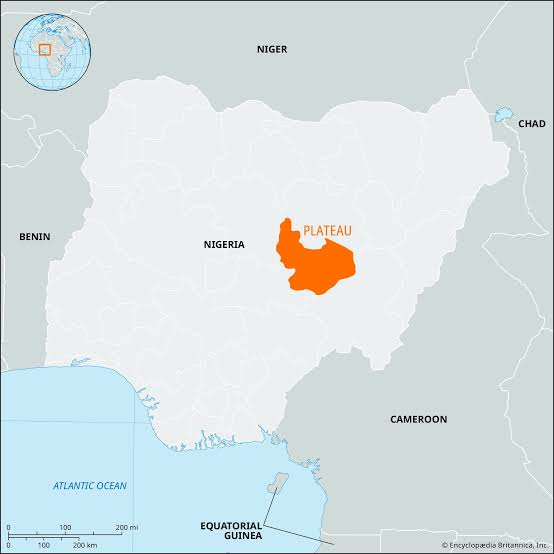
Plateau State has recorded 5,457 suspected new diabetes cases between January and September 2026, raising concerns over the growing burden of the disease and the need for wider screening and early detection.
The state’s Commissioner for Health, Dr Nicholas Ba’amlong, disclosed this on Monday in Jos during a briefing to mark the 2026 World Diabetes Day.
He said routine health facility reports also documented 5,546 suspected new cases in 2025, noting that the figures reflected suspected cases rather than confirmed diagnoses.
Ba’amlong expressed concern that many people could be living with diabetes without knowing their health status, increasing the risk of complications associated with delayed diagnosis and poor disease management.
He explained that uncontrolled or undetected diabetes could lead to serious health problems, including blindness, kidney failure, heart disease, stroke and lower-limb amputations.
The commissioner also referred to findings from the 2024 nationwide Know Your Number, Control Your Number screening campaign.
According to him, 14,359 people were screened in Plateau State, with 2,610 recording elevated blood glucose levels requiring further medical assessment.
He stressed that the figure, representing approximately 18 per cent of those screened, should not be interpreted as the prevalence of diabetes in the state.
Rather, he said, it demonstrated the importance of accessible screening, proper diagnosis and continuous medical care.
The Issues
Diabetes is a growing public health concern because many people may not recognise its symptoms until complications develop.
The condition can affect several organs, particularly when blood glucose levels remain poorly controlled over time.
The suspected cases reported in Plateau highlight the importance of strengthening screening services and ensuring that people with elevated blood glucose receive proper medical assessments.
However, screening alone cannot establish a diabetes diagnosis. Individuals with abnormal results require further clinical evaluation and appropriate follow-up.
Access to diagnostic services, especially in underserved communities, is therefore essential to improving early detection and treatment.
What’s Being Said
Ba’amlong said the Plateau Government, under Gov. Caleb Mutfwang, remained committed to strengthening diabetes prevention, early detection and management.
As part of activities marking World Diabetes Day, the Ministry of Health, in collaboration with the Plateau chapters of the Diabetes Association of Nigeria and the Endocrine and Metabolic Society of Nigeria, organised a free workplace screening exercise.
He said the exercise took place on November 13 at the State Secretariat, where approximately 1,000 civil servants underwent blood glucose checks.
The screening also covered weight and body mass index assessments, blood pressure checks, health education, counselling and referrals where necessary.
“Screening is only the beginning, early detection must lead to appropriate diagnosis and treatment,” Ba’amlong said.
He urged residents, particularly those with a family history of diabetes, excess weight or high blood pressure, to know their blood glucose levels.
He also advised people to watch for symptoms such as excessive thirst, frequent urination, unexplained weight loss and persistent fatigue.
What’s Next
The commissioner said the ministry planned to extend diabetes education and screening to underserved communities across the state’s 17 local government areas through primary healthcare facilities and community outreach programmes.
The government is also exploring partnerships and appropriate medical technologies to improve access to diagnostic services, particularly at the primary healthcare level.
Ba’amlong added that the ministry would prioritise follow-up for people with elevated blood glucose levels and strengthen referral tracking to improve access to diagnosis, treatment and continuous care.
He encouraged residents to adopt healthier lifestyles through balanced nutrition, regular physical activity, weight management, avoidance of tobacco and limited alcohol consumption. People already living with diabetes were also advised to follow prescribed treatment and attend regular medical reviews.
Bottom Line
Plateau’s reported figures underline the importance of identifying diabetes early and ensuring that suspected cases receive proper medical attention. The planned expansion of screening across all 17 local government areas could improve access to early diagnosis, but its impact will depend on consistent follow-up, affordable treatment and stronger primary healthcare services.