








KEY POINTS
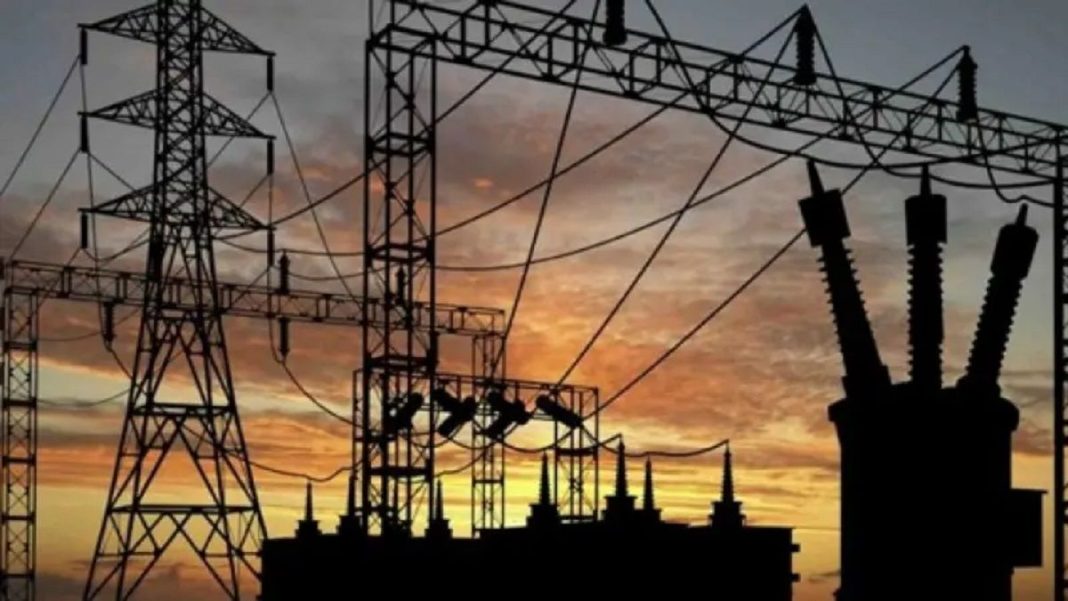
- Electricity consumers across Kubwa, Dutse, and Dei-dei in the Federal Capital Territory (FCT) have appealed to the Abuja Electricity Distribution Company (AEDC) to urgently address erratic power supply.
- Residents report receiving only three to five hours of electricity daily—and sometimes none at all—crippling local businesses such as welding shops, fashion design, and catering.
- Artisans and business owners noted that soaring fuel prices make heavy generator reliance unaffordable, while alternative energy sources like solar remain financially out of reach for many households.
MAIN STORY
Residents and business owners in the Federal Capital Territory (FCT), particularly within Kubwa, Dutse, and Dei-dei, have raised serious concerns over worsening power supply, urging the Abuja Electricity Distribution Company (AEDC) to take immediate remedial action.
In interviews with the News Agency of Nigeria (NAN) on Sunday, consumers decried the epileptic power situation, noting that supply frequently falls short of five hours daily, severely inflating the cost of doing business and preserving perishable goods.

Local artisans detailed the crippling financial toll exacted by the outages. Mr. James Odibo, a welder in Kubwa, stated that he receives less than five hours of electricity daily and struggles to afford expensive fuel for his generator.
Similarly, fashion designer Mrs. Augusta Obi and caterer Mrs. Patricia Osagie reported that power shortages disrupt their daily operations, while civil servant Mrs. Ejiro Umokoro lamented that intermittent night-only restorations are inadequate to run refrigerators, resulting in spoiled foodstuffs.
Another resident, Mr. Lekan Ademola from Dei-dei, explained that while many households have turned to solar energy as an alternative, the high capital cost places it beyond the reach of average citizens.
The persistent power deficits underscore the ongoing challenges faced by distribution companies in balancing load allocation and infrastructural demands. Consumers have directly appealed to AEDC and relevant federal authorities to stabilize the grid and boost generation delivery within the FCT to alleviate operational hardships for small businesses and households alike.
THE ISSUES
- Severe electricity rationing and prolonged blackouts disproportionately increase operating expenses for small and medium enterprises relying on expensive fossil-fuel generators.
- High initial capital requirements for alternative energy sources like solar power limit widespread adoption among low- and middle-income households in the FCT.
WHAT’S BEING SAID
“We don’t get electricity up to five hours a day. I have to depend on generator to do my business and to get fuel to power it is difficult as the cost has gone up and I cannot afford it.” – Mr. James Odibo, Welder and Kubwa Resident
“Sometimes it will be restored in the night for just two hours and this cannot power my refrigerator as my foodstuff in the freezer are going bad.” – Mrs. Ejiro Umokoro, Civil Servant and Kubwa Resident
WHAT’S NEXT
AEDC officials are expected to review distribution networks across the affected FCT satellite towns to address persistent load shedding and grid imbalances.
BOTTOM LINE
FCT electricity consumers in Kubwa, Dutse, and Dei-dei have urged the AEDC to improve daily power availability, warning that chronic supply cuts and high fuel costs are crushing local businesses.









, particularly within Kubwa, Dutse, and Dei-dei, have ...)