







KEY POINTS
• Dangote Refinery plans to raise its processing capacity from 700,000 bpd to 1.4 million bpd by 2029.
• The expansion is expected to double the refinery’s workforce as additional petrochemical facilities are developed.
• More than 70 per cent of the refinery is automated, with the expansion expected to build on existing infrastructure.
MAIN STORY
Dangote Refinery is targeting a doubling of its processing capacity to 1.4 million barrels per day by 2029, with the expansion expected to also increase its workforce.
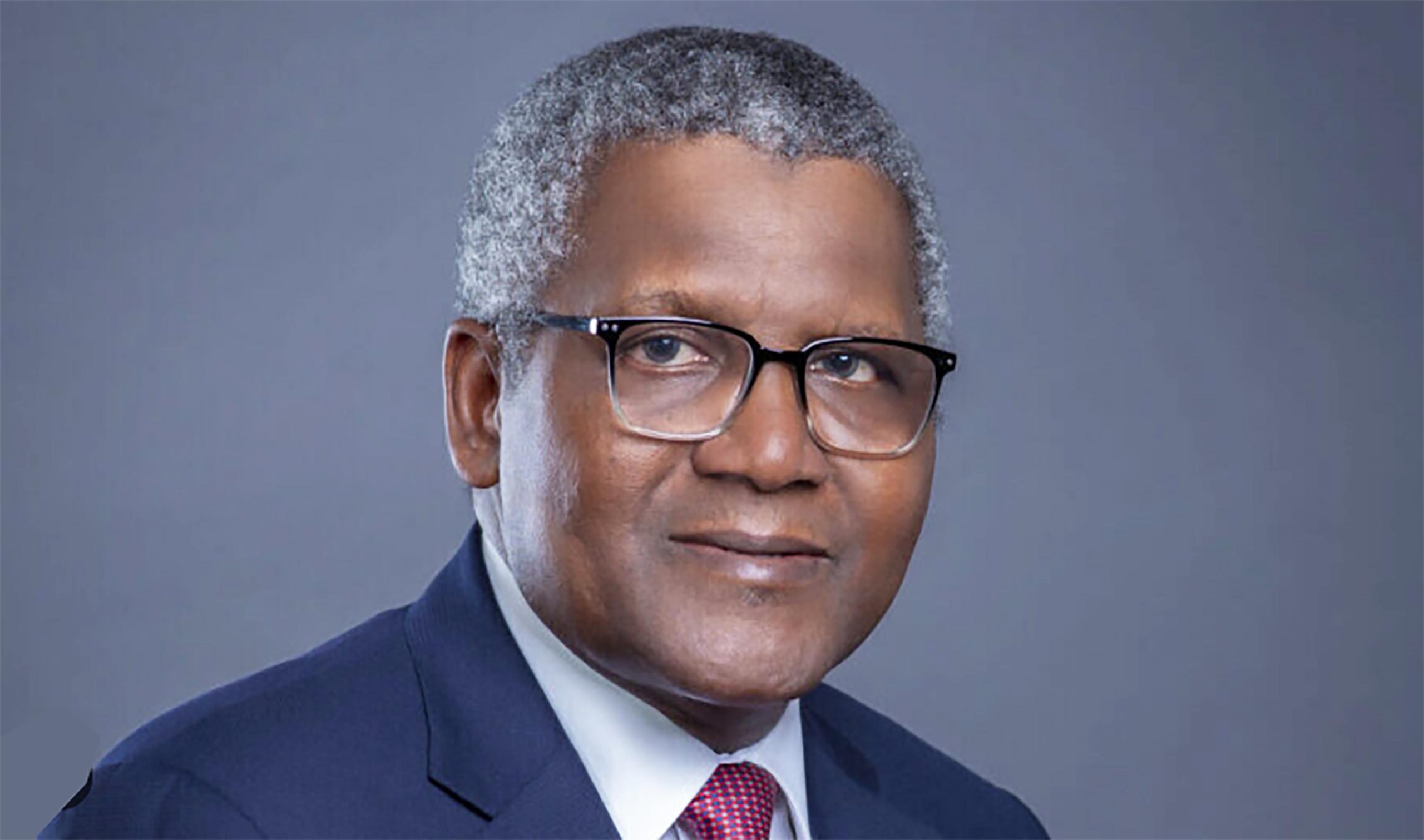
Mr Devakumar Edwin, Group Vice President, Oil and Gas and Fertiliser, Dangote Industries Ltd., disclosed this on Friday during a media tour of the refinery in Lagos.
Edwin said basic engineering for the expansion had been completed, while almost all detailed engineering work was also finished.
He said most of the required equipment had been ordered, with major contracts already signed and advance payments made to contractors.
The company is working with a three year completion target, although Edwin said the project could be completed earlier.
“We are targeting for three years, and probably we may be even doing faster,” he said.
According to Edwin, the expansion is expected to cost slightly less than the refinery’s initial phase because the company already has several supporting facilities in place.
These include the quarry, welding gas plant, port facility and developed land, which would not have to be replicated for the expansion.
He said Dangote was also negotiating lower engineering and design costs because significant parts of the expansion would replicate existing facilities.
However, the addition of new petrochemical facilities would increase the overall project cost.
Edwin said the refinery was originally designed for 650,000 bpd but was currently operating at about 700,000 bpd. A tour guide also said the crude distillation unit had been tested at about 710,000 bpd.
The refinery was designed to handle a broad range of crude grades, including most African crude grades and US West Texas Intermediate.
Edwin said this flexibility was intended to reduce reliance on Nigerian crude, particularly because a significant portion of domestic crude had initially been committed under existing obligations.
“We have designed it to have a wider range of crudes which can be processed in the refinery,” he said.
The refinery’s configuration also places significant emphasis on petrol production, reflecting the company’s assessment of Nigeria’s consumption pattern.
Edwin said petrol accounts for 53 per cent of the refinery’s production capacity, compared with about 22 per cent in conventional Nigerian refineries.
He said the refinery was designed so that 95 per cent of its output would consist of higher value products, including petrol, diesel and aviation fuel.
“We designed it in such a way that 95 per cent of our production is high-value, either petrol or diesel or jet fuel,” he said.
The remaining five per cent comprises lower value industrial products.
Edwin said the refinery produces Euro 5 and Euro 6 standard petroleum products for both domestic and international markets.
He added that petrol, aviation fuel and diesel from the facility were already being exported to markets in the United States, Europe and other regions.
The planned expansion will also increase production of petrochemicals, including linear alkyl benzene, base oil and polypropylene.
During the tour, relatively few personnel were seen around the refinery’s operating units. A guide attributed this to the facility’s high level of automation.
More than 70 per cent of the refinery is automated, with major processing units controlled from the main control room.
The tour covered the central laboratory, Main Control Room, gantry and processing units, as well as loading bays and storage facilities for crude, intermediate products and finished petroleum products.
Work on the expansion was also observed within the refinery complex.
The expansion comes as Dangote Petroleum Refinery and Petrochemicals seeks to raise about N2.15 trillion through an ongoing initial public offering, with the proceeds expected to support the capacity expansion.
THE ISSUES
- Doubling refining capacity would increase the scale of the facility’s operations and require additional workers, with the company planning to expand its workforce alongside the project.
- The use of existing infrastructure could reduce the cost of replicating supporting facilities for the second phase. Dangote says the quarry, port, welding gas plant and developed land are already available.
- The refinery’s ability to process different crude grades provides flexibility in sourcing feedstock. The company says this is important because some Nigerian crude is already committed under existing obligations.
- The refinery’s product mix is heavily weighted towards higher value fuels, with petrol accounting for 53 per cent of its production capacity. The company says this configuration reflects the consumption pattern it is targeting.
- Automation is a major feature of the facility’s current operations. With more than 70 per cent of the refinery automated, much of the processing activity is controlled centrally rather than requiring large numbers of personnel around individual operating units.
WHAT’S BEING SAID
“We are targeting for three years, and probably we may be even doing faster.” – Devakumar Edwin, Dangote Industries Ltd.
“We have designed it to have a wider range of crudes which can be processed in the refinery.” – Devakumar Edwin, Dangote Industries Ltd.
“We designed it in such a way that 95 per cent of our production is high-value, either petrol or diesel or jet fuel.” – Devakumar Edwin, Dangote Industries Ltd.
WHAT’S NEXT
Dangote Refinery plans to complete the expansion to 1.4 million bpd by 2029, while continuing work on additional petrochemical facilities.
The company is also seeking about N2.15 trillion through its ongoing IPO, with the proceeds expected to fund the capacity expansion.
BOTTOM LINE
Dangote Refinery is preparing to double its processing capacity while expanding its workforce and petrochemical output. The project is being built around existing infrastructure, with the company targeting completion within three years.