







By Annette Ikponmwonba | September 17, 2026
Key Points
· Stakeholders along the Lekki Deep Seaport axis say worsening traffic congestion is disrupting port operations
· They blame the Lagos State Government for failing to enforce traffic rules, particularly around truckers using designated truck parks before accessing the port
· Truck park investors say poor patronage is eroding confidence and causing financial losses despite the electronic call-up system already being operational
· NPA Port Manager Emmanuel Anda says non-involvement of the NPA in the call-up system’s formulation has contributed to poor enforcement and multiple fatal accidents
· Lagos Commissioner for Transportation Seun Osiyemi says the congestion isn’t permanent and is often triggered by rumoured fuel price hikes prompting truckers to rush the port
· The Lagos State Government says it plans to intensify enforcement along the Lekki and Apapa Port corridors following a recent strategy review
Main Story
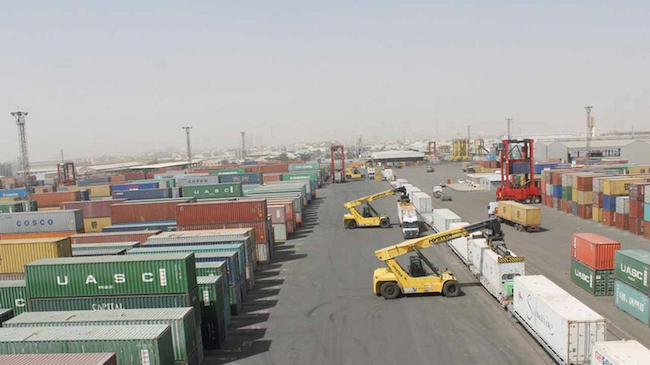
Stakeholders along the Lekki Deep Seaport axis have lamented that port operations are being gradually disrupted by worsening traffic congestion, blaming the Lagos State Government for failing to effectively enforce traffic rules along the corridor. According to a statement, the situation has raised concerns that prolonged gridlock could further hamper cargo evacuation and negatively affect port operations.
While an electronic call-up system meant to regulate truck movement into and out of the port areas is already operational, stakeholders emphasised that the government’s failure to ensure truckers use designated truck parks before being called up remains a major challenge. The statement noted that investors in truck park facilities are already beginning to count their losses as poor patronage erodes confidence in the investment environment.
Reacting to the development, Managing Director of Lekki World, Adeola Olusodo, acknowledged that efforts were ongoing to address the situation, while clarifying that traffic regulation itself falls under the Lagos State Traffic Management Authority rather than port stakeholders.
The Issues
At the core of the dispute is a coordination gap between multiple agencies responsible for different parts of the port corridor’s traffic management. Truck park operators argue that poor enforcement has led drivers to bypass designated parks entirely, often securing call-up tickets before even arriving at the port, which undermines the entire premise of a structured queuing system meant to ease congestion.
The financial toll of this gap is already visible. Admoore Park Managing Director Shile Oloto disclosed that bank loans invested in the park over the past three years have not yielded any corresponding return, a situation he directly attributed to weak enforcement of traffic regulations that has left accredited parks underutilised.
There is also a structural governance issue at play. NPA Port Manager Emmanuel Anda pointed to the non-involvement of the Nigerian Ports Authority in formulating the truck call-up system as a contributing factor to poor enforcement, suggesting that the policy may have been designed without full input from the agency that oversees port operations themselves. This has resulted in serious safety consequences, with Anda citing instances where both sides of the road were completely blocked by tankers and container trucks, alongside multiple fatal accidents linked to unregulated truck movement.
What’s Being Said
Anda was direct about the safety stakes involved, warning that more lives could be lost if the situation is allowed to continue unchecked, and stressing that the high volume of activity within the Lekki Free Trade Zone demands an efficient traffic management system to keep vehicular movement smooth and uninterrupted.
Commissioner Osiyemi offered a different framing, acknowledging the gridlock but describing it as temporary and often triggered by external market factors rather than systemic failure. He explained that congestion frequently spikes when rumours circulate about impending increases in petroleum product prices, prompting truck drivers to rush to the port to evacuate products before any price hike takes effect. He also defended the government’s cautious approach to enforcement, saying regulations cannot be enforced by force to avoid triggering protests, and that trucks are instead deployed to designated parks to ease movement during such surges.
Separately, the Special Adviser to the Governor on Transportation, Sola Giwa, disclosed at a strategy meeting that gaps had been identified in the current enforcement process, necessitating a rejig of the government’s approach to the corridor.
What’s Next
The Lagos State Government has signalled plans to intensify enforcement efforts along both the Lekki and Apapa Port corridors, with the Ministry of Transportation set to deploy more traffic management personnel specifically to strengthen truckers’ compliance with the E-Call-Up system.
A detachment of the Federal Road Safety Corps has also already been observed patrolling the coastal road leading to the port and refinery, suggesting some immediate steps are already underway even as the broader strategy review continues. Whether these measures translate into reduced congestion and improved truck park patronage will likely be the key markers stakeholders watch in the coming weeks.
Bottom Line
The standoff over Lekki Port’s traffic congestion reveals a deeper coordination failure between the state government, port authorities and private truck park investors, and unless enforcement responsibilities are clarified and strengthened, the corridor risks continued safety incidents and financial losses even as the government moves to tighten its response.