








By Annette Ikponmwonba | September 3, 2026
Key Points
- APM Terminals Apapa recorded a 6% increase in export volumes in the first half of 2026.
- The terminal said the growth reflects the resilience of Nigerian exporters and improvements in export operations.
- Dedicated export lanes have been introduced to speed up cargo access to the terminal.
- Rail connectivity between Lagos and Moniya in Ibadan operates three times weekly, providing an alternative to road transportation.
- The terminal also handles export cargo through the Ebute Metta rail corridor.
- APM Terminals Apapa said its Exporters Forum is helping stakeholders identify and address challenges across the export value chain.
- Major export commodities handled at the terminal include soybeans, cashew nuts, cocoa, hibiscus flowers and solid minerals.
Main Story
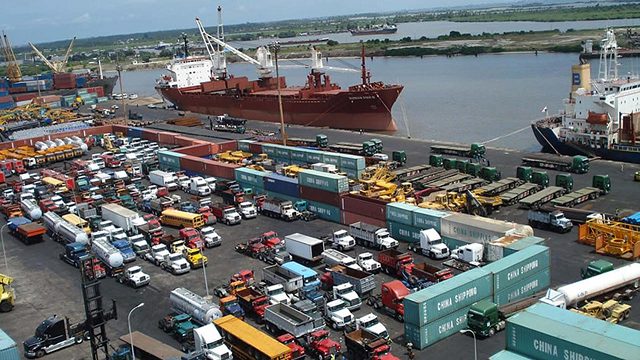
APM Terminals Apapa recorded a 6% increase in export volumes in the first half of 2026, reinforcing its commitment to supporting Nigeria’s non-oil export sector and improving access for local exporters to international markets, The terminal disclosed this in a statement, attributing the growth to the resilience of Nigerian exporters and a series of operational and service improvements introduced to facilitate export trade.
The Managing Director of APM Terminals Apapa, Kamal Alhraishat, said exports through the terminal had maintained a positive growth trajectory over the past five years, “Over the last five years, exports through our terminal have maintained a positive growth trajectory. The terminal recorded a six per cent increase in export volumes in the first half of 2026,” Alhraishat said.
He explained that the increase reflected both the ability of Nigerian exporters to withstand operational challenges and targeted improvements implemented by the terminal to simplify cargo movement and improve access to global markets, Among the measures introduced are dedicated export lanes at the terminal gate, which are designed to accelerate access for export cargo.
Alhraishat also highlighted the terminal’s rail connectivity as another measure aimed at improving the efficiency and predictability of cargo transportation, According to him, the rail connection between Lagos and Moniya in Ibadan operates three times a week, giving exporters an alternative to road transportation and reducing their exposure to traffic congestion along the Apapa corridor and interstate routes, The terminal also handles export cargo through the Ebute Metta rail corridor, allowing goods from different parts of Lagos to reach the port while helping exporters reduce road congestion and transit times.
The Issues
Nigeria has continued to push for greater diversification of its export earnings away from crude oil, making efficient port infrastructure and logistics increasingly important to the growth of the non-oil export sector, For exporters, delays in moving agricultural and other time-sensitive products to ports can increase costs, affect product quality and reduce competitiveness in international markets.
APM Terminals said improving cargo movement is therefore critical to ensuring Nigerian products reach global markets efficiently, The Head of Commercial at APM Terminals Apapa, Kayode Olufemi-Daniel, noted that time is particularly important for agricultural exports because delays along the supply chain can affect the quality of products and, in some cases, make them unsuitable for export, This makes reliable transportation, efficient port processes and effective coordination between exporters and government agencies critical to Nigeria’s export ambitions.
What’s Being Said
Alhraishat said the terminal’s objective goes beyond container handling, stressing that its operations are designed to make Nigerian exports faster and more competitive internationally, He said dedicated export lanes and rail connectivity were part of efforts to achieve this objective.
The terminal is also using its Exporters Forum, now in its third year, to bring together exporters, government agencies, shipping lines, logistics companies and other stakeholders, According to Alhraishat, the forum is designed to move beyond discussions by turning stakeholder feedback into practical measures that can improve efficiency across the export value chain.
Olufemi-Daniel said the initiative aligns with the Federal Government’s objective of developing an export-led economy, He added that APM Terminals Apapa would continue working with customers, government agencies and industry partners to identify opportunities for reducing delays and strengthening Nigeria’s export ecosystem.
What’s Next
APM Terminals Apapa is expected to continue expanding operational measures aimed at facilitating export cargo movement, including the use of dedicated export lanes and rail transportation, The terminal will also continue its engagement with exporters and other stakeholders through the Exporters Forum as it seeks practical solutions to challenges affecting the export value chain, The effectiveness of these measures will be important as Nigeria seeks to increase non-oil exports, reduce logistics bottlenecks and improve the competitiveness of locally produced goods in international markets.
Bottom Line
The 6% increase in export volumes at APM Terminals Apapa in H1 2026 signals continued activity in Nigeria’s non-oil export sector, while highlighting the importance of efficient logistics infrastructure, With exporters handling commodities such as soybeans, cashew nuts, cocoa, hibiscus flowers and solid minerals, improvements in port access, rail connectivity and cargo processing could help reduce logistics costs and strengthen Nigeria’s position in global markets.