






By Boluwatife Oshadiya | July 24, 2026
Key Points
- The United States has imposed new tariffs of 10% and 12.5% on imports from more than 80 countries, including Nigeria
- U.S. authorities said Nigeria failed to prohibit and enforce restrictions on imports made with forced labour
- Oil, gas and fertiliser exports are exempt from the new tariff measures
Main Story
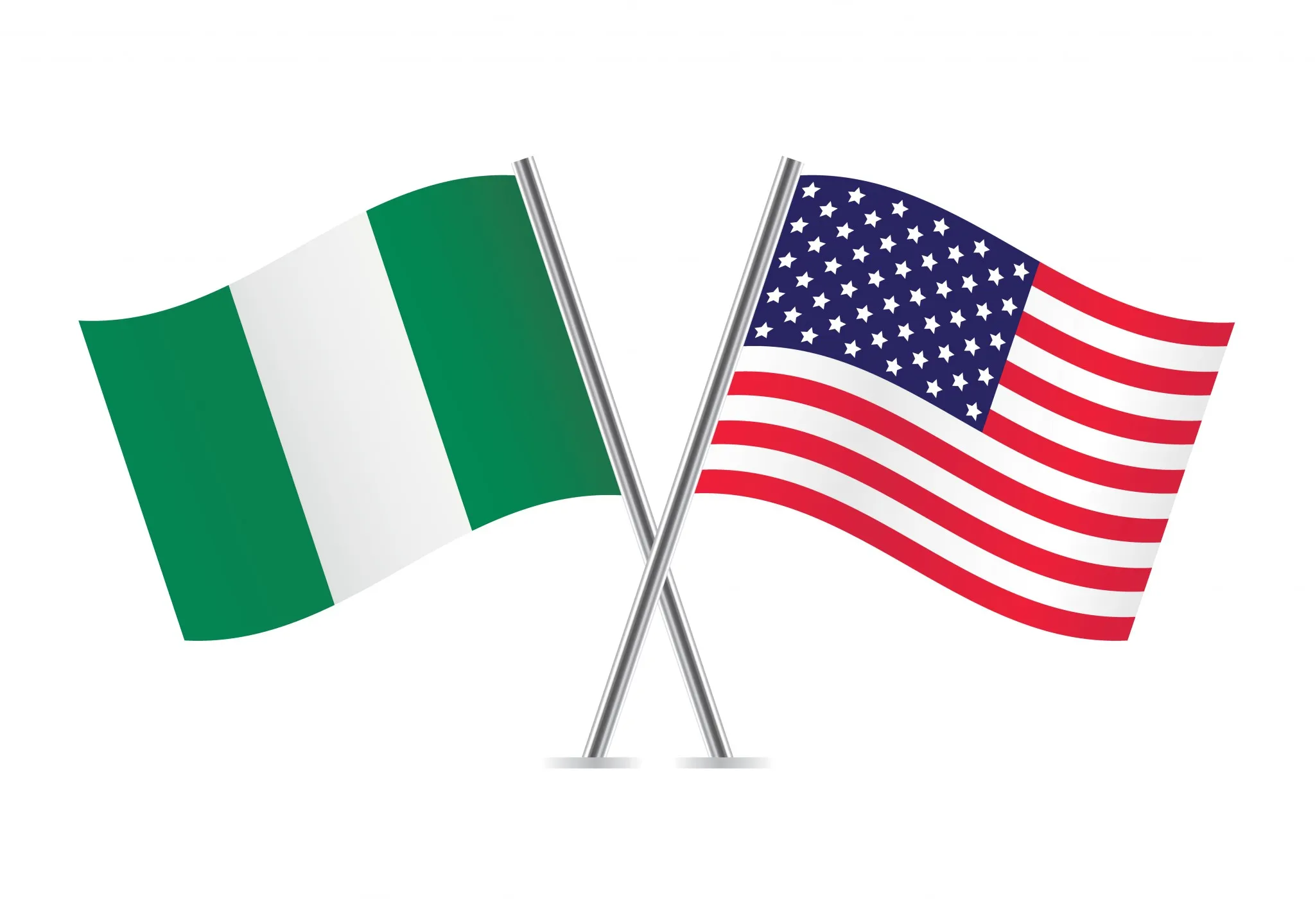
The United States has imposed fresh tariffs ranging between 10% and 12.5% on imports from more than 80 countries, including Nigeria, after concluding that the country has failed to adequately prohibit and enforce restrictions against goods produced with forced labour.
The tariffs, which take effect at 12:01 a.m. Friday, replace the global 10% duty introduced earlier by U.S. President Donald Trump. According to the Office of the U.S. Trade Representative (USTR), the measures follow a five-month investigation into whether America’s trading partners have effectively prevented forced labour products from entering their supply chains.
The USTR found that Nigeria was among 54 economies that have not established or effectively enforced legal prohibitions on the importation of goods produced wholly or partly with forced labour.
“The following 54 economies have failed to impose a legal prohibition on the importation of goods produced wholly or in part with forced labour and to effectively enforce such a prohibition,” the USTR said in its investigation report.
According to the report, Nigeria’s failure to implement and enforce a forced labour import ban was deemed “unreasonable” and one that burdens or restricts U.S. commerce.
The U.S. government said its investigation concluded that Nigeria’s trade practices regarding forced labour create an uneven competitive environment for American businesses and undermine global efforts to eliminate exploitative labour practices.
While the new tariffs apply to a broad range of imports, the U.S. said oil and gas exports as well as fertiliser will remain exempt from the measures.
The action comes as international attention continues to focus on forced labour in global supply chains. According to estimates by the International Labour Organization (ILO), approximately 27.6 million people worldwide were living in forced labour conditions in 2021, with 86% occurring within the private sector.
The U.S. argues that goods produced through forced labour distort international trade by lowering production costs unfairly while undermining workers’ rights across global markets.
What’s Being Said
“The United States has had a forced labour import ban for nearly a century and rigorously enforces it; it’s well past time for our trading partners to do the same. Today’s action will begin to correct what is both a human rights abuse and a distortive trade practice to improve the welfare of workers everywhere,” said Jamieson Greer, U.S. Trade Representative.
The International Labour Organization has also maintained that eliminating forced labour remains both a human rights and economic priority, noting that millions of workers continue to be exploited across global supply chains despite international commitments.
What’s Next
- The new tariffs officially take effect on Friday and will apply to covered imports entering the United States.
- Nigeria may face increased pressure to strengthen customs regulations and enforce stricter controls on goods linked to forced labour.
- Exporters trading with the U.S. are expected to assess the impact of the new tariff regime and possible compliance requirements.
The Bottom Line: The U.S. tariffs signal a tougher approach to enforcing labour standards through trade policy. Although Nigeria’s major oil and gas exports remain exempt, the decision could increase scrutiny of the country’s manufacturing and non-oil export sectors while adding another layer of pressure to improve trade compliance and labour governance.