










Key points
- ICEED says cost-reflective electricity tariffs are essential to improve power supply and attract investment.
- The organisation estimates Nigeria spent about N3 trillion on electricity subsidies in the past year.
- It says wealthier households receive a disproportionate share of electricity subsidies.
- ICEED calls for targeted social protection and clearer coordination between NERC and state regulators.
Main story

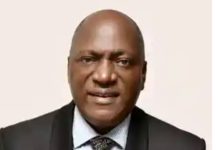
The Executive Director of the International Centre for Energy, Environment and Development (ICEED), Mr Ewah Eleri, has said Nigeria must adopt cost-reflective electricity tariffs to improve power supply, attract investment and build a financially sustainable electricity sector.
Eleri said this in an interview with the News Agency of Nigeria (NAN) in Abuja, arguing that the current tariff regime does not reflect the actual cost of supplying electricity and continues to discourage investment in the sector.
According to him, while Nigeria has sufficient electricity generation capacity, weaknesses in the transmission grid prevent the country from delivering all the power it produces.
“Although we have enough generation capacity, the grid cannot deliver all the electricity produced. Cost-reflective tariffs will not only improve delivery but also encourage new investments in both fossil-fuel and renewable energy generation,” he said.
Eleri also criticised Nigeria’s electricity subsidy framework, describing it as inequitable and financially unsustainable.
He said research conducted by ICEED showed that Nigeria spent about N3 trillion on electricity subsidies over the past year, with the bulk of the benefits going to higher-income households.
According to the findings, the wealthiest 10 per cent of households received more than half of the subsidy benefits, while the poorest 40 per cent received only a small share.
“We are effectively subsidising the rich instead of protecting vulnerable households,” he said.
Eleri noted that the removal of petrol subsidies demonstrated that energy sector reforms could also deliver environmental benefits, saying reduced vehicle usage had contributed to lower greenhouse gas emissions.
He commended the implementation of the Electricity Act, saying it had enabled states to establish their own electricity markets and regulatory agencies.
According to him, about 15 states have already created electricity regulatory commissions to oversee power services within their jurisdictions.
However, he stressed the need for clearer regulatory coordination between the Nigerian Electricity Regulatory Commission (NERC) and state regulators to prevent overlapping responsibilities, particularly in tariff setting.
He also said state electricity regulators would require stronger institutional capacity, technical expertise and adequate funding to regulate markets effectively, resolve disputes and attract investment.
Eleri urged the Federal Government to accompany electricity reforms with targeted social protection measures to cushion the impact of tariff increases on vulnerable households.
He recommended a phased implementation approach that would allow low-income communities sufficient time to adjust while supporting the long-term sustainability of the electricity sector.
Although he acknowledged ongoing government efforts to reform electricity subsidies, Eleri said Nigeria needed a long-term strategy to eliminate harmful subsidies that continue to constrain investment in the power sector.
He added that while such reforms may prove politically challenging during an electoral cycle, they remain necessary to secure the long-term growth of Nigeria’s electricity industry and the wider economy.
The issues
Nigeria’s electricity sector continues to struggle with inadequate investment, weak transmission infrastructure and subsidy-related fiscal pressures. Analysts say achieving cost-reflective tariffs while protecting vulnerable consumers remains one of the sector’s biggest policy challenges.
What’s being said
“Cost-reflective tariffs will not only improve delivery but also encourage new investments in both fossil-fuel and renewable energy generation.” — Ewah Eleri, Executive Director, ICEED
What’s next
The Federal Government is expected to continue reviewing electricity subsidy policies as it seeks to strengthen the financial viability of the power sector while balancing affordability concerns for consumers.
Bottom line
ICEED says Nigeria’s electricity sector requires cost-reflective tariffs, targeted subsidies and stronger regulation to attract investment, improve power supply and ensure long-term sustainability.









, Mr Ewah Eleri, has said ...)