





Key points
- Emir of Kano says reliable electricity is essential for industrialisation and economic growth.
- He identifies underinvestment, poor infrastructure and regulatory uncertainty as major obstacles.
- Sanusi calls for greater investment in gas and renewable energy.
- He cites Geometric Power as evidence of electricity’s impact on economic development.
Main story
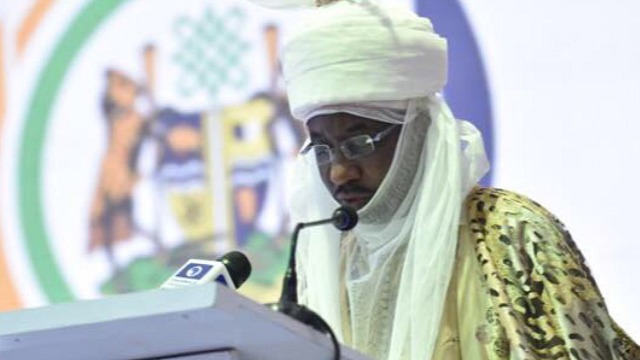
The Emir of Kano, Muhammadu Sanusi II, has said Nigeria’s inability to provide reliable, affordable and sustainable electricity remains the country’s greatest obstacle to industrialisation, economic growth and national development.
Speaking at the birthday symposium of former Minister of Power and Chairman of Geometric Power Group, Barth Nnaji, in Enugu, Sanusi described energy security as the foundation of a productive economy, saying countries without dependable electricity face lower productivity, higher business costs and slower development.
He said stable and affordable power enables businesses of all sizes to expand operations, improve efficiency and plan for long-term growth, while also supporting critical sectors such as healthcare, education, transportation and information technology.
Citing International Monetary Fund data, the former Central Bank governor said energy security plays a significant role in macroeconomic stability, industrial competitiveness and inflation, warning that even short disruptions in electricity supply can weaken economic growth.
Sanusi argued that Nigeria risks falling behind as the global economy shifts towards electric vehicles and cleaner technologies unless policymakers take deliberate steps to close the country’s energy gap.
He advocated an energy transition that combines Nigeria’s abundant natural gas resources with increased investment in renewable energy sources such as solar and wind.
According to him, decades of inadequate electricity supply have constrained industrial expansion and forced households and businesses to depend heavily on generators, increasing production costs and exposing millions of Nigerians to harmful emissions.
Sanusi identified underinvestment, infrastructure vandalism, corruption, regulatory uncertainty, sector illiquidity and the absence of cost-reflective tariffs as key factors discouraging investment in the electricity sector.
He also said Nigeria’s transmission and distribution networks lack the capacity to deliver stable power, contributing to frequent grid failures and significant technical and commercial losses.
Highlighting the scale of the challenge, Sanusi said Nigeria would need deep structural reforms to bridge its estimated $100 billion power infrastructure funding gap.
He pointed to Geometric Power’s operations in Abia State as evidence of how reliable electricity can stimulate economic transformation, adding that strong financial and regulatory institutions remain essential for building a sustainable electricity market.
The issues
Nigeria’s persistent electricity shortages continue to undermine industrial productivity, increase business costs and limit economic competitiveness despite years of reforms and investment in the power sector.
What’s being said
“Energy security and national development are inextricably linked. A reliable, affordable and sustainable energy supply is the foundational driver of economic growth, industrialisation and poverty reduction.” — Muhammadu Sanusi II, Emir of Kano
What’s next
Sanusi says closing Nigeria’s electricity gap will require structural reforms, increased investment in power infrastructure and policies that encourage both conventional and renewable energy development.
Bottom line
The Emir argues that resolving Nigeria’s long-standing electricity challenges is critical to unlocking industrial growth, attracting investment and delivering broad-based economic development.