Key points
- Logistics operators are facing rising costs due to poor road infrastructure and high diesel prices.
- About 90 per cent of freight movement in Nigeria still depends on road transport.
- Stakeholders say logistics inefficiencies are contributing to inflation, supply chain disruptions and food losses.
- Calls have been made for greater private-sector involvement in road development and expansion of multimodal transport systems.
Main story
Stakeholders in Nigeria’s transport and logistics sector have called for urgent investment in road infrastructure, lower energy costs and the development of alternative transport systems, warning that mounting operational challenges are undermining efficiency and driving up costs across the economy.
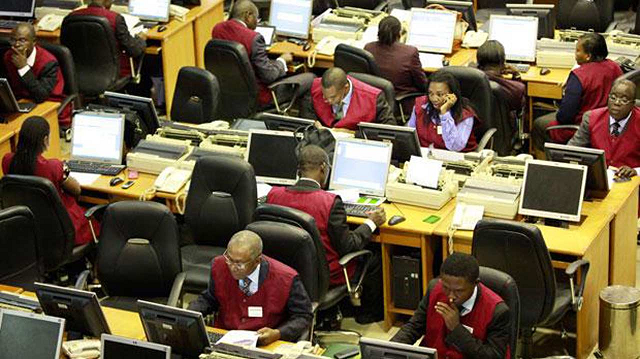
The concerns were raised at the 10th anniversary lecture of City Business News in Lagos, where industry leaders examined the challenges confronting Nigeria’s logistics and transport value chain.
President of the Chartered Institute of Logistics and Transport (CILT) Nigeria, Dr Boboye Oyeyemi, said the country’s heavy dependence on road transport had made the sector particularly vulnerable to deteriorating road conditions and rising fuel costs.
According to him, road transport currently accounts for about 90 per cent of freight movement in Nigeria, placing enormous pressure on a network that continues to suffer from inadequate maintenance and infrastructure deficits.
Oyeyemi said weak infrastructure and inconsistent policy implementation were increasing operating costs for logistics companies, with wider consequences for businesses and consumers.
He noted that inefficiencies in the logistics system were contributing to supply chain disruptions, post-harvest losses and rising food prices, ultimately worsening inflationary pressures across the economy.
The stakeholders argued that improving transport infrastructure and reducing logistics costs would not only strengthen business competitiveness but also help stabilise prices and improve the movement of goods nationwide.
The event brought together regulators and industry players, including representatives of the Nigerian Ports Authority, the Nigeria Customs Service and other maritime agencies.
The issues
Nigeria’s logistics sector remains heavily reliant on road transportation despite repeated calls for greater investment in rail, inland waterways and other transport alternatives.
Stakeholders said poor road conditions increase vehicle maintenance costs, lengthen travel times and reduce the efficiency of freight movement across the country.
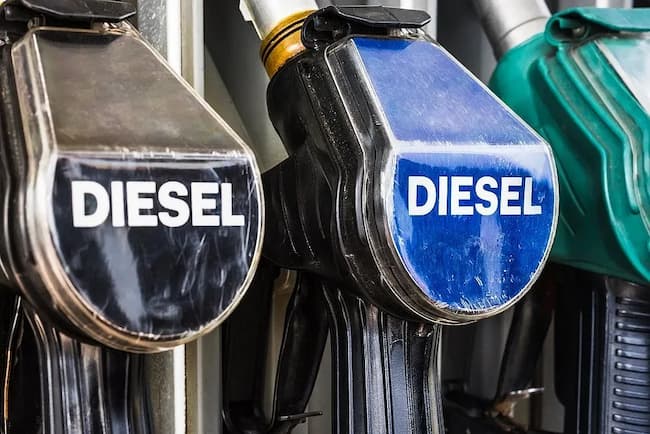
They also identified rising diesel prices as a major challenge, particularly for logistics operators whose businesses depend on transporting goods over long distances.
According to them, the resulting increase in transportation costs is often passed on to consumers, contributing to higher prices for goods and services.
Industry leaders further warned that logistics bottlenecks are weakening the competitiveness of manufacturers and increasing the cost of doing business in Nigeria.
What’s being said
“Logistics is very critical. Everything you want to do needs planning.” — Dr Boboye Oyeyemi, President, Chartered Institute of Logistics and Transport (CILT) Nigeria
“When diesel prices surge, the engine room begins to choke.” — Dr Boboye Oyeyemi, President, CILT Nigeria
“The Federal Government should hand off road development to the private sector.” — Frank Nneji
What’s next
Stakeholders are pushing for increased investment in transport infrastructure, particularly road rehabilitation and the expansion of multimodal transport networks that integrate rail, road and maritime transport.
There are also calls for the government to explore tolling and concession arrangements that would encourage private-sector participation in road development and maintenance.
Industry players say stronger collaboration between government agencies and private operators will be needed to improve logistics efficiency and support economic growth.
Bottom line
Industry leaders warn that unless Nigeria addresses poor road infrastructure, high energy costs and logistics bottlenecks, transportation expenses will continue to rise, with consequences for inflation, food prices, business competitiveness and economic growth.