




Key points
- Public health experts say infectious disease outbreaks are affecting livelihoods, education and community well-being, not just health outcomes.
- Families often face rising healthcare costs, lost income and disruptions to daily life during outbreaks.
- Experts warn that misinformation and weak community trust can undermine disease control efforts.
- Stakeholders are calling for stronger investments in healthcare, sanitation, surveillance and public awareness.
Main story
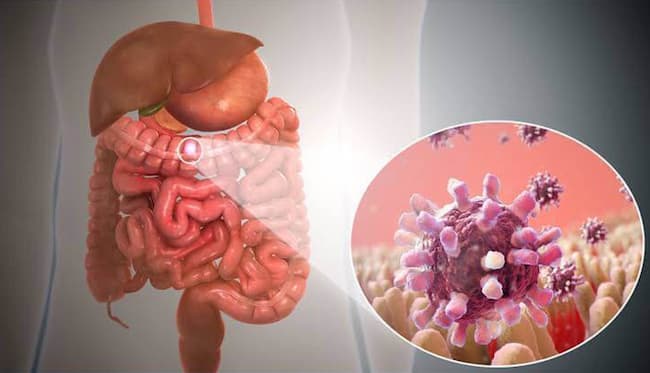
Public health experts have warned that recurring outbreaks of infectious diseases in Nigeria are imposing mounting social and economic costs on households and communities, as the country continues to record cases of Lassa fever, cholera and other communicable diseases.
The experts, who spoke separately with the News Agency of Nigeria (NAN) in Abuja on Friday, said the consequences of outbreaks extend beyond illness and deaths, affecting family incomes, education, business activities and overall community wellbeing.
Their concerns come amid continued reports from the Nigeria Centre for Disease Control and Prevention (NCDC) showing the persistence of infectious disease outbreaks in different parts of the country.
According to the experts, many families are forced to divert limited resources to medical treatment, transportation and caregiving whenever outbreaks occur. In some cases, households are compelled to borrow money, sell assets or withdraw children from school to cope with the financial burden.
They noted that outbreaks also disrupt economic activities, as markets experience reduced patronage, workers stay away from jobs due to illness and businesses struggle with lower productivity. The impact is often more severe in low-income communities where access to healthcare remains limited.
The experts further warned that repeated disease outbreaks could undermine development gains if investments in disease prevention, surveillance and primary healthcare systems are not strengthened.
Residents of some communities in the Federal Capital Territory (FCT) echoed these concerns, describing how outbreaks have increased healthcare expenses and affected business activities. Some said fear of infection often discourages travel and public gatherings, leading to lower commercial activity and additional pressure on household finances.
The experts stressed that while outbreaks are usually viewed as health emergencies, their effects are ultimately felt across homes, schools, workplaces and local economies.
The issues
According to public health specialists, the consequences of disease outbreaks are often felt most severely at the household and community levels.
They said vulnerable groups, including women, children, older persons and residents of underserved communities, face greater risks because of limited healthcare access.
Experts also warned that misinformation, distrust of public institutions and delayed reporting of symptoms can hamper efforts to contain outbreaks and prevent wider transmission.
In addition, inadequate water, sanitation and hygiene infrastructure continues to increase the risk of disease spread in many communities.
What’s being said
“Outbreaks affect entire communities, not just those who become infected. Families may sell assets, withdraw children from school or take loans to cope with healthcare expenses.” — Dr Amina Yusuf, Public Health Specialist
“Communities are the first line of defense during outbreaks. When people trust health authorities and receive accurate information, they are more likely to report symptoms early and adopt preventive measures.” — Dr Gabriel Adakole, Public Health Expert
“Whenever there is an outbreak, people become more cautious about travelling and gathering in public places. Businesses suffer and families spend more on staying healthy.” — Mrs Grace Okeke, trader
“Sustained collaboration among governments, development partners, healthcare workers and community members remains essential to protecting lives and reducing the growing burden of disease outbreaks.” — Mrs Chika Offor, Chief Executive Officer, Vaccine Network for Disease Control (VNDC)
What’s next
Experts are urging governments at all levels to strengthen disease surveillance systems, improve access to primary healthcare and invest more in water, sanitation and hygiene infrastructure.
They also called for stronger community engagement through local leaders, religious institutions and community-based organisations to improve public awareness and encourage early reporting of symptoms.
Stakeholders further stressed the importance of vaccination campaigns, health education programmes and rapid response mechanisms to contain future outbreaks before they escalate.
Bottom line
Health experts say infectious disease outbreaks are no longer just public health emergencies but also social and economic challenges that affect families, businesses and communities. They argue that stronger prevention measures, improved healthcare systems and greater community participation are critical to reducing the long-term burden of outbreaks across Nigeria.