








Key points
- The Nigerian Ports Authority (NPA) and Nigeria Police Force have launched a coordinated operation to eliminate illegal checkpoints and extortion points along Apapa and Tin Can Island port corridors.
- Police authorities denied authorising any roadblocks on the port access routes and warned that erring officers would face disciplinary action.
- A joint task force has been established to improve traffic flow, streamline cargo movement, and enhance operational efficiency within the port corridors.
Main story
The Nigerian Ports Authority (NPA) and the Nigeria Police Force have commenced a coordinated crackdown on illegal checkpoints and unauthorised roadblocks along the Apapa and Tin Can Island port corridors in Lagos, as part of efforts to ease congestion, curb extortion, and improve cargo evacuation from the nation’s busiest seaports.
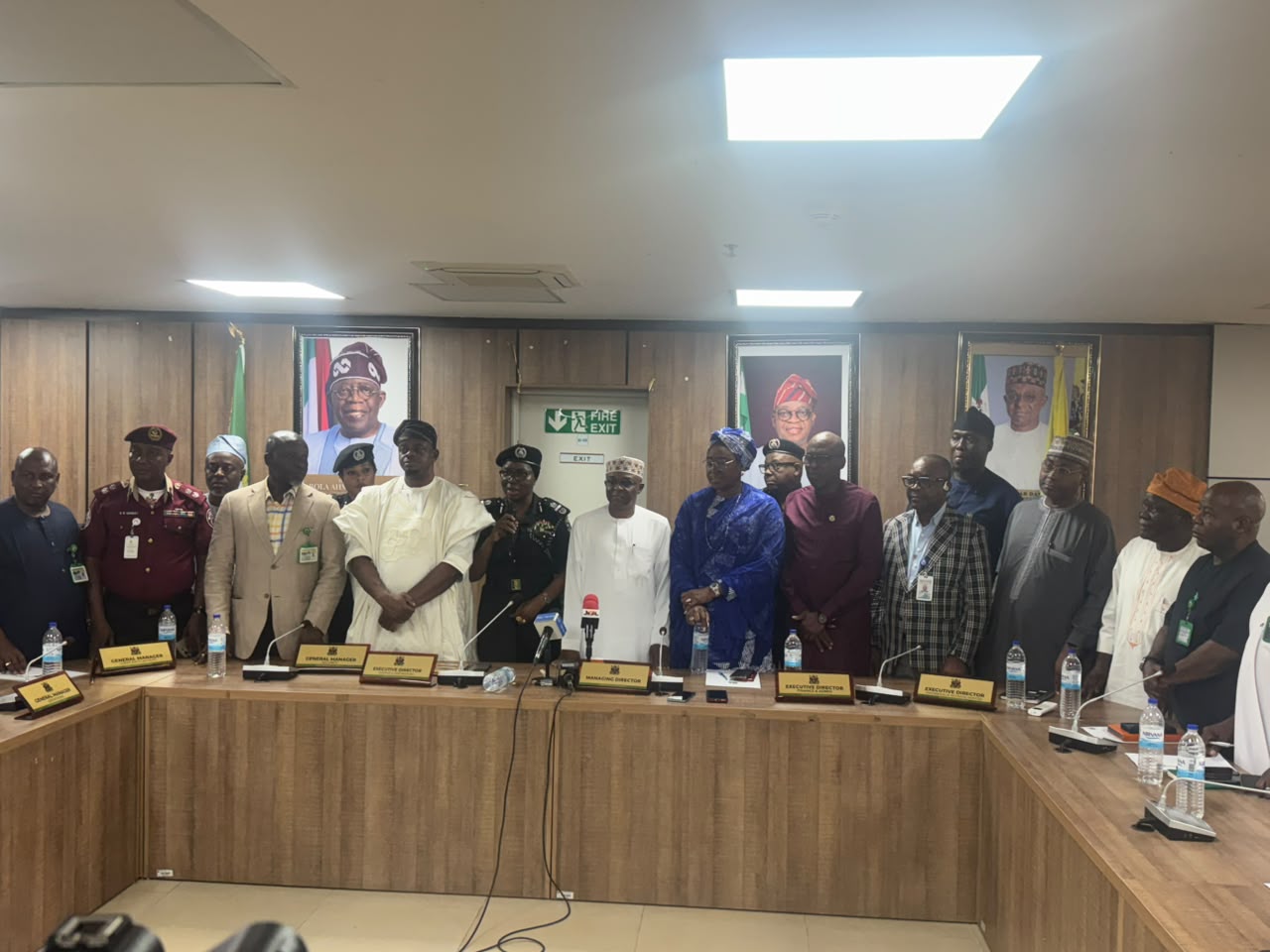
The initiative was unveiled following a high-level stakeholders’ meeting convened by the Managing Director of the Nigerian Ports Authority, Abubakar Dantsoho, and attended by representatives of security agencies, freight forwarders, transport unions, and government institutions.
Speaking at the meeting, Dantsoho disclosed that investigations conducted by the authority revealed widespread operational challenges along the port access corridors, including illegal extortion points, traffic bottlenecks, and overlapping security responsibilities that continue to hinder efficient movement of cargo.
“We have established that there are issues around extortion and operational disruptions along the corridor, which are outside the immediate port environment,” he said.
According to him, the challenges extend beyond the port gates to critical logistics routes around Berger, Mile 2, and other major roads linking the ports to the hinterland.
The NPA boss noted that the authority remains committed to addressing obstacles affecting the ease of doing business and improving the competitiveness of Nigerian ports.
The issues
For years, stakeholders within Nigeria’s maritime sector have raised concerns over the proliferation of illegal checkpoints, multiple security inspections, and extortion along port access roads.
The situation has contributed to persistent traffic congestion, increased logistics costs, delays in cargo delivery, and operational inefficiencies affecting importers, exporters, truck operators, and freight forwarders.
Industry operators have also expressed concerns over jurisdictional overlaps among security agencies, which often create confusion regarding enforcement responsibilities and accountability.
These challenges have undermined efforts to improve port efficiency and position Nigerian ports as preferred trade gateways within the West African sub-region.
What’s being said
Dantsoho identified jurisdictional conflicts between the Maritime Police Command and the Lagos State Police Command as one of the issues discussed during the meeting.
He said both police formations clarified that they had not authorised any personnel to establish checkpoints or roadblocks along the Apapa and Tin Can corridors.
“The AIG Maritime Police has clearly stated that they do not send anybody to form roadblocks or checkpoints on the corridor. Equally, the Lagos State Police Command has made the same position clear,” he said.
Also speaking, Assistant Inspector-General of Police in charge of Maritime Operations, Okunade Ronke, firmly denied allegations that police officers were officially deployed to checkpoints within the port environment.
“We have never posted officers to any checkpoint around the port environment. Any individual claiming to be deployed from the Maritime Police or Zone 2 while engaging in extortion is acting fraudulently,” she said.
Ronke assured stakeholders that complaints against any officer involved in illegal activities would be investigated and appropriate sanctions imposed.
Representatives of maritime transport associations and freight forwarding groups welcomed the intervention, describing it as a critical step towards ending years of harassment, extortion, and operational disruptions within the port corridors.
What’s next
Stakeholders at the meeting agreed to establish a joint task force comprising representatives of the Lagos State Government, Nigerian Ports Authority, Nigeria Police Force, freight forwarders, and transport operators.
The task force will be responsible for eliminating illegal checkpoints, improving traffic management, strengthening inter-agency collaboration, streamlining cargo evacuation processes, and monitoring compliance with agreed operational standards.
Additionally, a broader monitoring committee comprising government agencies, transport unions, and maritime stakeholders will be established to develop enforcement guidelines and ensure ongoing oversight of activities along the corridors.
Dantsoho expressed optimism that the collaborative approach would strengthen Nigeria’s port system and enhance its competitiveness within the region.
“Our emphasis is that we are going to function better in our practices so that we can outperform neighbouring countries,” he said.
Bottom line
The joint intervention by the Nigerian Ports Authority and the Nigeria Police Force represents a significant step towards addressing longstanding operational challenges along the Apapa and Tin Can Island port corridors. By eliminating illegal checkpoints, curbing extortion, and strengthening stakeholder collaboration, authorities aim to enhance cargo movement, reduce logistics costs, improve port efficiency, and bolster Nigeria’s position as a leading maritime hub in West Africa.







 and the Nigeria Police Force have commenced a coordinated crackdown on illegal checkpoints and...)