




Key points
- LPG prices have surged from about N1,000–N1,300 per kilogram to N2,000–N2,500 per kilogram.
- Households are adjusting cooking patterns, with some reducing usage or switching to cheaper alternatives.
- Rising prices are driven by supply constraints, forex pressures, logistics costs and higher demand.
- Industry operators say global market conditions are also influencing local LPG prices.
- Experts warn that sustained increases may push some households toward charcoal and firewood.
Main Story
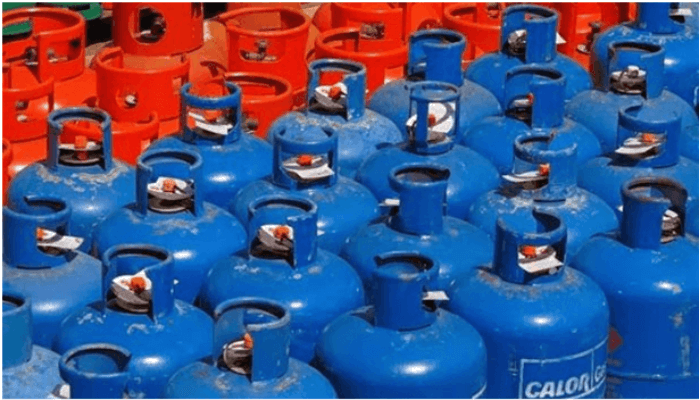
Rising cooking gas prices are reshaping household energy use across Nigeria, as families adjust cooking habits and budgets to cope with the increasing cost of Liquefied Petroleum Gas (LPG), commonly used for domestic cooking.
Across major cities, LPG prices have climbed sharply from about N1,000 to N1,300 per kilogram earlier in the year to between N2,000 and N2,500 per kilogram, adding fresh pressure to household finances already strained by inflation, food costs and transport expenses. A survey by the News Agency of Nigeria (NAN) in Lagos on Sunday showed that many households are now revising when and how they cook, with some reducing gas consumption or switching to alternative fuels to manage costs. Residents say the impact is already reflected in daily living patterns.
A trader at Adaranijo Market in Bariga, Mrs Adejoke Saliu, said refilling her cooking gas cylinder has become significantly more expensive. “Last year, refilling my 12.5kg cylinder cost around N15,000. Today, I spend more than N25,000 depending on where I buy it,” she said. Similarly, an Ikorodu resident, Mrs Bose Adeyemi, said her household now cooks larger meals at once to reduce gas usage. “We now cook larger meals at once to conserve gas and avoid frequent refilling,” she said.
At current prices, a 12.5kg cylinder now costs between about N25,000 and N31,250 depending on the market rate, making cooking gas a growing expense for low-income households. In Surulere, resident Mr Segun Adebayo said more families are buying gas in smaller quantities to manage rising costs. “Many people now buy gas in two or three kilograms just to manage their monthly budgets,” he said. Industry operators attribute the price surge to supply constraints, foreign exchange volatility, logistics costs, storage limitations and rising demand.
President of the Nigerian Association of Liquefied Petroleum Gas Marketers (NALPGAM), Mr Edu Inyang, said marketers are currently paying higher depot prices, which are ultimately passed on to consumers. He noted that retail prices in some areas now range between N2,000 and N2,500 per kilogram.
Similarly, the Liquefied Petroleum Gas Retailers Association of Nigeria (LPGAR) said international market conditions continue to play a major role in local pricing. Its Chairman, Mr Ayobami Olarinoye, said LPG prices cannot be insulated from global energy market dynamics and supply disruptions. He called for increased investment in LPG infrastructure, particularly storage and distribution systems, to stabilise supply and meet growing demand.
Retailers are also feeling the pressure. A gas retailer in Ikeja, Mr Austin Simon, said operational costs have risen sharply across the value chain. “Transportation, haulage, depot charges and operational expenses have all increased,” he said. Energy experts warn that prolonged price increases could reshape household energy choices, with some families likely to revert to cheaper but less clean alternatives. Energy economist Dr Tunde Akinola said affordability remains central to cooking fuel decisions. “When cooking gas becomes expensive, households naturally look for alternatives such as charcoal and firewood,” he said.
He urged improvements in supply efficiency and distribution networks to stabilise prices and support access to cleaner energy. The impact is also being felt by small businesses. A restaurant owner in Somolu, Mrs Yetunde Hassan, said rising costs are affecting operations. “We cannot continue absorbing these costs,” she said.
Stakeholders continue to call for expanded local production, better storage capacity and stronger distribution systems to support Nigeria’s LPG value chain. As prices remain elevated, households and businesses are increasingly adapting their cooking patterns and budgeting strategies to cope with the shifting energy landscape.
The Issues
- Sharp increase in domestic LPG prices
- Supply and forex-related cost pressures
- Weak storage and distribution infrastructure
- Rising operational costs for retailers and businesses
- Risk of shift to less clean energy sources
What’s Being Said
- “Last year, refilling my 12.5kg cylinder cost around N15,000. Today, I spend more than N25,000 depending on where I buy it,” said Bariga trader, Mrs Adejoke Saliu, while describing rising household fuel costs.
- “We now cook larger meals at once to conserve gas and avoid frequent refilling,” said Ikorodu resident, Mrs Bose Adeyemi, while explaining adjustments in cooking patterns.
- “Many people now buy gas in two or three kilograms just to manage their monthly budgets,” said Surulere resident, Mr Segun Adebayo, while noting shifts in consumer purchasing behaviour.
- “Transportation, haulage, depot charges and operational expenses have all increased,” said Ikeja retailer, Mr Austin Simon, while highlighting rising business costs.
What’s Next
- Continued monitoring of LPG price trends across major cities
- Possible increase in government and industry calls for supply stabilisation
- Expansion of infrastructure discussions around storage and distribution
- Potential shift in household energy consumption patterns
Bottom Line
Rising LPG prices are placing growing pressure on Nigerian households and businesses, forcing changes in cooking behaviour and raising concerns about a possible shift away from cleaner cooking energy sources.