










By Boluwatife Oshadiya | June 5, 2026
Key Points
- The naira weakened slightly to ₦1,358.75 per dollar at the official market.
- Nigeria’s gross external reserves approached the $50 billion mark, their highest level since 2009.
- Improved reserve levels continue to support confidence in the country’s foreign exchange outlook.
Main Story
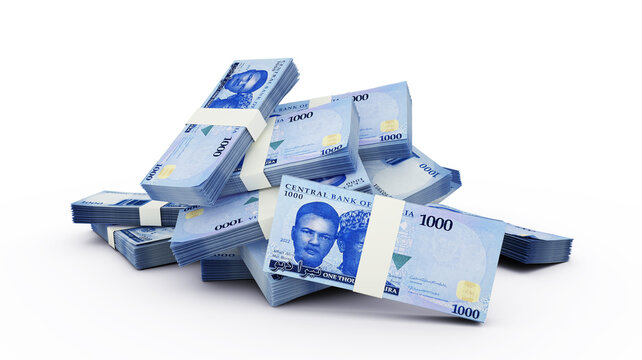
The naira depreciated marginally against the U.S. dollar at the Nigerian Foreign Exchange Market (NFEM) on Thursday as demand for foreign exchange outpaced available supply.

Data released by the Central Bank of Nigeria showed that the official exchange rate weakened by 0.11% to ₦1,358.75 per dollar from ₦1,357.27 recorded in the previous session.
During trading, the currency exchanged between ₦1,356.75 and ₦1,361.50 per dollar, while total market turnover stood at $128.12 million across 121 deals, compared with $133.73 million recorded a day earlier.
In contrast, the naira strengthened slightly in the parallel market, trading around ₦1,370 per dollar.
The development comes as Nigeria’s gross external reserves moved closer to the $50 billion threshold, a level not seen since 2009. The Central Bank of Nigeria recently disclosed that net foreign exchange reserves increased to $34.8 billion at the end of 2025, supported by policy reforms and a reduction in foreign exchange obligations.
Analysts believe stronger oil revenues, improved capital inflows, and tighter foreign exchange management have contributed to the reserve build-up.
“The improvement in reserve buffers provides additional support for exchange rate stability and strengthens investor confidence in Nigeria’s external position,” analysts said in market commentary.
The Issues
Nigeria’s foreign exchange market has undergone significant reforms since 2023, including efforts to unify exchange rates and improve liquidity. Despite improvements in reserves, the market continues to face periodic supply-demand imbalances that create short-term pressure on the naira.
The sustainability of reserve growth remains closely linked to global crude oil prices and Nigeria’s ability to increase export earnings.
What’s Being Said
“The increase in net foreign exchange reserves reflects the impact of deliberate policy measures aimed at strengthening external buffers,” the Central Bank of Nigeria stated.
“Reserve accumulation and stronger oil receipts could support a more stable currency environment in 2026,” investment analysts noted.
What’s Next
- Investors will monitor future CBN interventions aimed at improving FX market liquidity.
- Market participants are watching crude oil prices for their impact on reserve accumulation.
- Further reserve growth could strengthen confidence in the naira’s medium-term outlook.
The Bottom Line: Nigeria’s growing external reserves provide an important cushion for the economy and strengthen confidence in the foreign exchange market. However, sustaining exchange rate stability will depend on continued inflows, oil revenue performance, and the success of ongoing market reforms.












 on Thursday as demand for foreign...)