










Key points
- The Federal Government has launched national guidelines for interconnecting solar mini-grids to distribution networks.
- Developed through NEMSA, the project received technical support from the German government and the European Union under the Nigerian Energy Support Programme.
- The initiative included the handover of procured solar testing equipment to NEMSA to support the country’s evolving mini-grid market.
- The new framework establishes comprehensive technical requirements, interconnection models, and operational standards to protect grid stability.
- European and German diplomats emphasized that maintaining and enforcing high technical standards is critical to securing private investments and protecting communities.
Main Story

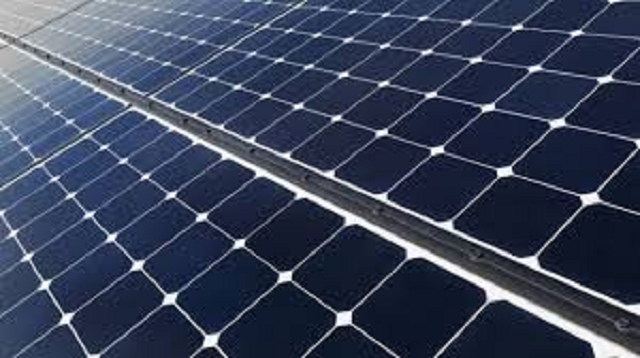
The Federal Government, through the Nigerian Electricity Management Services Agency (NEMSA), has launched national guidelines for interconnecting solar mini-grids to distribution networks.
The initiative was executed with technical support from the German government and the European Union (EU) under the umbrella of the Nigerian Energy Support Programme (NESP). The event, which took place in Abuja, also featured the formal handover of procured solar testing equipment to NEMSA, marking a step toward strengthening Nigeria’s evolving mini-grid market and expanding electricity access.
Speaking at the launch, the Managing Director and Chief Executive Officer of NEMSA, Olusegun Adesayo, described solar mini-grids as a critical solution for electrifying underserved and unserved communities across Nigeria. Adesayo noted that access to electricity remains fundamental to economic growth, social development, and national prosperity.
He explained that the ongoing expansion of interconnected solar mini-grids within the Nigerian Electricity Supply Industry (NESI) requires clear technical and operational frameworks to ensure safe, efficient, and sustainable integration into existing distribution networks.
According to the NEMSA chief, the new guidelines provide comprehensive procedures, technical requirements, interconnection models, and operational standards for integrating solar mini-grids without compromising grid stability, power quality, system reliability, and public safety. He added that the document would reduce uncertainties for investors and developers while strengthening collaboration among distribution companies, mini-grid developers, regulators, and other stakeholders.
The Permanent Secretary of the Federal Ministry of Power, Mahmuda Mamman, represented by Mustapha Abba, stated that renewable energy, particularly solar power, plays a strategic role in advancing the federal government’s objectives of expanding electricity access, improving energy security, and driving sustainable economic development.
Mamman noted that interconnected and isolated solar mini-grids are increasingly providing reliable electricity to communities and productive users that previously lacked adequate access to power. He commended NEMSA for its leadership in developing the guidelines and acknowledged the contributions of NESP, the EU, the Government of Germany, and GIZ to the project. According to him, the guidelines will strengthen investor confidence, reduce technical and regulatory uncertainties, improve system reliability, and support the sustainable integration of renewable energy solutions into Nigeria’s electricity network.
Earlier, the Head of Cooperation of the European Union Delegation to Nigeria, Massimo De Luca, stressed the importance of maintaining high technical standards as interconnected mini-grids continue to expand across the country.
Similarly, Dr. Karin Jasen, Head of Development Cooperation at the German Embassy to Nigeria, underlined Germany’s continued partnership with Nigeria in advancing sustainable energy access, strengthening institutions, and mobilising private investment.
The Issues
- Establishing standardized operational frameworks to seamlessly integrate private sector mini-grids into existing distribution networks.
- Minimizing technical and regulatory uncertainties to build long-term investor confidence in the domestic renewable energy sector.
- Ensuring full compliance with high technical safety standards to protect unserved and underserved consumer communities.
What’s Being Said
- Highlighting the operational necessity for structured frameworks as clean energy installations expand, Olusegun Adesayo stated: “Solar mini-grids have emerged as a critical solution for electrified, unserved and underserved communities across the country. However, as interconnected solar mini-grids continue to expand within NESI, there is an increasing need for clear technical and operational frameworks to ensure that these systems are integrated safely, efficiently and sustainably into existing distribution networks,”
- Expressing optimism about the economic impact of the newly introduced regulatory document, Adesayo noted: “We are confident that this document will significantly enhance investor confidence and accelerate the deployment of interconnected renewable energy systems across Nigeria,”
- Emphasizing the requirement for institutional coordination to manage market growth, Mahmuda Mamman stated: “As this segment of the electricity market continues to grow, it becomes imperative to establish clear technical and operational frameworks that will ensure safety, reliability and efficient coordination between solar mini-grid systems and existing distribution infrastructure,”
- Outlining the balance of standards required when linking private installations to distribution assets, Massimo De Luca explained: “As we see the model of interconnected mini-grids really taking shape in our country, we need to be mindful of the standards that we apply when we integrate a private sector-led mini-grid into the network of a distribution company.”
What’s Next
- NEMSA will deploy the newly received solar testing equipment to enforce the newly launched technical guidelines across the country.
- Mini-grid developers and distribution companies will begin aligning their interconnection designs with the approved regulatory models.
- The Ministry of Power and its international partners, including GIZ, will continue tracking the deployment of interconnected systems to measure impact on electricity access.
Bottom Line NEMSA, with technical backing from Germany and the EU, has launched national interconnection guidelines and acquired new solar testing equipment to standardize how solar mini-grids link to Nigeria’s distribution networks, aiming to reduce investor uncertainty and safely expand electricity access.











, has launched national guidelines for ...)