










Key Points
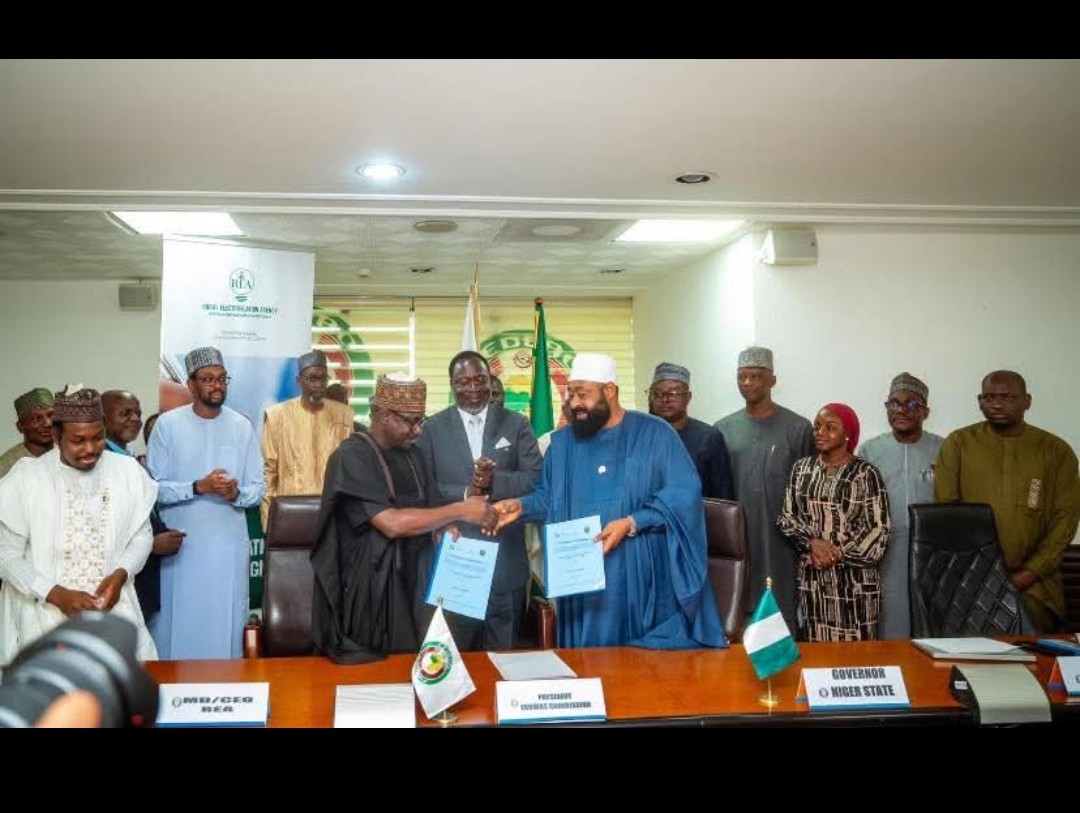
· The Rural Electrification Agency (REA), in partnership with ECOWAS, is set to begin implementing the Regional Off-Grid Electricity Access Project (ROGEAP) in Nigeria.
· A $700,000 grant from ECOWAS will be utilized to electrify public health and education facilities using solar photovoltaic (PV) systems.
· The grant agreement was officially signed in February 2026.
· The project aims to improve critical electricity access for social infrastructure across the country.
Main Story
The Rural Electrification Agency (REA) has announced that it is set to kickstart the implementation of the Regional Off-Grid Electricity Access Project (ROGEAP) in Nigeria, in partnership with the Economic Community of West African States (ECOWAS).
According to an official statement released via X on Tuesday, the initiative follows the signing of a grant agreement between both parties in February 2026.

The project represents a major step toward addressing the persistent electricity access gap within Nigeria’s public institutions.
Officials noted that the $700,000 ECOWAS grant will specifically support the electrification of public health and education facilities.
By deploying solar photovoltaic (PV) systems, the agency intends to provide reliable, renewable energy to critical social infrastructure.
The REA explained that this collaboration is a vital component of a broader regional strategy to scale up off-grid energy solutions and ensure that essential public services are not disrupted by power shortages.
The Issue
The primary challenge for Nigeria’s rural healthcare and education sectors is the “Reliability Gap.” Many clinics and schools operate without consistent power, which severely impacts the storage of life-saving vaccines, the use of medical equipment, and modern learning tools. While larger grid-based solutions remain slow to reach these areas, the ROGEAP framework offers a faster, decentralized alternative. However, the successful rollout of these systems requires sustained maintenance and local technical expertise to ensure the solar PV systems remain operational beyond the initial installation phase.
What’s Being Said
· The REA described the move as a “major step toward improving electricity access in public institutions.”
· Agency officials noted that the $700,000 grant would “aid the electrification of public health and education facilities in Nigeria using solar photovoltaic (PV) systems.”
· Stakeholders highlighted that the partnership with ECOWAS demonstrates a “coordinated regional effort” to tackle energy poverty.
· Proponents of the project emphasized that utilizing renewable energy for social infrastructure “supports both energy transition goals and public service delivery.”
What’s Next
· The REA is expected to move into the procurement and deployment phase, identifying the specific health and education facilities that will receive the solar installations.
· Technical teams from both the REA and ECOWAS will likely conduct on-site assessments to determine the energy load requirements for each selected institution.
· The agency will focus on establishing long-term maintenance frameworks involving local communities and facility managers.
· Further progress reports on the implementation of ROGEAP are anticipated as the project scales across Nigeria’s underserved corridors.
Bottom Line
The $700,000 ECOWAS grant provides a critical fiscal boost to Nigeria’s off-grid ambitions. By targeting health and education, the REA is ensuring that the most vital segments of society are the first to benefit from the ongoing transition to solar energy.





 has announced that it is set to kickstart the implementation of the Regional Off-Grid Electricity)