







Key Points
- Nigeria is experiencing a worsening meningitis outbreak, especially in northern states
- The dominant strain, serogroup C, is not fully covered by existing vaccines
- Children aged 1–15 are the most affected group
- Dry season conditions and overcrowding are increasing the spread
- Health officials urge early diagnosis and immediate treatment to save lives
Main Story
Nigeria is currently battling a growing meningitis outbreak, with health authorities warning that the situation could worsen if urgent steps are not taken.

The Director General of the Nigeria Centre for Disease Control and Prevention, Dr Jide Idris, raised the alarm during a meeting in Abuja. He explained that the outbreak is being driven mainly by a strain known as serogroup C.
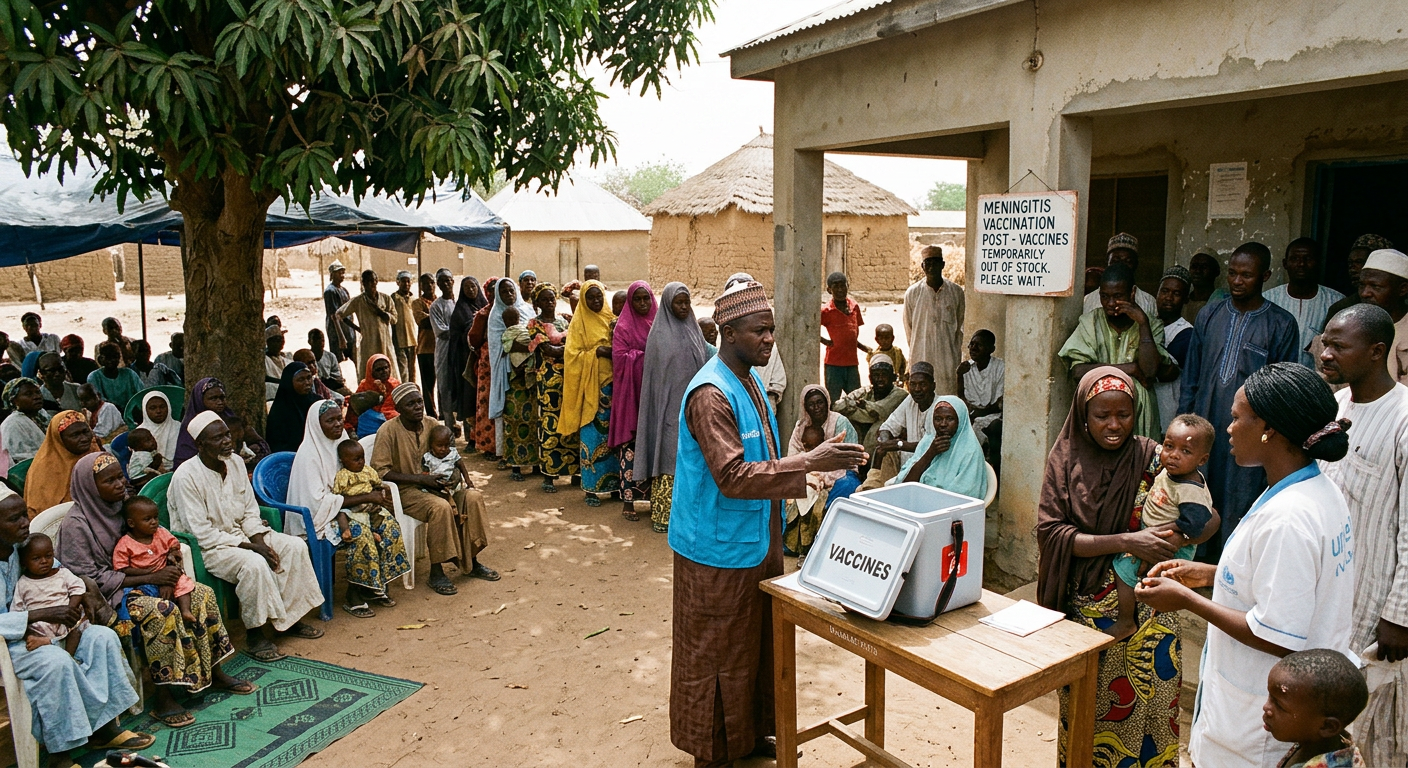
According to him, this strain is spreading quickly across northern states and is not fully covered by the vaccines currently available. While vaccination still offers some level of protection, it may not be enough to completely stop the outbreak.
Meningitis is an infection that affects the brain and spinal cord. It spreads through close contact, especially in crowded or poorly ventilated spaces. The disease can become very serious within a short time if not treated early.
Health experts say children between the ages of one and 15 are the most affected group. However, young adults and people living in crowded conditions are also at high risk.
The outbreak is happening at a time when Nigeria is already in its high-risk season for meningitis. This period usually runs from December to April, when dry and dusty weather conditions make it easier for the disease to spread.
The Issues
Meningitis has long been a major health challenge in Nigeria, particularly in northern regions that fall within Africa’s “meningitis belt.”
According to the World Health Organization, seasonal factors such as dry winds, heat, and dust increase the chances of infection. These conditions weaken the body’s natural defenses, making people more vulnerable.
Overcrowding is another major problem. In many communities, people live in tight spaces with poor ventilation. This makes it easier for the bacteria to spread through coughing, sneezing, or close contact.
A key concern now is the shift in the dominant strain of the disease. In the past, serogroup A was the most common. However, health officials say serogroup C has now taken over as the leading cause of outbreaks.
This change has created a gap in protection, as current vaccines do not fully match the new dominant strain. As a result, even vaccinated individuals may still be at risk.
Limited healthcare resources and delays in diagnosis also make the situation worse. Many people mistake early symptoms for malaria, which can lead to late treatment and serious complications.
What’s Being Said
Dr Idris stressed that the situation requires urgent attention and a combination of strategies to control the outbreak.
He said the NCDC has increased surveillance across the country to detect and respond to cases quickly. Laboratory testing is being carried out at the state level, while efforts are ongoing to strengthen national testing capacity.
He also explained that meningitis can progress very quickly and become fatal within hours if left untreated. However, early diagnosis and proper medical care can greatly improve survival rates.
Health experts are advising Nigerians to watch out for symptoms such as sudden fever, severe headache, neck stiffness, vomiting, confusion, seizures, and sensitivity to light.
Dr Idris warned that people should not assume every fever during the dry season is malaria. He urged individuals to seek proper medical testing to avoid dangerous delays.
He also called on schools, communities, and institutions to take preventive measures seriously. This includes improving ventilation, reducing overcrowding, and reporting suspected cases immediately.
What’s Next
Health authorities are continuing efforts to contain the outbreak and prevent further spread.
The NCDC is working with partners to strengthen response systems, improve detection, and ensure faster treatment for affected individuals. There is also a push to review vaccination strategies to better match the circulating strain. Public awareness campaigns are expected to increase, helping people understand the symptoms and the importance of early treatment.
In the coming weeks, more interventions may be introduced, especially in high-risk northern states where the outbreak is most severe.
Experts say community cooperation will be key. Preventive actions such as avoiding overcrowded places, maintaining good ventilation, covering the mouth when coughing or sneezing, and not sharing utensils can help reduce transmission.
Bottom Line
Nigeria’s meningitis outbreak highlights a serious public health challenge, especially with the rise of a strain not fully covered by existing vaccines.
While health authorities are taking steps to control the spread, the situation requires urgent attention from both government and the public. Early detection, proper treatment, and preventive measures will be critical in saving lives and reducing the impact of the outbreak.