







KEY POINTS
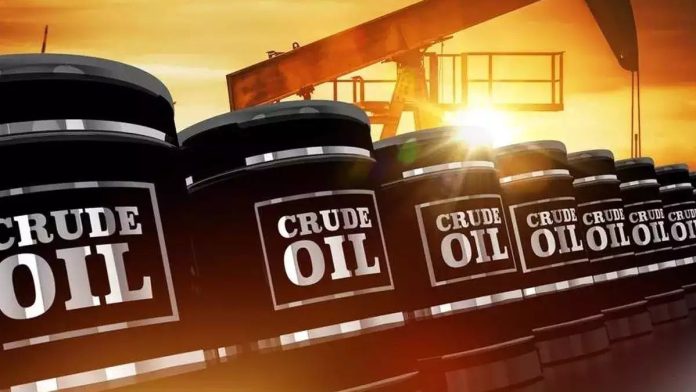
- Brent crude rose 1.8% to $101.7 a barrel, while WTI climbed 2.8% to $90.6 following a fresh exchange of missiles between Israel and Iran.
- The market rally reversed some of Monday’s late plunge, which was triggered by President Trump’s announcement of a five-day strike postponement and “productive” talks.
- Iran has officially denied direct dialogue with Washington, though mediation efforts involving Turkey, Egypt, and Pakistan are reportedly underway.
- Global stock markets remained mixed on Tuesday as investors weighed the “peak optimism” of diplomatic headlines against the reality of intensified combat in Tel Aviv and Tehran.
MAIN STORY

Oil prices shifted upward on Tuesday morning as the reality of continued military hostilities overshadowed brief hopes for a rapid diplomatic resolution to the four-week-old Middle East war. Brent crude, which had seen a massive $14 swing on Monday—peaking at $114 before settling below $100—reclaimed the $101 mark after fresh overnight strikes.
The Israel Defense Forces (IDF) reported a barrage of Iranian missiles targeting sites in Tel Aviv, while Israeli air forces struck over 50 targets within Iran. This tactical escalation suggests that despite President Trump’s “five-day pause” on US strikes against Iranian power plants, the regional conflict between Israel and Iran remains in a state of active intensification.
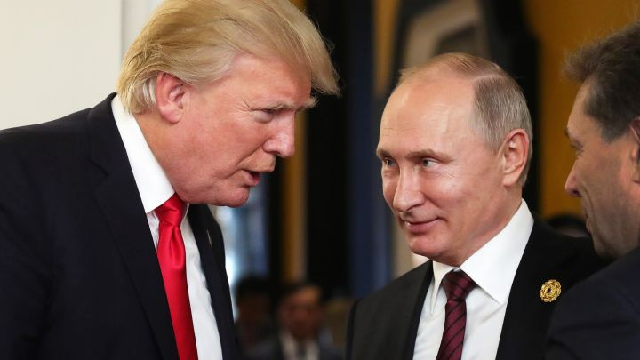
The “whiplash” in energy markets reflects a deep skepticism among traders regarding the conflicting narratives coming out of Washington and Tehran. While Trump hailed “very good and productive conversations,” the Iranian government’s public denial of any communication has left analysts like Neil Wilson of Saxo noting that “peak optimism didn’t last long.”
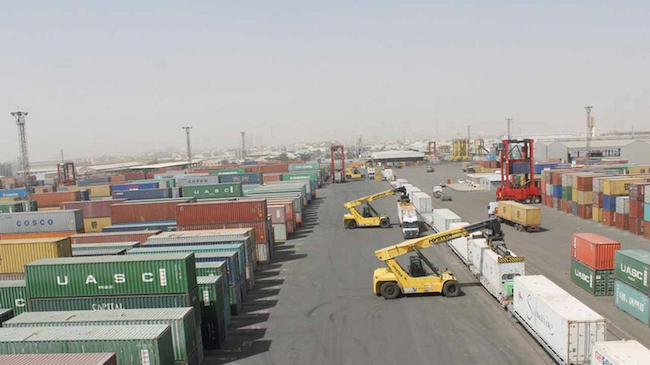
While backchannel mediation via Turkey and Egypt offers a potential exit ramp, the absence of a formal ceasefire agreement means the 20% of global oil supply usually transiting the Strait of Hormuz remains effectively paralyzed.
THE ISSUES
The core conflict remains the “Diplomatic Disconnect” between the US administration and its regional allies and adversaries. Trump’s strategy of using an “obliteration” ultimatum followed by claims of productive talks has created a high-volatility environment where algorithmic trading reacts to headlines before military realities are confirmed.
Furthermore, the “Israel-Iran Direct Exchange” has now bypassed proxy warfare, with both nations hitting sovereign territories directly. This increases the risk that even if the US pauses its involvement for five days, a “wildcard” strike by either regional power could trigger the very energy infrastructure destruction that the five-day postponement was designed to prevent.
WHAT’S NEXT
- The 5-Day Countdown: All eyes are on the remaining four days of Trump’s postponement to see if “concrete action” replaces “optimistic rhetoric.”
- Strait of Hormuz Status: Shipping insurance firms are awaiting a verified “safe transit” signal before allowing tankers to approach the waterway.
- IDF Strategy: Observers are watching to see if Israeli strikes in southern Lebanon and Iran escalate further, potentially forcing a US re-engagement.
- Energy Inventories: Thursday’s US inventory reports will be critical to seeing how much the domestic “supply cushion” has eroded during the 24-day war.
WHAT’S BEING SAID
- “Obviously much now depends on whether the more optimistic rhetoric is followed up by concrete action,” stated Jim Reid, Deutsche Bank.
- “The peak optimism from yesterday didn’t last long and has not really followed through today,” noted Neil Wilson, Saxo.
- “The energy transition is about people… this recognition is a reminder of what’s possible,” added Damilola Ogunbiyi in a related climate leadership context.
BOTTOM LINE
The Bottom Line is that the “Trump Bump” in market sentiment is hitting the “War Wall.” While the five-day pause on US strikes provided a temporary ceiling for oil prices, the direct missile exchanges between Israel and Iran overnight prove that the “risk of ruin” for global energy infrastructure is still very much alive. Until the missiles stop flying over Tel Aviv and Tehran, $100 oil is the new floor.