





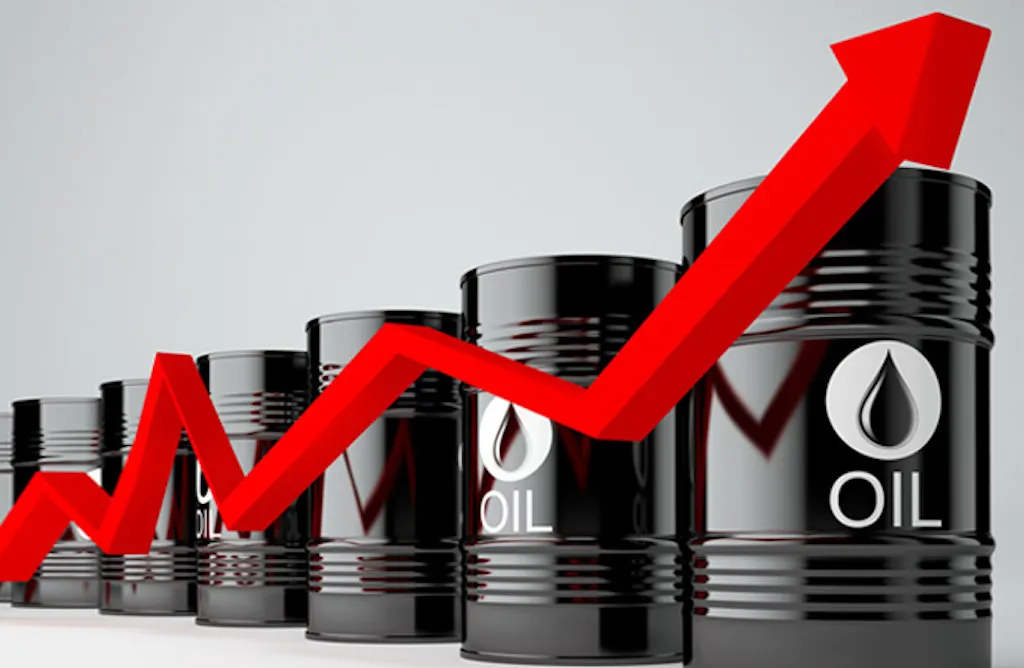
Crude oil prices rose on Tuesday, buoyed by tightening supply expectations, growing geopolitical risks, and stronger-than-expected U.S. economic data. Brent crude climbed over 1% toward $71 per barrel, while West Texas Intermediate (WTI) futures advanced past $67.50, extending Monday’s 2.4% gain.
The gains come amid heightened concerns over supply disruptions, as markets brace for potential secondary sanctions on Russia. Former U.S. President Donald Trump warned Moscow of new penalties if it fails to agree to a Ukraine ceasefire within 10–12 days—a move that follows fresh EU sanctions already affecting global oil flows. India’s Nayara Energy, a major Russian crude buyer, has reportedly cut refinery output in response.
Despite these gains, the broader outlook for the global economy remains uncertain. The International Monetary Fund (IMF) has projected global GDP growth of just 3% for the year, while several ratings agencies have issued bearish forecasts for 2025, fueling concerns of weaker long-term demand.
On the macro front, improved U.S. consumer confidence data helped support short-term demand optimism. Investors are now focused on the upcoming August 1 trade deal deadline and the next OPEC+ meeting, where production levels for September will be determined.
Oil remains on track for a third consecutive monthly gain, underpinned by strong summer demand and falling inventories. However, analysts warn that rising OPEC+ production could lead to a surplus later in the year.
In the UK, natural gas futures rebounded toward 83 pence per therm after dipping to a three-week low, driven by reduced Norwegian flows due to maintenance at the Troll field and delayed restarts at Hammerfest LNG. Warmer weather is also pushing up demand across Northwest Europe.
Britain’s energy supply risks are further heightened by limited storage capacity. With only about 12 days of winter gas reserves—far below EU averages—there are fears the Rough storage site, the UK’s largest, may close by 2025 without state support. Centrica is considering a £2 billion upgrade, but for now, the country remains heavily reliant on imports from Norway, the EU, and global LNG markets.