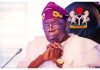






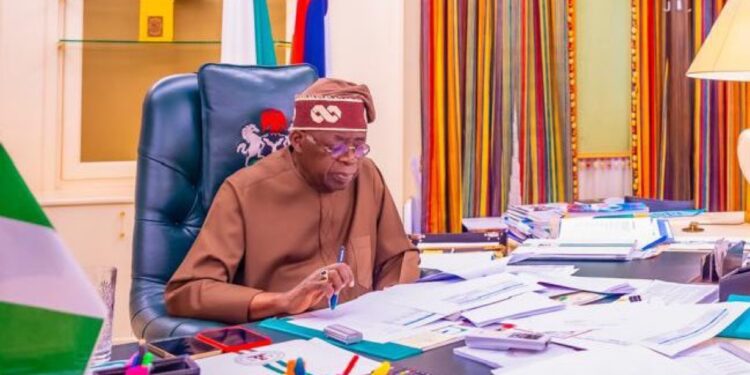
President Bola Tinubu has reaffirmed his administration’s commitment to deploying resources saved from fuel subsidy removal towards critical infrastructure, social safety nets, and economic reforms aimed at rebuilding public trust and fostering inclusive development.
Speaking at the opening of the National Conference on Public Accounts and Fiscal Governance, organised by the Public Accounts Committees of the Senate and House of Representatives, Tinubu, represented by the Minister of State for Finance, Doris Uzoka-Anite, said the removal of fuel subsidy, though challenging, was necessary to reposition the economy for long-term growth.
“In 2022 alone, Nigeria spent over N4 trillion on fuel subsidies, exceeding our capital expenditure allocation,” Tinubu stated. “The subsidy system was unsustainable, inequitable, and inefficient, disproportionately benefiting the affluent, encouraging smuggling, and draining public resources. Since its removal, we have redirected these funds into targeted interventions to expand social safety nets, improve public transportation, and finance critical infrastructure projects while strengthening our fiscal buffers.”
He noted that the administration’s economic reforms aim to address structural inefficiencies, fiscal leakages, and overreliance on oil revenues, shifting towards a diversified and inclusive revenue base. Highlighting new tax reforms, Tinubu explained that these initiatives are designed to widen the tax base, integrate the informal sector, digitise revenue collection, and harmonise multiple taxes to enhance the ease of doing business.
The President also referenced the establishment of the National Credit Guarantee Company to support local production, empower small and medium-sized enterprises, and promote non-oil exports, positioning these efforts as part of a broader strategy to create jobs, foster innovation, and strengthen economic resilience.
On monetary policy, Tinubu acknowledged the efforts of the Central Bank of Nigeria in stabilising the naira and reducing inflation while improving coordination with fiscal authorities to address structural challenges, particularly in the food supply chain.
He urged the National Assembly, particularly the Public Accounts Committees, to carry out their oversight responsibilities with integrity and independence, ensuring that public projects deliver value for money and reflect the priorities of Nigerians.
Senate President Godswill Akpabio, represented by Senator Abdul Ningi, emphasised the constitutional authority of the Public Accounts Committees in enforcing accountability and transparency in the use of public funds. He expressed concern over the growing trend of non-compliance with legislative summons by some agencies, describing it as a threat to democratic governance and accountability.
Speaker of the House of Representatives, Tajudeen Abbas, represented by House Leader Julius Ihonvbere, highlighted the persistent challenge of unrecovered public funds flagged by audit reports, revealing that over N300 billion remains unaccounted for. He called for the timely implementation of audit recommendations, sanctions for non-compliance, and the adoption of digital tools to enhance the transparency and efficiency of public financial management.
Chairman of the Senate Public Accounts Committee, Senator Ahmed Wadada, stressed the need to rebuild public trust through fiscal transparency and measurable service delivery. He called on all stakeholders to treat public funds as a “sacred trust” and to ensure accountability in the use of resources for critical sectors such as education, healthcare, infrastructure, and security.
Chairman of the House of Representatives Public Accounts Committee, Bamidele Salam, described the conference as a milestone in advancing transparency and sustainable development in Nigeria, calling for a recalibration of the country’s fiscal governance systems to ensure that public funds are effectively managed for the public good.
The conference, themed “Fiscal Governance in Nigeria: Charting a New Course for Transparency and Sustainable Development,” provided a platform for stakeholders to discuss aligning fiscal policies with constitutional mandates while enhancing accountability and transparency in the management of public resources.