





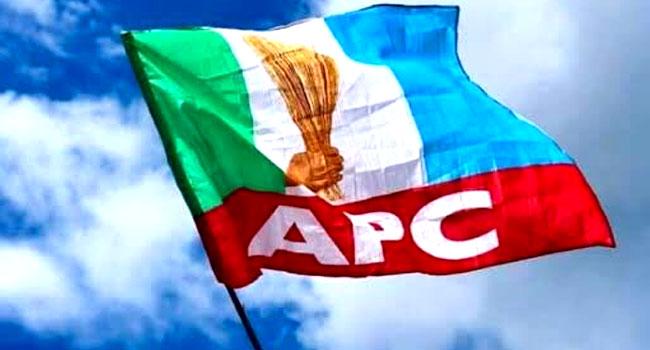
As political activities heat up ahead of the 2027 general elections, the ruling All Progressives Congress (APC) and the opposition Peoples Democratic Party (PDP) are stepping up preparations for a fierce presidential showdown.
On Thursday, both parties held their National Executive Committee (NEC) meetings in Abuja where they unveiled strategic adjustments to reposition ahead of the next polls.
While the APC ratified a new leadership structure to solidify its hold on power, the PDP, led by Governors Seyi Makinde and Bala Mohammed, is intensifying its bid to reclaim the presidency.
A major highlight from the APC NEC meeting was the emergence of Yilwatda Nentawe, a former governorship candidate and Minister of Humanitarian Affairs and Social Development, as the new National Chairman of the party. His appointment follows the resignation of Dr. Abdullahi Ganduje in June over health concerns.
The nomination of Nentawe was moved by Governor Hope Uzodimma of Imo State, who also serves as Chairman of the Progressive Governors’ Forum. The motion sought to return the chairmanship position to the North Central zone, with Yilwatda representing Plateau State.
The motion was seconded by the Speaker of the House of Representatives, Tajudeen Abbas, and approved via a voice vote.
In his acceptance speech, Yilwatda, 56, pledged to unite, expand, and strengthen the party. He thanked President Bola Tinubu and other party leaders for the confidence reposed in him, vowing to ensure Tinubu’s re-election in 2027.
“I pledge without hesitation that I will work with everybody in the party, unite the party, build the party, expand the party with you as the focus,” Yilwatda said at the State House Conference Centre, Abuja.
He acknowledged the weight of the responsibility, noting that the party was entering a critical political phase.
Meanwhile, the PDP governors are reportedly devising a roadmap to wrest power from the APC. Insiders say strategy meetings have begun, with zoning, coalition-building, and early grassroots mobilisation topping the agenda.
As both parties firm up plans for 2027, Nigerians can expect a political landscape increasingly defined by high-stakes manoeuvring and regional realignments.








 and the....)