





Keypoints
- Mediators are pushing for a new round of discussions within days following the breakdown of initial negotiations in Islamabad.
- The current two-week ceasefire is scheduled to expire on April 22, leaving a narrow window to prevent a return to open military conflict.
- Core sticking points include the reopening of the Strait of Hormuz without transit fees and the management of Iran’s enriched uranium stockpile.
- Tehran is demanding the release of approximately $27 billion in frozen assets as a condition for further concessions.
Main Story
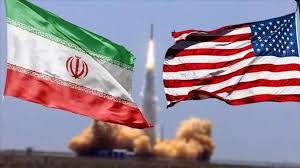
According to The Wall Street Journal, international mediators are working urgently to reconvene talks between the United States and Iran.
While the previous weekend of negotiations in Pakistan ended without a breakthrough, officials stated that the focus has shifted to preserving the fragile truce. Pakistani authorities, acting as hosts and intermediaries, are engaging both delegations to secure progress before the clock runs out on the current cessation of hostilities.
Despite the stalemate, some authorities expressed cautious optimism that a diplomatic path remains viable. The discussions are centered on resolving the naval standoff in the Persian Gulf and addressing long-standing nuclear concerns.
However, the $27 billion asset dispute and the US demand for unfettered access through the Strait of Hormuz continue to stall a formal agreement.
The Issues
The primary challenge is the approaching April 22 deadline, which serves as a “ticking clock” that could trigger renewed blockades or strikes. Mediators must solve the transit fee deadlock, as Iran views fees in the Strait of Hormuz as a sovereign right, while the US classifies them as illegal interference with international trade. Furthermore, the trust deficit remains at an all-time high following the recent aviation and infrastructure strikes, making it difficult for either side to offer the “first move” on assets or uranium. To avoid a total collapse of regional security, the negotiating parties must now find a creative middle ground that provides Iran with economic relief while guaranteeing the US freedom of navigation.
What’s Being Said
- “Mediators were pushing to reconvene discussions within days to preserve a fragile two-week ceasefire,” reported The Wall Street Journal.
- Pakistani officials noted that they are working tirelessly to ensure both sides remain at the table to prevent a return to open war.
- Diplomatic sources have suggested that the status of the uranium stockpile is the most technically complex hurdle in the current framework.
- Economic analysts warn that the $27 billion in frozen assets is the “linchpin” for Tehran’s willingness to de-escalate maritime tensions.
What’s Next
- A location for the next round of talks is expected to be announced within the next 48 hours, with Islamabad or a neutral European city under consideration.
- Mediators are anticipated to propose a “step-by-step” de-escalation plan where partial asset releases are traded for guaranteed safe passage in the Strait.
- The International Atomic Energy Agency (IAEA) may be called upon to provide a fresh verification report on Iran’s stockpile to facilitate the nuclear portion of the talks.
- Global markets are likely to remain on edge as the April 22 expiration date draws closer, with oil prices sensitive to any news of a scheduled meeting.
Bottom Line
The diplomatic effort is now a race against time. With less than ten days remaining on the ceasefire, the success of this proposed second round will determine whether the Middle East moves toward a lasting settlement or descends back into a high-stakes military blockade.