





Keypoints
- Human Rights lawyer Prof. Chidi Odinkalu stated that sustainable governance in Nigeria must move beyond physical infrastructure to prioritize people, dignity, and institutional integrity.
- Odinkalu delivered the remarks on Thursday in Umuahia during the Abia Anniversary Lecture marking the third-year anniversary of Governor Alex Otti’s administration.
- The lecturer criticized historic governance in Abia, stating that for nearly 24 years the state suffered from “desgobierno” or ungovernment.
- Governor Alex Otti expressed concern over declining voter turnout in Nigeria, which dropped from about 57 percent in 2007 to 27 percent in the 2023 general elections.
- Government officials highlighted that recent reforms are anchored on restoring dignity through the timely payment of salaries and pensions.
Main Story
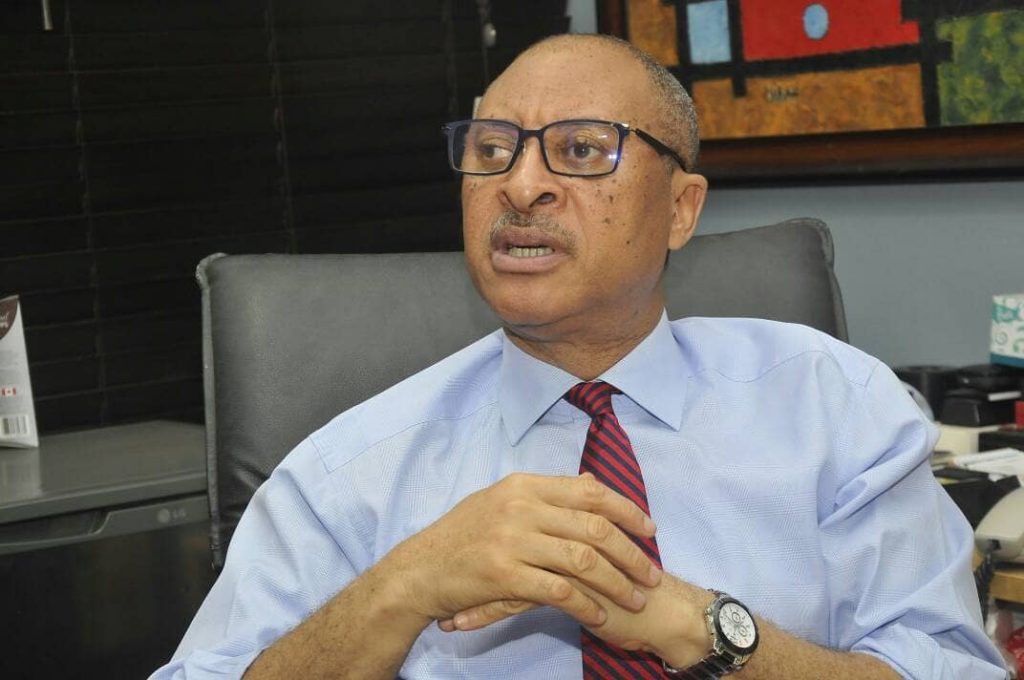
A Human Rights lawyer, Prof. Chidi Odinkalu, has said that sustainable governance in Nigeria must move beyond physical infrastructure to prioritise people, dignity and institutional integrity.
Odinkalu said this on Thursday, in Umuahia, while delivering a keynote lecture, during the Abia Anniversary Lecture organised to commemorate the third year anniversary of Gov. Alex Otti-led administration, in Umuahia. He warned that projects alone could not guarantee development and emphasised the need for purposeful leadership that directly impacted the lives of citizens in the state.
He said that the development strides recorded in the state within three years went beyond infrastructure projects and reflected a restoration of dignity, hope and trust in governance.
To evaluate intermediate structural dependencies, institutional supervisors examine public procurement accounts alongside civil service payroll databases to verify that physical engineering allocations do not displace primary human capital development funding.
Odinkalu said that the various sectors of the state’s economy had become transformed within the past three years and could be used as a reference point for broader governance lessons in Nigeria.
He noted that improved road infrastructure, security, electricity and healthcare services had significantly transformed the state, delivering over 1,000 kilometres of roads within three years.
He further commended the administration for prioritising social welfare through programmes such as health insurance, disability support services, maternal transport schemes and upgrades of primary healthcare centres.
Furthermore, regional administration planners are focusing on establishing specialized regulatory frameworks to audit service delivery across municipal sectors. Gov. Otti called for stronger citizen participation in governance and elections, warning that declining voter turnout poses a threat to Nigeria’s democratic future.
The governor stressed that development efforts should prioritise people over infrastructure alone, saying that meaningful governance must improve education, health, and welfare outcomes across communities.
Earlier, the Secretary to the State Government, Dr Emmanuel Meribole, said that the government had recorded significant progress in infrastructure renewal, institutional reforms, improved security and restored public confidence in governance.
The Issues
- Moving administrative priorities beyond physical construction projects to focus directly on human capital, social care, and institutional trust.
- Reversing the ongoing decline in voter turnout and civic engagement to protect the country’s long-term democratic future.
- Overcoming historical administrative deficits and building capacity within regional governments to eliminate complaints of marginalization.
What’s Being Said
- Emphasizing that infrastructural developments lack long-term viability if local communities are excluded from ownership, Prof. Chidi Odinkalu noted: “I want to be very clear. Projects matter, but projects will not last if the people do not have and the people do not own them. That is why investment in the people is where it all begins,”
- Challenging regional political entities to prove their administrative competence locally before seeking national leadership roles, Odinkalu argued: “If you cannot manage 29,500 square kilometres, guarantee peace, guarantee safety, guarantee development, guarantee roads, guarantee water, guarantee healthcare, guarantee children go to school, why do you want to manage Nigeria? We can out-govern the rest of Nigeria and start creating a dignified population, a place where things work. Nigeria will tell you, ‘you know what you have done to your place, come and do it for us’,”
- Describing how stolen political mandates inevitably undermine the ethical foundation and financial accountability of any administration, he stated: “Anybody who can steal your mandate can steal anything that they prefer. This governor, because he has a legitimate mandate, has got to account to those who gave him the mandate,”
- Pointing out the direct correlation between infrastructural energy expansion and the suppression of localized criminal activities, Odinkalu asserted: “What is the biggest crime-fighting invention that this administration has done? Electricity; as a result of street lighting, crime has crashed in Aba,”
What’s Next
- The Abia State government will continue its infrastructure tours and project commissioning across various local communities.
- Governor Otti will expand the membership of the state security council to include the education and health commissioners.
- Stakeholders and analysts will look to implement mechanisms to institutionalize good governance and secure a lasting legacy.
Bottom Line
Speaking at the third-year anniversary lecture for Governor Alex Otti’s administration, Prof. Chidi Odinkalu argued that sustainable development requires prioritizing human dignity and care over projects, while Governor Otti warned that declining voter turnout threatens democracy, urging deeper civic participation to sustain current institutional reforms.