Spectranet was awarded a License from the Nigerian Communications Commission in 2009 with the aim of promoting Internet Services in Nigeria. Over the last year Spectranet has assessed and evaluated different technologies and mediums which would facilitate in providing the best data services best suited for Nigeria.
Headquartered in Lagos with Management Consultancy and Technical Collaboration with the Infrastructure Development Company Group based at Singapore, Spectranet aims to be a leader in the Internet Services space in Nigeria.
We are currently recruiting to fill the following vacant positions:
KPMG is a global network of professional firms providing Audit, Tax and Advisory Services. Our vision is to build and sustain our reputation as the best firm to work with by ensuring our people, clients and communities achieve their full potential.
We are a team of outstanding professionals with diverse backgrounds, varied experience and probing minds. We always strive to win. Not as individuals but by working as a team. Our winning culture is based on collaborative teamwork, and we create results by being open-minded, helping each other and showing trust in each other’s method and capabilities. And for that we need you on the team!
Interesting Career Opportunities within the Department of Professional Practice (DPP) at KPMG Professional Services, Lagos; Are you looking for a career in a challenging, dynamic environment? Are you looking for an opportunity to work with a passionate, forward-thinking team? Can you proffer plausible and well-researched options/solutions to challenging issues on IFRS and other accounting related business issues?
We are looking for young, vibrant and forward thinking candidates to fill the position below:
Job Title: Audit DPP Trainee
Auto req ID: 101902BR Location: Lagos
Function: Audit
Job Description
The KPMG DPP is a unit within KPMG set up to enhance the quality of KPMG West Africa’s audit and assurance practice and provide guidance to our professionals to achieve efficiency in the delivery of our service offering through a dynamic process of pursuance and monitoring of best quality practices, excellence in training and strategic liaison with key regulators.
We are seeking bright minds that are ready to learn, perform and are interested in a challenging and rewarding career. You will have the opportunity to work with a team of outstanding professionals of diverse backgrounds, probing minds and varied experience. We always strive to win. Not as individuals but by working as a team. Our winning culture is based on collaborative teamwork, and we create results by being open-minded, helping each other and showing trust in each other’s method and capabilities.
Requirements
Interested candidates must:
Show adaptability, willingness to learn new skills and commitment to exceptional delivery
Have exceptional oral and written communication skills
Be innovative and creative
Have a minimum of 5 O’ level credits (including English & Math) at ONE sitting
Have a minimum of second class (upper division) degree at undergraduate level
Have completed professional accountancy certification – ICAN/ACCA conversion to ICAN
Be below 26 years old
Application Closing Date
Not Specified.
How to Apply
Interested and qualified candidates should APPLY
Arik Air is a customer-focused airline that offers consistently outstanding services to both business and leisure travellers. We have earned a reputation for providing “the best care in the air”. Industry experts have awarded us for delivering outstanding services. No airline does it in the unique Arik way.
Arik Air offers opportunities for employment in administrative, professional, technical and airline-specific disciplines, irrespective of the level or area of responsibility, each employee contributes to the growth and success of our airline. We believe that individuals score goals, but ultimately “the team wins the game”.
We are recruiting to fill the following positions below:
Quoted equities maintained upward trajectory on Thursday, March 10, as investors turned to worse-hit stocks for bargain-hunting.
Two stocks- Oando Plc and Tiger Branded Consumer Goods (TBCG) Plc, which had suffered some of the sharpest plunge, have been at the centre of recent rally as investors sought to take advantage of the undervaluation of the stocks.
Key indices at the Nigerian Stock Exchange (NSE) showed continuing bargain-hunting across the large, mid and small cap stocks, but there appeared to be a focus on small-cap stocks with dividend-paying history and potential for capital appreciation.
With 19 gainers to 15 losers, there was also a slowdown in the momentum of the rally, raising the possibility of profit-taking activities in the next few trading sessions ahead. Aggregate market value of all quoted equities rose by N13 billion to close at N8.917 trillion as against its opening value of N8.904 trillion.
The modest rally further reduced the negative overhang at the stock market as the average year-to-date return improved to -9.49 per cent.
Cross sectoral analysis showed continuing positive sentiments across stock groups and sectors. The NSE Oil and Gas Index indicated a gain of 0.72 per cent. The NSE Industrial Goods Index and the NSE Insurance Index inched up by 0.2 per cent each. The NSE Banking Index appreciated by 0.04 per cent. However, the NSE Consumer Goods Index dropped by 0.5 per cent.
Imagine you owned a food shop in Ikeja. Every morning, you put a sign outside your store with a list of the specials for the day. Everyone that passes your store sees the same sign – regardless of whether they’re a potential customer that has never visited your shop, or a regular that can’t go through the day without dropping in.
Now imagine you could change your street sign for every person that walked past your shop to match their interests and preferences. The person who prefers ‘Amala’ because he is from Oyo. The goat meat lover who visits your stop every evening would see a sign for a special discounts, to further cement his/her loyalty. It’s hard to imagine how this scenario would work in the offline world – but it’s happening for small business owners everyday online.
On the Web, businesses can customize their store sign in infinite ways – and then get instant feedback from their customers about the most effective promotions. They can also reach the millions of people searching for their products and services. By putting their sign online, business owners can tap into a whole new customer base – whether it’s tourists planning their first visit to the neighborhood or locals hunting for nearby offers on their mobile devices.
This may sound complicated, but it’s actually easier (and cheaper) than you think.
Step 1: Make sure your customers can find you
More than one billion people are online – including 48 million Nigerians – which means that these days it’s more important than ever for your business to be online as well. Most small businesses assume that having a Web presence means spending a lot of money to hire a design firm and build a website from scratch – but it doesn’t have to be so. Online directories make it easy to get your business information online with just a few clicks. For example, claiming your Google business listing means your store information will start to appear in Google search results and on Google Maps. You can update your Google listing with information like trading hours, store photos, and even special offers and coupons – all for free. Online directories make it easy (and cheap) to have a Web presence, which can translate into more foot traffic for your store.
Step 2: Learn what your customers want
Once you claim your local business listing, you can tap into a wealth of information about your customers, such as what search terms people use to find your shop. Remember the food shop in Ikeja? In the offline world, the manager would have to ask each customer coming through the door how they found their shop. Online, they can see data about what brings people to their store – did they search for “amala” or “rice” to get the listing for the food shop? Do they live across town, but drive miles for your great selection of single-origin coffee? With insights like that, you can understand your customers and make informed decisions about how to attract more.
If you’ve claimed your Google business listing, you can start tapping into these insights right within your listing. Or, you can use free tools like Insights for Search to compare search trends across time, region, and category to understand things like seasonality and how people search for your business.
Step 3: Find your customers wherever they are
Your offline sign reaches people as they walk down the street and pass by your business. But how do you reach people who don’t pass your store, but live nearby and would visit your shop if only they knew about it? To take another example, if you own a children toy store, how do you catch the eye of parents in your area who don’t walk down your street? How about when they’re reading their favorite children blog or watching videos on YouTube?
Tools like Display Ad Builder let you create professional-looking display ads that mirror your street sign without needing to hire a designer or start from scratch. You can customise dozens of templates with your own text, images, and logo as well as change the colors and background. Once you have a display ad you like, you can place this ad on relevant sites across the Web, such as the cat blog or YouTube videos. Online display ads help you find your customers – without waiting for them to walk past your store.
Step 4: Make your store sign smarter
Let’s say you have a website and you’ve started running your first display ads. Now you’re ready to turbocharge your online store sign and make your ads as relevant as possible for each customer. What’s your next step?
You probably want to start by tailoring your ads to people that have visited your website in the past with a reminder about your special deals and offers. This is called remarketing, and it helps you reach customers that are probably already interested in your products. Instead of a food shop, say you’re a travel agency that specializes in providing specialized holiday packages to Dubai. With remarketing, you can show a coupon for 10% off to people who visited your page about Dubai travel but didn’t book a holiday. Or you can tailor your ads to reach people reading about Asian travel with your trips to Shanghai and people reading about European travel with trips to Milan. Putting your store sign online means that you can customise your sign in infinite ways – and make it as relevant as possible for each of your customers.
Your sign on the street probably does a good job. By taking it online, it could do a great job. On the Web, your store sign can be a lot smarter and it can help you grow your business beyond the street.
Power generation in Nigeria has received a boost as Bresson Nigeria Limited is set to add 500 megawats (Mw) to the national grid in 2017.
Speaking on Thursday, March 10, during a courtesy call on Vice President Yemi Osibajo told the investors that the administration is committed to removing all bottlenecks hindering investors in the power sector.
He lauded Bresson for the integrated nature of its power projects, a model of fuel sufficiency by also investing in gas production.
While assuring that the administration is working to ensure regular supply of gas to the power plants and efforts are on to attract investment into the sector, he said Bresson integrated model in power generation is a good model. ’’We shall support you and other genuine investors with recognisable foot print but we shall monitor you closely to ensure you adhere to your schedule,’’ he said
Chairman of the firm, Gbenga Olawepo-Hasim, while briefing the Vice President said the megawatts to be generated will come from Bresson Initiative and its Magboro power plant in Ogun State.
Trading activities on the floor of the Nigerian Stock Exchange, NSE continued its movement North on Thursday, March 10.
The NSE 30 Index leaped 61 points or 0.24% to 25943 on from 25882 in the previous trading session.
The All Share Index (ASI)-the value-based index that tracks prices of all quoted equities; indicated a modest gain of 0.15 per cent to close at 25,923.77 points as against its opening index of 25,885.31 points.
Nigeria NSE 30 Index lost 5031 points or 16.24 percent during the last 12 months from 30,973.80 points in March of 2015.
The Nigeria Stock Market NSE reached an all time high of 43031.83 in July of 2014 and a record low of 19785.03 in December of 2011.
Dangote Cement, Nigeria’s most capitalised stock, led the gainers with a gain of N1.01 to close at N165.01. Flour Mills of Nigeria followed with a gain of 87 kobo to close at N18.38. Oando rose by 42 kobo to close at N4.86. PZ Cussons Nigeria added 30 kobo to close at N25. Dangote Sugar Refinery appreciated by 23 kobo to close at N5.98. TBCG gathered 22 kobo to close at N2.49. Access Bank rose by 20 kobo to close at N4.64. Red Star Express chalked up 19 kobo to close at N4 while Honeywell Flour Mills garnered 14 kobo to close at N1.72 per share.
Total turnover stood at above average at 310.65 million shares valued at N2.06 billion in 3,015 deals. Fidelity Bank was the most active stock with a turnover of 112.42 million shares worth N129.46 million in 97 deals.
The Debt Management Office, DMO, on Thursday, March 10, said the federal government plans to raise 100 billion naira ($503.02 million) in local currency denominated bonds with maturities ranging between 5 and 20 years on March 16.
The debt office said it will raise 40 billion naira at par in the local bond maturing in 2036, 40 billion naira of the paper maturing in 2026 and 20 billion naira of the debt maturing in 2020.
The 2026 and 2020 maturing notes are reopenings of previously issued paper, while the 2036 maturing note is a fresh issue.
This came against the plan to raise about N390 billion in total local borrowing by end of this quarter, less than three weeks from now.
This is also expected to be tied to the total borrowing plan for N984 billion local bond issue in 2016 fiscal plan.
A breakdown of the instrument shows that a N40 billion worth of the bond will be issued with a maturity date in 2036, another N40 billion of the paper maturing in 2026 and the balance N20 billion of the debt maturing in 2020.
About N60 billion worth of the instrument with 2026 and 2020 maturity dates are re-openings of the previously issued papers, while the 2036 dated instrument is a fresh issue.
In the first debt auction of this year, which took place January 20, 2016, the DMO issued N40 billion and N60 billion of bonds maturing in 2020 and 2026.
The 2020 debt is a re-opening of a previously issued instrument, while the 2026 debt is a new issue. DMO said it will issue between N40 billion and N60 billion in fresh instruments in each of the first three months of the year.
The Federal Government plans to raise N984 billion in domestic borrowing and N900 billion from foreign debt market to fund the N2.22 trillion deficit in the N6.08 trillion 2016 budget.
The deficit will take the country’s overall debt profile to 14 per cent of the gross domestic product, GDP.
The Minister of State for Petroleum and Group Managing Director of Nigeria National Petroleum Corporation, NNPC, Emmanuel Ibe Kachikwu, on Thursday, March 10, said that the four refineries in the country will require between $300 million to $500 million to function effectively.
Kachikwu made this known this during an interactive meeting with the joint House of Representatives Committee on Gas Resources, Petroleum (Downstream and Upstream) and Local Content chaired by Rep Victor Nwokolo over the controversy on the recent unbundling of NNPC to 30 companies.
The Minister acknowledged the communication gap between his office and the National Assembly on the issue of unbundling of the NNPC, adding that the concerns expressed by members were legitimate.
Kachukwu said that the “unbundling was used to qualify the sub-sects” otherwise called ‘Divisions’, and not companies as would have been applicable to the actual unbundling of the Corporation as stipulated in the PIB.
He assured that the restructuring of NNPC will help in achieving 16 to 18 month self-sufficiency of supply of Petroleum products as well as the establishment of the modular type refineries by investors as contained in the recent advert placed by the Corporation.
South Africa owned Telecommunications firm, MTN, has proposed to pay the federal government N300 billion for the fine imposed on it by the Nigeria Communication Commission, NCC.
A document from the office of the Solicitor General of the Federation read at the hearing of the Senate Committee on Communications attended by the Minister of Communication, Barrister Adebayo Shittu, the Accountant General of the Federation, Ahmed Idris, Executive Vice Chairman of the NCC, Professor Umar Garba Danbatta and representatives of the MTN, said the telecom has proposed to pay the amount.
The fine was initially N1.4 trillion before it was reduced to N780bn. But the telecom has proposed to pay N300bn.
MTN was fined in October last year by NCC for failure to disconnect unregistered SIM cards as directed by the authorities, thereby contravening the provisions of the regulation on SIM card registration.
Reading the document, vice chairman of the Senate Committee on Communications, Senator Solomon Adeola Olamilekan, said the telecom proposed to pay N250bn in addition to the N50bn it paid last month.
At the hearing of the committee, there was controversy over the N50bn already paid being part of the fine. Chairman of the committee, Senator Gilbert Nnaji, queried the payment, saying it violated the law establishing the NCC.
But the Accountant General of the Federation, Ahmed Idris, said the money was paid following a directive by the minister of justice.
“The FG asset recovery account has been credited with N50bn, the narration clearly shows that it was deposited by the MTN and the money is intact. The money was paid into the recovery account because of the pending litigation on the issue,” he said.
IHS Holding Limited, IHS, one of the largest mobile telecommunications infrastructure providers in Africa, Europe and the Middle East on Thursday, March 10, announced plans to buy Helios Towers Nigeria Limited.
This business deal will see IHS acquiring HTN’s portfolio of 1,211 diversified tower sites throughout Nigeria.
HTN and IHS established the mobile telecommunications infrastructure industry in Nigeria in the early 2000s and the transaction will be the first in-market consolidation in Africa.
HTN is a leading tower operator in Nigeria and the first independent tower operator in Africa. Currently operating in 34 of 36 states in Nigeria and the Federal Capital Territory, with over 1,200 towers and over 2,500 technology tenants.
HTN is also an ISO 9001:2008 certified company and is recognised and trusted by its customers for its delivery of best-in-class services and efficiency.
According to a statement from IHS, the transaction will allow the continued delivery of best-in-class solutions to customers and additional investments in infrastructure upgrades.
Under the terms of the transaction and subject to requisite regulatory approvals, IHS will acquire the entire issued share capital of HTN from HTN Towers Plc, which is ultimately owned by Helios Investment Partners, Pembani Group, First City Monument Bank and other minority shareholders.
Upon completion of the transaction, IHS will have full operational control of the underlying businesses and will market independent infrastructure sharing services to mobile network operators and internet service providers in Nigeria.
Wapic Insurance Plc on Thursday, March 10, posted a profit after tax of N1.297 billion for the year ended December 31, 2015.
The performance indicated a leap of 448 per cent as against N236 million posted in the 2014.
An analysis of the results showed that Wapic Insurance Plc recorded a gross premium written of N7.1 billion, up 36 per cent from N5.2 billion in 2014.
Net premium income stood at N3.9 billion, showing an increase of 39 per cent from N2.8 billion in 2014.Net interest come rose by 64 per cent from N997 million to N1.6 billion, bringing underwriting profit to N1.477 billion as against N1.315 billion in 2014.Investment and other income rose by 59 per cent from N1.8 billion N2.8 billion, while operating expenses rose by 13 per cent from N3.074 billion to N3.468 billion.
Consequently, profit before tax soared by 2,747 per cent from N58 million in 2014 to N1.667 billion, while profit after tax grew by 448 per cent to N1.297 billion, from N236 million in 2014.
The company explained that business experience some gains resulting from the on-going business model restructuring and transformation of the service channels embarked upon to reposition the group. These contributed to 36 per cent increase in the group’s gross profit.
Adekoya, the company said, is a fellow of the Chartered Insurance Institute of Nigeria (FCII) and an Associate of the Chartered Insurance Institute, London (ACII). Adekoya holds a B.Sc in Insurance and an MBA, both from the University of Lagos.
She has over 25years experience in the insurance industry, of which over 20years has been at senior management levels. Prior to her appointment, Adekoya was General Manager and Head, Institutional Business Development at Cornerstone Insurance Plc. She was also the Deputy General Manager, Technical at Law Union & Rock Insurance of Nigeria Plc.
Nigeria, Cameroon Join Forces To Fight Piracy In Gulf Of Guinea
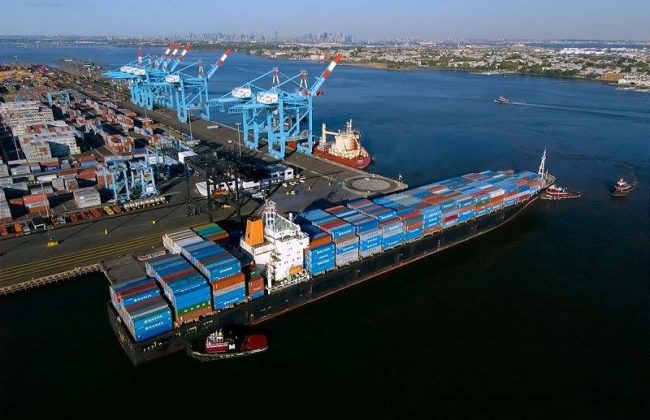
Integrated Logistics Services Limited, INTELS, one of the concessionaires in the nation’s seaports, has made $8.1 billion investment in the nation’s seaports.
The concessionaire, which is the terminal operator in Onne, Rivers Statel; Warri, Delta State and Calabar, Cross River State, took over the day-to-day running of ports following the conclusion of the concession programme during Chief Olusegun Obasanjo’s administration.
However, INTELS, which has Simone Volpi as its managing director, said in a statement obtained by THISDAY that the company has invested $8.1 billion in Nigerian ports in the past 10 years.
Within the period under review, the terminal operator also disclosed that it has remitted $176.1 million (about N35.2 billion) into the federation account.
The company also revealed that it has provided hundreds of direct and indirect employment opportunities to Nigerians since it started operations in the country.
Nigerians spend about $500million annually for kidney transplant in India alone, the Julie Donli Kidney Foundation, has revealed.
The founder of Julie Donli Kidney Foundation, Julie Donli, made the revelation while addressing the press during the kidney disease awareness walk to mark this year’s World Kidney Day.
The World Kidney Day is annually marked on every 2nd Thursday of March, and it is held in about 90 countries with events numbering up to 600.
According to Julie Donli, this year’s event is targeted at creating more awareness about children with kidney problems with the theme: “Act early to prevent it”.
“Today, we took our awareness walk from the Federal Secretariat to the National Assembly where we met with Hon. Lanre Tejuoso, the House Committee Chairman on Health to appeal for more government support to kidney disease patients who are often unable to afford the very expensive weekly dialysis, and on the need to equip Nigerian hospitals to the standard where transplants can be done here, instead of spending millions abroad,” she said.
On its part, the foundation has been able to assist at least 70 patients to bear the cost of their dialysis.
Med-View Airline has entered into a partnership with a travel management company from the United Arab Emirate, UAE, Anta Travel.
This new collaboration is to ensure that Nigerians traveling to Dubai on Medview get the best experience as the partnership is expected to open a wide variety of activities for potential passengers.
As part of plans to begin flight operations into the UAE, Medview Airline hosted its sales agents and clients to a trade partner forum at Sheraton Hotel, Lagos.
Managing director of Medview Airline, Muneer Bankole, who spoke at the forum, restated his airline’s commitment to meet the yearnings of Nigerians by providing affordable flights with plenty of luggage space to boot.
He said that the airline has come of age in delivering on its promises always since the commencement of all operations, making it not just a reliable airline but a consistent one.
Although he said that Medview was not ready to release its entire package for the UAE operations slated for the summer just yet, Bankole noted that at Medview they were well aware that Nigerians are prone to carrying a lot of luggage and as a response to that they would be giving a 3-piece luggage room for the Business Class at 75 kilogramme, and that is just for starters.
The European Central Bank, ECB, has cut its benchmark interest rate to 0% from 0.05% as part measures to boost the struggling eurozone economy.
The ECB will also expand its quantitative easing programme from €60bn to €80bn a month. The scheme will now include the purchase of corporate bonds as well as government debt.
The bank has also decided to further cut the bank deposit rate. It now stands at minus 0.4%, down from minus 0.3%, meaning that banks must pay more to deposit funds with the ECB.
The package of measures, including the decision to cut the benchmark interest rate, was more radical than investors had expected.
According to a report by the Global Agricultural Information Network, GAIN, Nigeria’s spirits market is worth $2 billion and it is increasing at six per cent average yearly .
While imported spirits account for $500 million, local spirits dominate the sector with 75 per cent share as they are cheaper than the imported brands, it added.
The report, however, said imported spirits of various classifications, including the international brands, continue to have preference among Nigeria’s growing young and educated middle class. The report obtained by The Nation, contains assessments of commodity and trade issues made by United States Department of Agriculture (USDA).
According to the report, which was prepared by GAIN’s Marcela Rondon and Uche Nzeka, Nigeria’s 160 million people provide a large market for alcoholic beverages worth more than $6.5billion. It said while spirits consumption constitutes about 30 per cent of the market, beer and wine share 55 per cent and 15 per cent.
Although the GAIN report noted that local spirits lead the market, they, however, do not meet the standards of the increasing high- and middle- class consumers preferred premium brands.
The National Association of Chambers of Commerce, Industries, Mines and Agriculture, NACCIMA, has consolidated trade ties with Turkey, the 18th largest economy in the world.
This development is expected to yield more investment to boost major sectors, including power, manufacturing, mining, construction, agricultur/agro-allied, aviation and security.
NACCIMA President, Bassey Edem, who spoke at the Nigeria-Turkey business forum in Abuja, during the week, said it was imperative for the countries to strengthen extant trade relations considering the huge trade volume built over the years.
He expressed Nigeria’s readiness to negotiate specific incentives for investors in consultation with appropriate government agencies and also assist incoming and existing investors with the provision of support services as well as facilitate procurement of all business approvals.
Edem said: “Nigeria and Turkey have over the years sought a way to fill the vacuum that exists between the two country’s trade relations, through signing bilateral agreements, organizing trade shows and exhibitions in Nigeria and Turkey to encourage both countries open up more trade and investment relations.”
Findings have revealed that Nigeria is losing about 300,000 barrels of crude oil per day due to the bombing of Forcados pipeline that conveys Forcados grade of crude oil to the over 400,000 barrels per day Forcados Export Terminal.
The loss, which translates to an average of $12 million daily at an oil price of $40 per barrel, arose from the damage caused on the 48-inch underwater pipeline, which disrupted crude oil flows to the export terminal.
It was also learnt that the loss may have overshadowed the gains Nigeria would have derived from the recent rise in oil price.
The affected Trans-Forcados Pipeline, which is operated by Shell Petroleum Development Company of Nigeria Limited (SPDC), belongs to the Nigerian Petroleum Development Company (NPDC), a subsidiary of the Nigerian National Petroleum Corporation (NNPC).
Investigation also revealed that some marginal field producers such as Pillar Oil, Midwestern Oil and Gas, Platform Petroleum and Energia also convey their crude oil through the pipeline
However, it was learnt that these marginal field producers have another alternative route through the pipelines operated by the Nigerian Agip Oil Company (NAOC) to carry their crude oil to Brass Export Terminal.
Eniola Akinsete, Senior Manager, Capital Projects & Infrastructure Team, PwC Nigeria. E-mail: eniola.akinsete@ng.pwc.com
As Africa’s most populous country and with an average five year real growth rate of 5% between 2011 and 2015, Nigeria is ranked as one of the fastest growing economies in the world. Despite this position, the nation’s activities in healthcare account for less than 5% of the country’s GDP .
With the general downturn of the economy, it is expected that there will be significant strain on public healthcare expenditure (which currently accounts for about 30% of the country’s total healthcare spend). As a result, public healthcare institutions, especially at the tertiary levels, will be faced with increased difficulties in bridging their current infrastructure deficit. This, even as their ability to increase Internally Generated Revenues (IGRs) remain constrained by limited funding for introducing new or expanding existing services.
However, collaborative arrangements between the public and the private sectors, supported by enabling frameworks and systems, can provide a sustainable solution to addressing this gap across the country.
Health sector overview
In 2015, Nigeria had over 3,500 healthcare institutions with about 27% being public sector owned. The public sector institutions include 54 federal tertiary hospitals as well as state owned general hospitals, teaching hospitals and primary health centres. The private sector participation is also evident across the three tiers of healthcare service delivery with majority of private sector activities domiciled at the secondary level.
Despite the high number of available medical institutions, the country still records below average health statistics due to the inability to provide quality healthcare to match the nation’s changing epidemiology, obsolete medical devices /equipment, inadequate basic infrastructure, among other challenges.
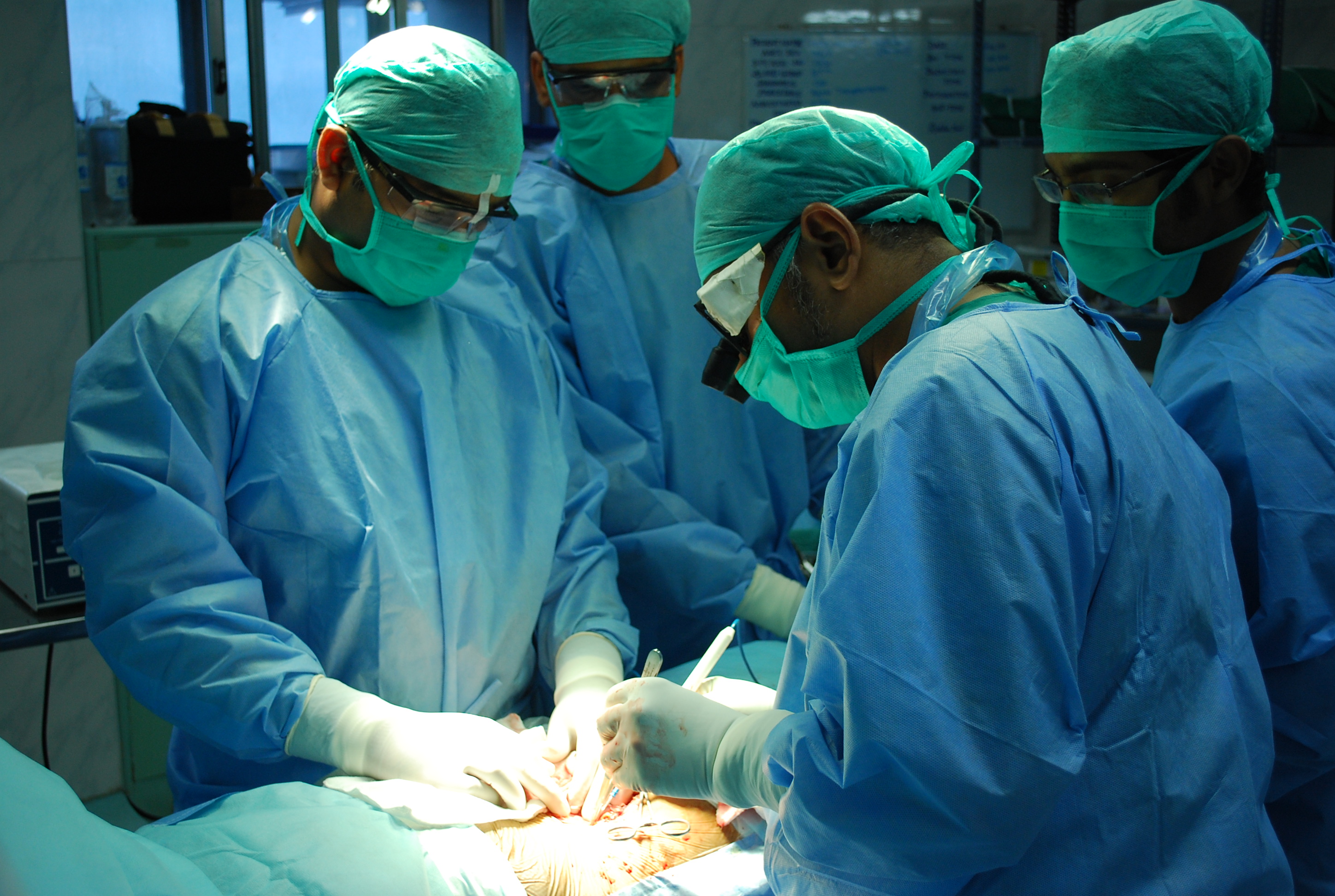
Significantly, the nation is seeing a change in the disease burden mix, with Non Communicable Diseases (NCDs) growth outpacing infectious diseases. This rise in NCD burden has not been matched by an increased capacity to treat locally contributing to the growth in medical tourism. This is not necessarily because there is a lack of technical expertise but the infrastructure to provide treatment or support the patients are largely unavailable. Although estimates vary depending on the source, it has been reported that about 30,000 Nigerians cumulatively spend about US$1 billion annually on healthcare services outside the country, with 60% of patient requests in four major specialist areas: cardiology, orthopaedics, renal dialysis, and oncology . In 2013 alone, medical spend per tourist was recorded as between $7,475 and $15,833 . Recent trends show that purchase of foreign healthcare services have significantly increased especially as medical fees amounted to a significant chunk of foreign currency requests in the last one year.
To take advantage of this market gap, the country has, in recent times, seen an increasing number of large scale green-field hospital projects by private sector participants. These players, who aim to establish fully equipped, high quality secondary to tertiary healthcare institutions, usually require 18 to 24 months from financial close of funding process to get the hospitals operational. This implies that though the private sector contribution will start to bridge the infrastructure gap, lost revenue to medical tourism activities will continue to increase for the next three to five years (at the least) until operational activities in some of these green-field projects commence on a full scale.
The infrastructure challenge
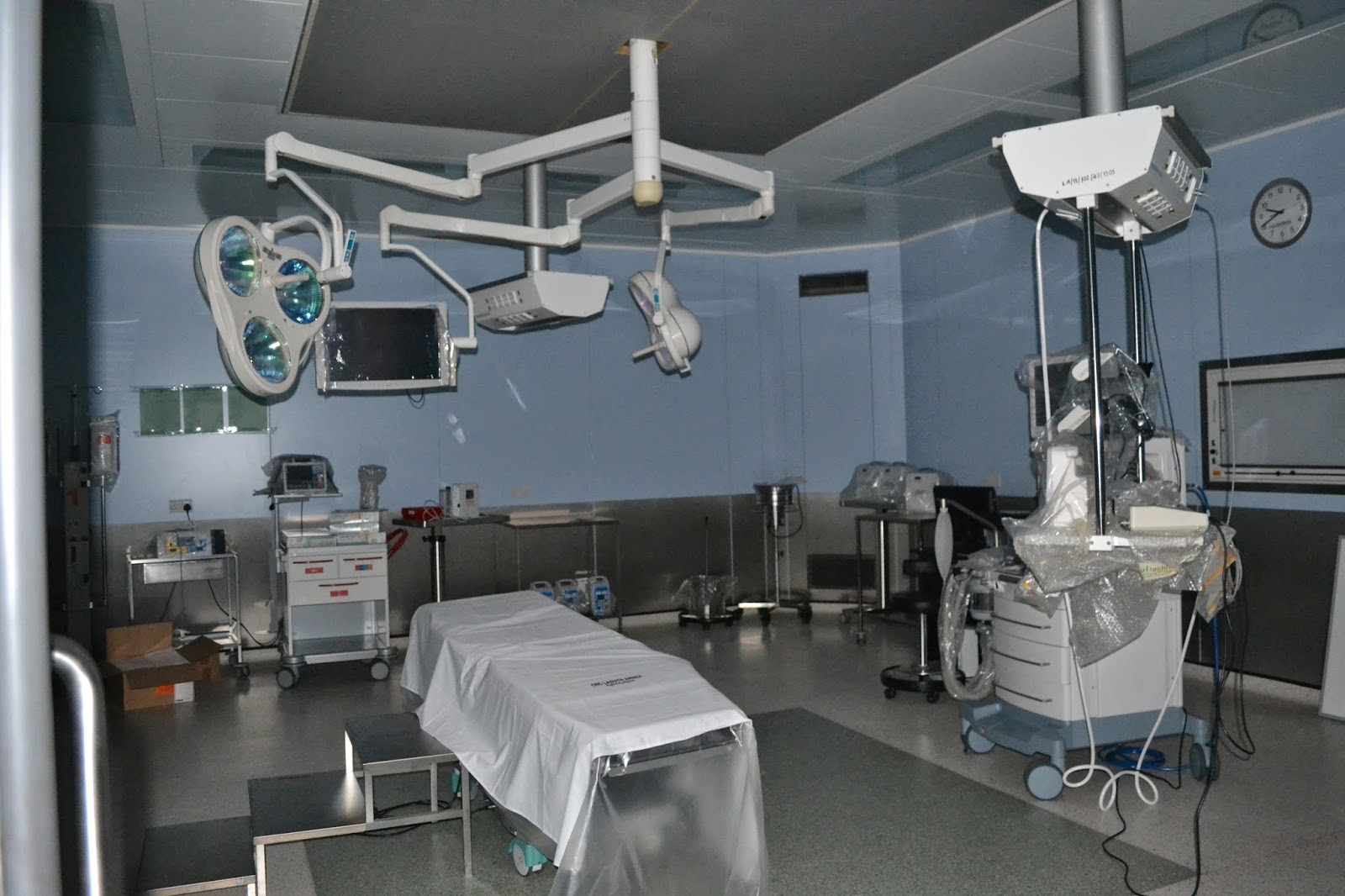
With over 160,000 hospital beds as at 2015, the country suffers from a very low bed per thousand population of 0.9 (less than one) in comparison to countries such as South Africa at 2.29 and Japan at 13.32 in 2013 . This low statistic has been a trend over the years as the number of beds has grown below GDP rates over the last five years. In addition to the lack of physical infrastructure required to adequately address the population base, existing structures suffer from obsolete equipment and lack of requisite infrastructure to expand/deepen medical specialisation. This has significantly limited the ability of healthcare institutions, in particular the public sector hospitals, to align their services to the changing disease trends. The ultimate implication of this is a limitation in increasing IGR levels within the institutions despite rising demand for services.
Constraints experienced by public tertiary hospitals in increasing IGRs can be further reviewed from the patients’ purchasing power standpoint. Whereas, the government’s objective with public health facilities (including tertiary centres) is to ensure patients at low income levels can access quality care; there are obvious benefits to those centres attracting patients across the income spectrum. Higher income patients often can pay more economic fees for their care which may enable the hospitals cross subsidise care for lower income patients. The government can also provide higher quality care for its citizens in the lower income levels at affordable rates by utilising health insurance schemes. It is worthy of note that less than 5% of the entire population are registered in one form of health insurance or the other implying that private healthcare expenditure is usually made via out of pocket payments.
In the hope of reducing the burden on their IGRs, some institutions have already started to explore ways of reducing the operational expenses by outsourcing some of their non-core services. However, this does not provide the required investments to address the infrastructure gaps in their systems.
The provision of and improvement in healthcare infrastructure has also been hindered by gaps in financing as the traditional funding model through fiscal budgets and IGRs have become increasingly inadequate. In addition, slower global growth suggests foreign aid budgets could decline resulting in a shortage in donor funding.
The PPP advantage
Evidence supports Public Private Partnerships (PPP) as a strategy to improving healthcare infrastructure and operations. PPPs involve long term collaboration between the public institutions and private sector participants and are characterised by the sharing of risks, responsibilities and rewards between partners. Public tertiary institutions have been referenced because they have the scale required to significantly bridge the country’s infrastructure deficit.
PPP arrangements provide a win-win situation for both the public and private sector players in healthcare as well as the general population. The institutions are able to develop the technical capabilities of their medical team and attract citizens from all income levels due to the provision of quality healthcare services. They also enjoy a reduction in their financial – and in some cases operational – burden, as these may be shared with the private sector partners depending on the PPP structure implemented. The private sector partners, on the other hand, are able to enter the market quicker due to the brownfield status of the public tertiary institutions. They also enjoy guaranteed revenue streams due to the higher patient traffic associated with public sector facilities as well as an increased ability to attract more patients with higher purchase power. The citizens benefit from the ability to access care without compromising the standards they aspire to have or are used to in foreign hospitals.
There is some suggestion that PPP-run healthcare facilities may raise costs making them inaccessible to lower income patients. However, this belief has been debunked in various parts of the world especially in similar economies through the implementation of innovative PPP structures. From research, structures utilised have had elements of Design, Build, Operate and Transfer. In some countries, various hybrid structures have been implemented and in the United Kingdom, the most popular structure has been the Private Finance Initiative (PFI) where the private sector finances infrastructure development for healthcare institutions. Whatever the structure, the overall objective remains the same – to provide quality healthcare to the citizens.
In the Indian state of Andhra Pradesh, medical treatment is provided to patients living below the poverty line (BPL) through the Arogyasri health insurance scheme at no cost to the patients.
The B. Braun Medical India Pvt Limited (a subsidiary of B. Braun Melsungen AG, one of the world’s leading healthcare suppliers headquartered in Germany), was selected to establish and operate dialysis centers in 11 state-run hospitals on a Build, Operate and Transfer (BOT) basis for a period of seven years starting from 2010. In return, the Government of Andhra Pradesh pays the B. Braun Medical Pvt. Limited, an agreed price (user charges) for every dialysis done. With this PPP model, the hemodialysis centers cumulatively host 111 hemodialysis machines in medical colleges and hospitals across the state thus providing services to more patients in comparison to the past.
In Nigeria, multiple models are being utilised but the most common is the arrangement in which government solely finances the infrastructure and contracts a private entity to operate the facility. This is the case of the Cardiac and Renal Centre, Lagos, which is a five year concession agreement between the Lagos State Government and a private sector entity.
Another project with the same arrangement is the Garki Hospital, Abuja. In 2007, the Federal Capital Development Agency (FCDA) signed a concession agreement with a private hospital operator for the management and operations of the hospital.
The Akwa Ibom Specialist Hospital was built by the state government but is being managed and operated by private sector players.
However, the PPP arrangement is different at the University College Hospital (UCH) Ibadan.The Cardiovascular Centre was designed, built and equipped by a medical equipment provider while the operational activities are being conducted by the UCH personnel. This has led to several successful treatments of cardiovascular diseases including open heart surgeries.
Key success factors
Without a doubt, legislation and an enabling regulatory environment are key to the successful implementation of PPP contracts. In addition, the mapping of social needs to the availability of resources as well as incorporating capacity building activities to the projects will further increase the successful execution of PPP contracts. It is also important to ensure an appropriate “partner – project” mix to guarantee that the overall objectives for the project are achieved.
To support the operations of the project, it is important that sustainable models for guaranteeing the payment of usage charges for patients are adopted, typically done by the implementation of appropriate health insurance schemes.
The way forward
The inability of the country to reduce medical tourism is fundamentally due to financing constraints, particularly for our tertiary institutions.
Therefore, it has become imperative that Nigerian public tertiary healthcare institutions explore innovative ways of bridging their infrastructure gaps. To do this, the institutions should consider mutually rewarding partnerships with the private sector to drive expansion projects on their existing platforms. These arrangements should be guided by regulations that ensure that the social good being promoted by the government is not eroded.
The management teams of these institutions should clearly articulate bankable expansion projects that are significant to the growth objectives of the institutions. Projects should align with demand and supply trends in the market and show articulated returns from both the social and financial perspectives. The latter will usually be determined by the PPP structure to be adopted. The PPP structure will also determine the criteria for selecting a suitable private entity partner. From a regulatory standpoint, government needs to explore ways of expanding the healthcare insurance scheme to cover more people.
Private sector players seeking to enter the market should take advantage of existing platforms by exploring areas of collaboration with players in the public sector to provide global standard healthcare institutions e.g. partnering with tertiary hospitals to fund expansion projects and / or sub-specialist centres to provide healthcare services that are currently accessed by Nigerians outside of the country. With these partnerships, the infrastructure deficit can be bridged and Nigerians, especially those who would otherwise seek medical treatment outside the country, can utilise locally available services. This is will also see to significant human capacity development as well as economic growth through job creation and preservation of the country’s foreign reserves.