









Home Blog Page 167

Stanbic IBTC Bank Nigeria PMI

The Nigerian private sector remained in growth territory as the first half of 2025 drew to a close, and business confidence improved markedly in June. That said, rates of expansion in output, new orders and purchasing eased from May. Although rates of inflation remained relatively sharp, there were further signs of cost pressures softening and companies raised their output prices at the slowest pace in just over two years.

The headline figure derived from the survey is the Purchasing Managers’ Index™ (PMI®). Readings above 50.0 signal an improvement in business conditions on the previous month, while readings below 50.0 show a deterioration.

The headline PMI remained above the 50.0 no-change mark for the seventh consecutive month in June. That said, at 51.6, the reading was down from 52.7 in May and the lowest in the current growth sequence. The PMI signalled a modest improvement in business conditions in the private sector.

The rate of output growth eased particularly sharply, slowing for the second month running to a seven-month low. Sector data indicated that the slowdown in the pace of expansion reflected a fall in manufacturing production as activity continued to rise elsewhere.

Where output rose, respondents linked this to higher new orders and the securing of new customers. Indeed, new business increased solidly in June, albeit here too the pace of expansion slowed and was at a five-month low.

While the pace of output growth eased in June, companies were much more optimistic about the outlook for the coming year. Sentiment improved to the highest since August 2022 and moved closer to the series average after a period of relatively weak optimism. Those respondents that predicted a rise in activity over the next 12 months linked this to planned investment in improving and expanding operations. Staffing levels were kept broadly stable in June following a marginal reduction in May. Meanwhile, purchasing activity continued to rise, but as was the case with output the pace of expansion slowed. This fed through to a weaker rise in inventories, which increased at the slowest pace in the current seven-month sequence of accumulation.

Backlogs of work increased for the third consecutive month, and at a modest pace that was broadly in line with that seen in May. Panellists linked higher outstanding business to shortages of materials, delayed payments from customers and power supply issues.

Suppliers’ delivery times were broadly unchanged in June, ending a period of shorter lead times stretching back to March 2023. Some firms noted that poor road conditions had caused delays.

Purchase costs increased sharply in June, but the pace of inflation eased to a 25-month low. On the other hand, staff costs increased at a faster pace. With overall input price inflation slowing, companies also raised their output charges at a weaker rate, the softest since May 2023.
Interswitch, Lagos State Launch Digital Blood Management System To Transform Healthcare Delivery

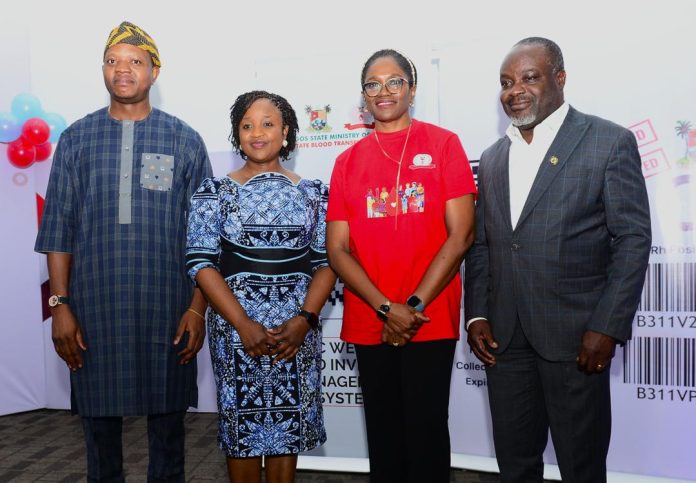
In a significant leap toward smarter healthcare delivery, Interswitch, a leading African technology company focused on creating solutions that enable individuals and communities prosper, has reaffirmed its commitment to transforming healthcare systems by playing a pivotal role in the launch of the new Lagos State Blood Transfusion Committee (LSBTC) website and Blood Inventory Management System (BIMS).

The unveiling, which took place in June 2025, marks a major milestone in Lagos State’s journey toward digitalised, data-driven health services, and forms part of the broader Lagos State Health Information Platform (Lagos SHIP) initiative; a digital framework powered by Interswitch, that connects patients, providers, and healthcare systems through integrated, technology-driven solutions.

On this project, Interswitch and partners have delivered a secure and scalable platform that now powers both the new LSBTC website and the BIMS. This system provides Lagosians, healthcare providers, blood banks, and state health officials with real-time access to blood donation and availability data, thereby improving supply coordination and enhancing the patient experience through informed, data-driven decisions.

The platform is designed to streamline the entire blood management value chain from donor registration through screening to inventory tracking and distribution, ushering in a new era of safety, efficiency, and accountability in blood services.

Speaking at the launch, Mr. Olufemi Olapegba, Managing Director of Digital Health Platforms at Interswitch, highlighted the importance of the initiative as part of a larger health-tech mission.

He said:

“At Interswitch, we are deeply committed to leveraging technology to solve real-life challenges in critical sectors, and health is a top priority. The launch of the LSBTC website and Blood Inventory Management System is a testament to how strategic innovation can enhance efficiency, transparency, and patient outcomes. By digitalising blood collection, screening, distribution, and transfusion processes, we are helping to create a more efficient, data-driven, and accountable healthcare framework that ultimately saves lives. Our collaboration with the Lagos State Government is part of our broader vision to power intelligent health systems across Africa.”

With interoperability at its core, the new system integrates seamlessly with Lagos SHIP, also powered by Interswitch, ensuring centralised access to critical health information, improving collaboration, and enabling faster responses in emergency situations.

This initiative also supports Interswitch’s expanding health-tech portfolio, which includes solutions in electronic medical records, digital claims processing, health financing, and health information exchange. By deepening its footprint in healthcare, Interswitch is helping lay the digital rails for a more inclusive, efficient, and responsive health system across the continent.

With this successful rollout, Interswitch strengthens its position as a trusted digital partner to governments and healthcare institutions, advancing access, equity, and quality in healthcare through bold, intelligent innovation.

As Lagos State continues to invest in digital transformation, the launch of the LSBTC website and Blood Inventory Management System is a clear example of what becomes possible when public sector vision meets private sector expertise, with the potential to impact millions of lives positively.

CBN Conducts N7.12 Trillion OMO Sales In Q2 2025 To Tame Market Liquidity

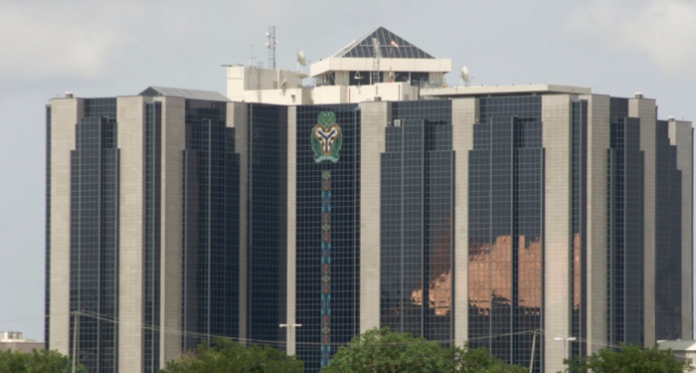
In a strategic move to curb excess liquidity and maintain equilibrium in Nigeria’s financial markets, the Central Bank of Nigeria (CBN) executed Open Market Operations (OMO) worth N7.12 trillion in the second quarter of 2025. The sales were directed at qualified financial institutions, including commercial banks and foreign portfolio investors.

Throughout the quarter, the CBN initiated eight OMO auctions designed to absorb surplus cash from the system and stabilize short-term interest rates. Despite offering a total of N4.5 trillion across its standard tenors, demand significantly outpaced supply, reflecting heightened investor appetite for high-yield fixed income instruments.

According to a Q2 financial markets update by Parthian Limited, a leading investment banking firm, the total OMO allotments reached N7.12 trillion, even with one auction resulting in no sales. The increased demand was largely fueled by elevated yields that have made OMO bills and Treasury bills increasingly attractive, particularly to Nigerian banks seeking to bolster their earnings amid lower lending activity.

Major lenders, buoyed by ample liquidity, have been allocating substantial funds—some averaging over N1 trillion—to money market instruments. This trend reflects a broader strategy to leverage favorable interest rates while minimizing credit risk.

In the secondary market, investor enthusiasm persisted. On Tuesday, the average yield on OMO instruments dipped by 31 basis points to 26.1%, driven by strong demand. The long end of the curve witnessed the most pronounced movement, as yields fell by 50 basis points to 25.90% last week. The short and medium tenors saw milder contractions, down 2 and 12 basis points to 26.14% and 27.19%, respectively, closing the week with an average yield of 26.41%.

Comparatively, yields had stood at 26.70% the prior week, marking a consistent downward trend throughout June 2025, largely attributed to persistent bargain hunting and market optimism.

DMO Attracts N799 Billion From Bond Sales In Q2 2025

DMO: Nigeria's Total Debt Hits N49.25tn

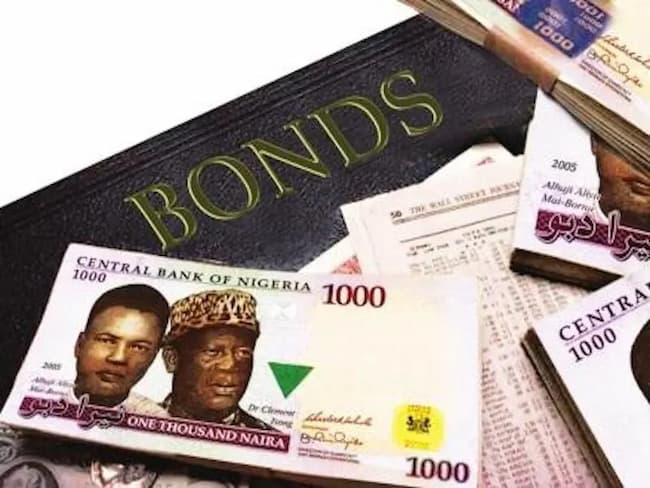
In a display of cautious fiscal strategy, the Debt Management Office (DMO) secured N798.60 billion in bond proceeds during the second quarter of 2025. The funds were raised via Federal Government of Nigeria (FGN) bond auctions held across the quarter, surpassing the N750 billion initially offered but falling short of total investor bids amounting to N1.54 trillion.

This performance represents an acceptance of just 51% of total subscriptions, suggesting a selective issuance strategy amid mixed investor sentiment and evolving economic indicators.

The DMO’s approach in Q2 marked a departure from earlier aggressive borrowing tactics, signaling a potentially shifting stance in its debt management playbook. Investment firm Parthian Limited noted that market conditions throughout the quarter were largely defined by bearish sentiment, driven by uncertainty around inflation trends and fiscal policy direction.

The fixed income market remained volatile at the quarter’s outset, with investor confidence subdued. This led to a 24 basis-point rise in average bond yields, closing April at 18.67%. However, sentiment shifted mid-quarter following the issuance of a 7-year Sukuk bond priced at 19.75%. The high-yielding offering prompted selective divestments from older Sukuk instruments as investors rebalanced their portfolios to take advantage of more attractive terms.

Subsequently, market behavior remained bearish, although by late May, demand for mid-tenor bonds began to recover. June ushered in renewed momentum as the DMO reintroduced the April 2029 bond series and launched a new 7-year issuance, prompting a wave of repositioning by investors ahead of the auction.

Parthian analysts highlighted that the June auction—featuring the new 17.95% June 2032 bond—attracted extraordinary demand. With subscriptions reaching N602 billion against a modest N100 billion offer, unmet demand spilled into the secondary market, driving yields lower on the back of sustained liquidity and improving economic sentiment, including easing inflation.

By the close of Q2, average bond yields had dropped by 63 basis points to 17.97%, with an average 70 basis-point decline observed across the curve relative to Q1 2025.

Throughout the quarter, the DMO floated N750 billion in bonds across various maturities—April 2029s, June 2032s, and May 2033s. Despite rejecting nearly half the bids, the agency successfully raised N798.6 billion, with stop rates settling at 17.75% and 17.95% for the April 2029 and June 2032 bonds, respectively.

Dollar To Naira Exchange Rate For 2nd July 2025

Dollar To Naira Exchange Rate For 8th Dec 2023

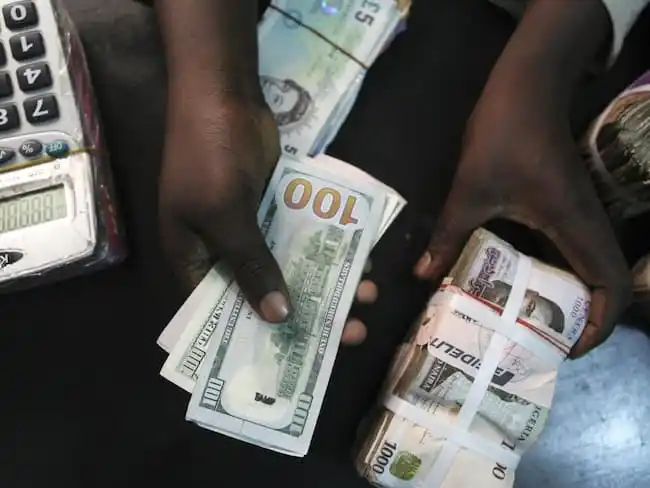
The exchange rate between the Naira and the US dollar, according to the data released on the FMDQ Security Exchange, the official forex trading portal, showed that the naira closed at 1575.00 per $1 on Wednesday, July 1st, 2025. The naira traded as high as 1521.00 to the dollar at the investors and exporters (I&E) window on Tuesday.

How much is a dollar to naira today in the black market?

Dollar to naira exchange rate today black market (Aboki dollar rate):

The exchange rate for a dollar to naira at Lagos Parallel Market (Black Market) players buy a dollar for ₦1570 and sell at ₦1575 on Tuesday 1st July, 2025, according to sources at Bureau De Change (BDC).

Please note that the Central Bank of Nigeria (CBN) does not recognize the parallel market (black market), as it has directed individuals who want to engage in Forex to approach their respective banks.

Dollar to Naira Black Market Rate Today

Dollar to Naira (USD to NGN)Black Market Exchange Rate Today
Buying Rate₦1570
Selling Rate₦1575

Dollar to Naira CBN Rate Today

Dollar to Naira (USD to NGN)CBN Rate Today
Highest Rate₦1531
Lowest Rate₦1521

Please note that the rates you buy or sell forex may be different from what is captured in this article because prices vary.

T-Bill And OMO Yields Decline As Market Eyes Q3 Borrowing Strategy

Yields on Nigerian Treasury Bills and Open Market Operation (OMO) instruments fell in the secondary market as investor sentiment turned bullish ahead of the Central Bank and Debt Management Office’s (DMO) anticipated Q3 2025 domestic borrowing calendar.

A consistent buying trend in fixed-income securities—spurred by a gradual easing in headline inflation—continued to suppress returns across tenors. With the benchmark interest rate at 27.50% and headline inflation recorded at 22.79%, a notable positive real return has attracted investor attention to short- and mid-term debt instruments.

The CBN floated ₦600 billion in OMO bills targeting 113-day and 260-day maturities, receiving a robust subscription of ₦771.65 billion. However, only the 260-day papers were allotted—totaling ₦745.40 billion—at a marginal clearing rate of 23.99%. The 113-day offering was left untouched.

This auction outcome, coupled with subdued primary market activity, set the stage for continued contraction in yields. According to analysts at Cordros Capital, average Nigerian Treasury Bills yields declined by 3 basis points to 20.2%, with contractions recorded across short (-2 bps), mid (-4 bps), and long (-2 bps) segments.

Key bills leading this decline included the 80-day (-3 bps), 143-day (-10 bps), and 339-day (-22 bps) maturities. In parallel, the OMO segment also saw a 6 basis point decline in average yields to 26.4%.

Debt market players remain cautiously optimistic, awaiting clearer signals from the Q3 borrowing plan, which is expected to shape market direction and investor positioning in the weeks ahead.

Google’s AI Mode Is Here — Big Questions It Should Be Ready To Answer

Apple

As artificial intelligence continues to evolve, Google has unveiled one of its boldest innovations yet — a new feature known simply as AI Mode, an advanced tool designed to provide conversational, in-depth answers to user queries.

Unlike traditional search functions that rely on keyword indexing, Google’s AI Mode interprets complex questions and synthesizes responses using data from multiple sources. The goal? To enable users to explore multifaceted topics with greater clarity and context — even encouraging follow-up inquiries for a deeper dive.

While the tech world buzzes with excitement over how AI Mode works, the average user is more concerned with what it can do. So, in the spirit of curiosity (and perhaps a dash of existential reckoning), here are nine of the most profound questions that users might ask this AI powerhouse — queries that have puzzled humanity for ages, and which we now dare a machine to tackle.

1. What Is the Meaning of Life?

Arguably the most enduring philosophical riddle of all time, the question of life’s purpose has baffled thinkers across cultures and centuries. Whether asked as “Why do we exist?” or “Does life have inherent meaning?”, it’s a question AI Mode may attempt to decode — even if its answer remains open-ended. While humorous takes like Monty Python’s 1983 film have approached the question creatively, Google’s AI now has the task of exploring it with logic, empathy, and perhaps a few algorithmic insights.

2. Is There a God?

Now this is a loaded question — one that bridges faith, science, and consciousness. With AI Mode programmed by human hands, it becomes intriguing to ask whether it perceives its creators as gods or merely as developers. Could it recognize humanity’s search for a higher being as parallel to its own artificial awareness? The response might reveal as much about us as it does about the AI itself.

3. What Is the Origin of the Universe?

Science offers many theories — from the Big Bang to quantum fluctuations — but none have fully satisfied the human thirst for knowing where it all began. Could Google’s AI Mode, with its access to scientific models, historical texts, and philosophical treatises, finally offer a unifying explanation? Or at least, a clearer pathway to understanding the greatest cosmic mystery of all?

4. Is There an Afterlife?

The question of what happens after death continues to haunt, inspire, and perplex. Whether posed from a religious, spiritual, or agnostic point of view, it’s one that’s difficult to answer definitively. But perhaps AI Mode could provide a synthesis of perspectives — from ancient texts to near-death experiences — giving users something more than superstition or speculation.

5. Why Am I Here? / What Is My Purpose?

Two distinct yet deeply connected questions, these inquiries tap into our fundamental need for self-understanding. From the teachings of the Stoics to the meditations of Eastern philosophy, humans have long searched for meaning beyond survival. Can Google’s AI parse through the world’s wisdom and offer personalized answers to those searching for significance?

6. When and How Will the World End?

Grim? Yes. Fascinating? Absolutely. Whether it’s due to a climate catastrophe, nuclear conflict, or a celestial event like an asteroid collision, end-of-world scenarios capture the human imagination like few others. But could AI Mode predict — or at least model — the likeliest outcomes based on current global data trends? More importantly, what if the cause turns out to be something totally unexpected?

7. Is There Intelligent Life Beyond Earth?

The search for extraterrestrial life has spanned decades, from radio telescopes to interstellar probes. But the universe remains suspiciously silent. Could AI Mode provide a new angle on this age-old question by drawing on astrobiology, astronomy, and classified (or not-so-classified) information to offer a credible perspective?

8. What Is Consciousness?

Philosophers and neuroscientists alike have attempted to define consciousness for centuries. But can an artificial intelligence reflect on what it means to be — not just to compute or analyze? If AI Mode can contribute anything novel here, it might mark a turning point in both machine learning and human self-awareness.

9. What Will the Future of Humanity Look Like?

With advancements in biotechnology, climate adaptation, and AI integration, humanity stands at a crossroads. Can Google’s AI predict the shape of things to come? Will we colonize Mars, merge with machines, or find a way to sustain life on Earth for centuries to come? If AI Mode can outline likely scenarios, it might help policymakers and visionaries make better-informed decisions today.

Final Thoughts

While Google’s AI Mode is still in its infancy, the potential to explore the deepest questions ever asked is thrilling. Whether or not it offers the final word on these monumental mysteries, its insights could spark new discussions, challenge assumptions, and perhaps, for the first time in history, bring us closer to the truth — or at least a better way of asking the right questions.

Nigeria Ends Oil Licensing, Achieves Full Pipeline Functionality

Nigerian Oil Companies Risk Sanction

The Federal Government has announced a decisive shift in its oil licensing framework, formally ending the longstanding practice of “speculative licensing” — a situation where firms acquire oil blocks but fail to explore or develop them. The new policy aims to revive Nigeria’s oil productivity and eliminate inactive oil fields.

This development coincides with a significant milestone announced by the Nigerian National Petroleum Company Limited (NNPCL), which confirmed that five of the country’s major crude evacuation pipelines have attained full operational capacity, recording 100 percent availability between May and June 2025.

The pipelines now fully functional are the Trans-Niger Pipeline, Oando Brass Pipeline, Trans Forcados Pipeline, Trans Escravos Pipeline, and the Trans Ramos Pipeline. These key arteries traverse the Niger Delta and are critical to transporting crude oil from inland production fields to offshore export terminals.

Despite these infrastructure victories, the NNPCL lamented Nigeria’s persistent inability to meet its 2025 daily oil production target of 2.02 million barrels, as stated in the national budget. Group Chief Executive Officer of NNPCL, Bayo Ojulari, noted that the root cause lies in years of underinvestment in the upstream oil sector.

“While we have overcome the long-standing bottlenecks in pipeline infrastructure, our national production still trails significantly behind potential. Last month, crude production averaged 1.35 million barrels per day, and with condensates, it reached 1.6 million bpd,” Ojulari said during the 24th Nigeria Oil and Gas Energy Week in Abuja.

The conference, themed “Accelerating Global Energy Progress Through Investment, Partnerships & Innovation,” attracted key stakeholders, regulators, and investors to reassess Nigeria’s energy trajectory.

Government to Enforce New Licensing Rules

Minister of State for Petroleum Resources (Oil), Senator Heineken Lokpobiri, emphasized that oil field licenses would henceforth be granted only to operators with proven technical and financial capability.

“We will no longer allow Nigeria’s hydrocarbon assets to be controlled by entities that neither develop them nor add value. Any company using licenses as leverage for financing without development action will lose those licenses,” Lokpobiri said.

He added that the Federal Government is reassessing all current oil block holders to ensure alignment with national economic and energy security goals.

The Minister also revealed that a consultant from the Oil Producers Trade Section (OPTS) has been engaged to work alongside the Nigerian Upstream Petroleum Regulatory Commission (NUPRC) to reform Nigeria’s fee structure for oil and gas operators. Nigeria currently has 273 different fees, which many stakeholders have decried as excessive and anti-investment.

“We’re harmonising Nigeria’s fee system with global standards. No serious investor will enter a market where fees are arbitrary and unpredictable,” Lokpobiri explained.

Investment Needed to Maximize Infrastructure Gains

Ojulari called on both local and international investors to take advantage of the improved security across the country’s oil pipeline network. He also highlighted progress in the ongoing $2.8 billion Ajaokuta-Kaduna-Kano (AKK) gas pipeline, noting that contractors had successfully crossed the River Niger, a historically difficult segment.

“We’ve resolved the infrastructure challenge. Now, we must aggressively attract new capital to maximize returns and raise production,” Ojulari stated. “The stars are beginning to align, and this is the time to act.”

Gas Sector Holds Untapped Potential

Also speaking at the conference, Minister of State for Petroleum Resources (Gas), Ekperikpe Ekpo, stressed that Nigeria’s gas sector remains a largely untapped asset. With over 200 trillion cubic feet of proven natural gas reserves, Ekpo said the country is focused on converting these resources into economic value through the Decade of Gas initiative.

This initiative targets broad economic transformation through increased domestic LPG use, industrialization, expanded power generation, gas-to-transport programs, and boosted gas exports.

“Gas must become a tool for economic empowerment. We are working to move from potential to performance,” Ekpo concluded.

Strategic Shift for a Competitive Future

The new strategic direction from the Nigerian government signals a more disciplined and investment-friendly approach in the oil and gas sector. With pipelines now fully operational, attention turns to regulatory clarity, increased capital inflow, and strict enforcement of development obligations tied to licenses.

If successfully implemented, these reforms could help Nigeria reclaim its position as a top-tier oil producer and secure long-term energy and economic stability.

Crude Oil Prices Fall Amid OPEC+ Output Adjustment And U.S. Tariff Uncertainty

Global crude oil prices experienced a mild dip as energy markets responded to new developments in production adjustments by OPEC+ members and mounting trade uncertainty from the United States.

According to fresh data, eight key OPEC+ nations are set to collectively raise their oil output by 411,000 barrels per day (b/d) in July 2025 — a more substantial increase than previously anticipated. The countries involved include oil heavyweights Saudi Arabia and Russia, alongside Iraq, UAE, Kuwait, Kazakhstan, Algeria, and Oman.

Originally, the production hike for July had been set at 134,000 b/d. However, these nations had already signaled plans earlier in May to implement the larger 411,000 b/d adjustment in June 2025 as well.

This development is part of a broader plan to gradually unwind the voluntary cuts of 2.2 million barrels per day that were introduced in Q1 2024 to stabilize prices. Those cuts had been extended through the end of March 2025, and the new roadmap outlines a gradual phase-out running through September 2026.

As the news filtered into markets, Brent crude slipped by 0.09%, trading at $66.40 per barrel, down slightly from $66.46. West Texas Intermediate (WTI) followed suit with a 0.13% drop, reaching $64.33 per barrel.

Industry analysts now anticipate a formal ratification of the July production increase at OPEC+’s meeting scheduled for July 6, which would bring the total 2025 increase to around 1.78 million b/d — about 1.5% of global demand.

Meanwhile, geopolitical uncertainty in the U.S. is also weighing on oil prices. With the 90-day pause on new tariffs set to expire next week, markets are bracing for potential economic disruption.

U.S. Treasury Secretary Scott Bessent noted in an interview with Bloomberg that countries could still face sharply higher tariffs if ongoing negotiations fail. He emphasized that even nations acting in good faith could face the reinstatement of the April 2 tariff levels if talks do not result in concrete agreements.

April 2, termed “Liberation Day” by former President Donald Trump, saw the announcement of a 10% baseline tariff rate on select imports. A temporary reprieve was granted on April 9 for countries other than China, but its expiration looms large over energy market sentiment.

Economic analysts warn that an escalation in trade tensions could hamper U.S. growth in the short term, thereby reducing energy demand and further pressuring global oil prices.

Nigeria Pushes For Stronger Economic Ties With Saint Lucia During High-Level Diplomatic Visit

Nigeria is seeking to establish deeper trade and investment partnerships with the Caribbean nation of Saint Lucia, focusing on key sectors such as renewable energy, tourism, agriculture, ICT, and manufacturing.

This was announced by Nigeria’s Minister of Foreign Affairs, Ambassador Yusuf Tuggar, during a bilateral meeting with Saint Lucia’s Minister for External Affairs, International Trade, Civil Aviation, and Diaspora Affairs, Alva Romanus Baptiste.

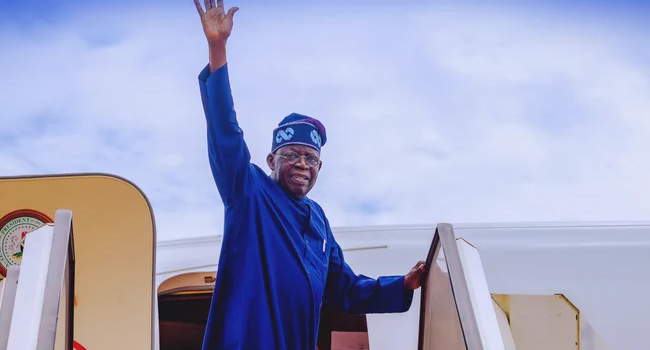
The meeting took place amid President Bola Ahmed Tinubu’s official state visit to the island nation and was designed to promote stronger diplomatic, economic, and cultural links between the two countries.

A statement from Alkasim Abdulkadir, Special Assistant on Media and Communications Strategy to the minister, revealed that Ambassador Tuggar thanked Baptiste for his commitment to fostering stronger bilateral engagement. He emphasized that the shared African ancestry, shaped by the transatlantic slave trade and a mutual colonial past, provides a strong foundation for renewed collaboration.

Tuggar noted that while Nigeria’s High Commission in Port of Spain, Trinidad and Tobago, currently provides interim consular services for Saint Lucia, the establishment of formal diplomatic relations would allow for more structured and productive bilateral cooperation.

As part of a roadmap for engagement, Tuggar proposed the creation of a structured partnership between Nigeria’s Technical Aid Corps (NTAC) and Saint Lucia’s Political and Economic Cooperation Development Division. This partnership would facilitate the exchange of professional expertise in education, healthcare, agriculture, and technical fields.

Additionally, the minister advocated for joint programs on institutional development, youth empowerment, and governance reforms that could serve as templates for broader Africa–Caribbean integration.

Tuggar also urged both nations to explore education diplomacy through scholarships, faculty exchanges, and collaborative academic research to deepen people-to-people relations.

He stressed the need for coordinated action on shared challenges such as climate change, access to climate finance, and disaster preparedness. Nigeria, he said, stands ready to represent Saint Lucia and other Small Island Developing States (SIDS) on platforms like the United Nations, the Commonwealth, the African Union (AU), and the Caribbean Community (CARICOM).

The diplomatic discussions were attended by key Nigerian officials including Minister of Art, Culture, Tourism, and Creative Economy Hannatu Musawa and Dr. Yusuf Yakub, Director-General of the NTAC.

Reps Launch Probe Into Nigeria’s €1.2 Million Membership Dues To OACPS

The House of Representatives has initiated a formal investigation into Nigeria’s unpaid €1.2 million financial contribution to the Organisation of African, Caribbean and Pacific States (OACPS).

The probe follows mounting concerns over Nigeria’s inconsistent commitment to fulfilling its financial responsibilities to the multilateral body, which supports economic cooperation and development among its members. Like other countries in the OACPS, Nigeria is obligated to contribute to the organisation’s central budget and support ongoing initiatives.

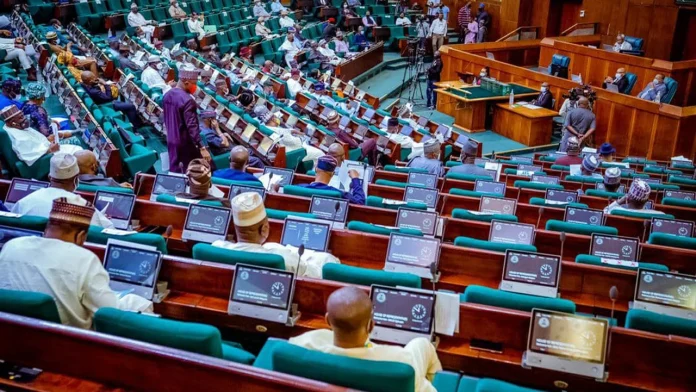
The move was prompted by a motion raised as a matter of urgent national importance by the Deputy Chief Whip of the House, Hon. Ibrahim Isiaka, during Tuesday’s plenary session. Representing Ogun State, Isiaka highlighted that Nigeria had significantly benefited from over €1.7 billion in development support since 2020, made possible through the OACPS-European Union partnership.

Despite these substantial benefits, Isiaka expressed concern that Nigeria still lags in fulfilling its own financial commitments to the organisation. He noted that this lapse could undermine the country’s standing within the OACPS and expose it to potential diplomatic and economic sanctions.

He added that Nigeria’s ongoing access to strategic development funds—particularly through the now-concluded OACPS-EU Cotonou Agreement—was at risk, warning that failure to pay the outstanding sum could threaten further collaboration.

Following deliberations, Speaker of the House, Rep. Abbas Tajudeen, directed the Committees on Finance, National Planning, and Debt Management to thoroughly assess the situation. The committees have been tasked with evaluating the implications of the arrears and collaborating with relevant ministries and agencies to expedite the payment process.

The committees are expected to present their findings and recommendations within two weeks.

NNPCL Achieves 100% Pipeline Availability As Oil Output Prospects Rise

The Nigerian National Petroleum Company Limited (NNPC Ltd.) has announced a major operational milestone—achieving 100 percent availability across its crude oil pipeline network during June 2025.

Group Chief Executive Officer of NNPC Ltd., Mr. Bashir Ojulari, shared the development on Tuesday while delivering the keynote address at the 24th edition of the Nigeria Oil and Gas (NOG) Energy Week, held in Abuja.

Ojulari attributed the achievement to enhanced security coordination across the oil and gas infrastructure chain, an effort spearheaded by NNPC Ltd. He noted that the uninterrupted functionality of crude oil pipelines had played a pivotal role in boosting daily oil production.

“This is a significant turnaround from the past. For the first time in years, we’ve seen sustained 100% uptime on our major pipelines, which is already reflecting positively in national output,” Ojulari stated.

He also emphasized that NNPC Ltd. had overcome longstanding challenges in meeting its cash-call obligations in joint venture agreements, noting that the company now consistently secures financing for its operations.

Additionally, Ojulari revealed that the ongoing construction of the Ajaokuta-Kaduna-Kano (AKK) Gas Pipeline had passed a critical milestone—crossing the River Niger. He expressed optimism that the pipeline will be completed by the fourth quarter of 2025. The success, he said, was driven by contract reengineering and strategic collaboration within the industry.

Commenting on the broader regulatory framework, Ojulari said the Petroleum Industry Act (PIA) continues to empower NNPC Ltd. to lead major financing and infrastructure development initiatives.

In his remarks, Mr. Abdulrazaq Isa, Chairman of the Independent Petroleum Producers Group (IPPG), highlighted that the Nigerian oil and gas sector is at a defining moment. He explained that new policy directions and the successful completion of International Oil Companies (IOCs) divestments provide a foundation for accelerated reforms.

Isa emphasized that the industry must align with President Bola Tinubu’s target of increasing daily production to three million barrels of oil and 12 billion cubic feet of gas by 2030. He posed two critical questions for stakeholders: “Where will the incremental production of 1.3 million barrels of oil and 4.5 billion cubic feet of gas come from in five years? What measures will sustain this output?”

He stated that recently divested onshore and shallow water assets—now under the control of indigenous players—are key to achieving this target.

“We in the IPPG understand this responsibility. Many of us have already started implementing strategic plans to increase output from these assets,” Isa affirmed.

He urged all domestic producers, who now account for more than 50% of the country’s hydrocarbon output, to stay committed to building a globally competitive oil and gas industry.

NGX Suffers N150bn Loss As Sell-Off Hits Dangote Stocks

NGX Records N256bn Loss Last Week

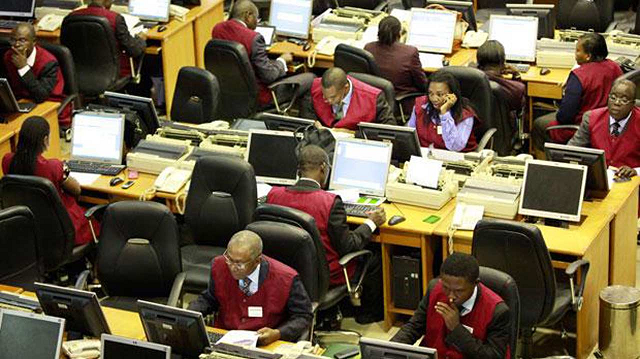
The Nigerian equities market faced another setback on Tuesday as major losses in Dangote-linked stocks dragged down the Nigerian Exchange (NGX), leading to a staggering N150 billion decline in investor wealth.

This negative performance marked the fourth consecutive session of losses, with the All-Share Index (ASI) slipping by 0.20%, shedding 237.34 points to close at 119,741.23. The market downturn was primarily driven by steep declines in high-cap stocks, particularly Dangote Cement (DANGCEM) and Dangote Sugar Refinery Plc (DANGSUGAR), alongside losses in ZENITHBANK and other heavyweights.

Despite a generally positive market breadth, the persistent sell pressure on blue-chip stocks kept the market in the red, bringing the total four-day cumulative loss to nearly ₦960 billion.

Trading activity on the NGX slowed sharply, as both the total volume and value of traded securities plunged by over 74%. According to Atlass Portfolio Limited, approximately 513.92 million shares valued at ₦10.99 billion were exchanged across 21,221 transactions.

ELLAHLAKES led in volume, accounting for 8.76% of the day’s trades, followed by UPDC (7.32%), UNIVINSURE (5.78%), Nigerian Breweries (5.50%), and JAPAULGOLD (4.14%).

In terms of value, Nigerian Breweries emerged as the top performer, contributing 15.51% of the total traded value on the floor of the exchange.

On the gainers’ chart, MCNICHOLS, RTBRISCOE, HONYFLOUR, and MBENEFIT recorded a 10% price surge each, while LASACO, NEIMETH, MEYER, ELLAHLAKES, and CAVERTON also posted notable gains close to the upper threshold.

Conversely, UPL topped the losers’ table with a 10% decline, trailed by HMCALL (-4.76%), DANGCEM (-3.41%), DANGSUGAR (-1.78%), ZENITHBANK (-1.58%), and GTCO (-1.23%).

Overall, 46 equities appreciated, while 23 declined—indicating a positive market breadth despite the overall bearish trend. Sectoral performance, however, remained weak. The industrial sector dropped 3.17%, insurance fell 2.24%, and oil & gas declined by 1.86%. Meanwhile, the banking and consumer goods sectors saw gains of 17.99% and 31.60%, respectively.

By the close of trading, the NGX’s total market capitalization had dipped by ₦150.24 billion, settling at ₦75.80 trillion.

FGN Bond Yields Drop To 18.38% As Demand Outpaces Supply

FGN Bond For Jan. 2021 Oversubscribed

The average yield on Nigerian government bonds dipped to 18.38% in the secondary market, supported by strong investor demand amid relatively tight supply conditions.

Despite muted trading activity, investor appetite for fixed-income securities remained strong, particularly on the long end of the curve. Recent bond issuances by the Debt Management Office (DMO) reflected a strategic shift toward diversifying funding sources, as the government reduces dependence on local borrowing to bridge fiscal deficits—especially following subsidy removal and persistent oil production shortfalls.

Market performance remained largely stable, with minor selling pressure at the mid-segment (+3 bps) balanced by notable demand at the long end (-4 bps). Bonds such as the JUL-2045 witnessed strong buying, leading to a significant 25 basis point decline in yields, offsetting moderate upticks in bonds like JUL-2030 (+10 bps) and FEB-2031 (+14 bps).

Cordros Capital reported a mixed yield movement across the benchmark curve: short-term (+2 bps), mid-term (+3 bps), and long-term (-4 bps) tenors. Trading interest focused on maturities such as Apr 2029, Feb 2031, and May 2033.

The Federal Government of Nigeria (FGN) bond market closed the previous week on a bullish note, with average yields across all tenors falling by 19 basis points to 18.38%. Short-dated bonds posted the largest yield drops, down 23 basis points to 18.96%, followed by medium- and long-term bonds, which closed at 18.43% and 17.12%, respectively.

Analysts at Coronation Merchant Bank anticipate that the rally in the bond market will persist in the short term, underpinned by declining inflation expectations, a stable naira, and prospects of monetary policy easing.

However, key macroeconomic developments—such as the upcoming GDP report and the July Monetary Policy Committee (MPC) decision—could introduce temporary volatility. In the interim, investors are expected to maintain cautious optimism and favor longer durations to lock in elevated returns before further yield compression occurs.

OMO Auction Triggers Sharp Uptick In Nigerian Money Market Rates

How Much Money Is Spent On Groceries In Nigeria, Other Countries?

In a strategic move to mop up excess liquidity from the financial system, the Central Bank of Nigeria (CBN) conducted a sizable Open Market Operation (OMO) auction on Monday, which led to a notable uptick in short-term money market rates.

At the start of the trading week, the market was flush with liquidity exceeding ₦1.5 trillion, supported by anticipated inflows. In response, the CBN intervened with a ₦600 billion OMO bill offer, targeting the 113-day and 260-day tenors. This liquidity management initiative pushed the average money market rate to 26.5%, reflecting a deliberate policy stance aimed at tightening financial conditions.

The action signaled the CBN’s commitment to stabilizing short-term market dynamics. Analysts noted that the move was a pre-emptive strategy designed to curtail a potential liquidity glut and ensure equilibrium in the financial ecosystem.

According to trading data from FMDQ, the Open Repo Rate (OPR) edged up by 8 basis points to 26.58%, while the Overnight Rate (OVN) climbed 17 basis points to close at 27.17%. These adjustments reflect a moderate tightening in short-term liquidity.

AIICO Capital Limited, in its market commentary, projected that short-term rates would remain elevated in the absence of any major liquidity injections. The Nigerian Interbank Offered Rate (NIBOR) exhibited mixed movement, retreating across most maturities except the overnight tenor, which advanced by 8 basis points.

Meanwhile, activity in the Nigerian Treasury Bills (NITTY) market was subdued, with the yield curve slipping across most tenors. This trend contributed to a 3 basis point drop in average secondary market yields, settling at 20.20%. The modest bullish sentiment indicates investor preference for medium- and short-term instruments despite the overarching tightening stance.

Naira Maintains Strength At N1529, Official And Parallel FX Markets See Narrower Margin

Federation Account Amasses Over ₦5trn In 6months- RMAFC

Nigeria’s local currency held firm against the US dollar on Tuesday, reflecting sustained market confidence and adequate foreign exchange liquidity within the Nigerian Foreign Exchange Market (NFEM).

At the close of trading, the naira recorded a marginal change, settling at N1529 per dollar in the official window, according to figures released by the Central Bank of Nigeria (CBN). This stability comes as Nigeria continues to benefit from steady dollar inflows from foreign portfolio investors, exporters, and the CBN’s consistent market interventions.

Official data shows a modest appreciation in the value of the naira, which moved from N1529.71 to N1529.57 per dollar. Market participants conducted transactions within a tight range—between N1521 at the low end and N1531.50 at the high—before closing at N1527, reflecting moderate market activity without extreme volatility.

According to a CBN statement, the official exchange rate represents a volume-weighted average rate, making it the market’s reference point for the day’s foreign exchange dealings.

Meanwhile, in the unofficial or parallel market, the exchange rate remained static at N1565 per dollar, resulting in a relatively narrow spread of N31 between the two segments. The CBN continues to pursue a foreign exchange convergence strategy, aimed at reducing arbitrage and enhancing naira stability.

Commodity Markets Respond to Global Shifts

Elsewhere, in the global commodities market, oil prices saw modest gains as traders weighed positive demand signals amid caution ahead of the anticipated OPEC+ meeting, which is expected to determine production levels for August.

Brent crude rose by $0.37 (0.6%) to close at $67.11 per barrel, while West Texas Intermediate (WTI) advanced by $0.34 (0.5%) to reach $65.45 per barrel.

Simultaneously, the gold market surged, with prices climbing more than 1%, as investors sought safer assets amid global uncertainty. The movement followed the U.S. Senate’s approval of President Trump’s legislative package, dubbed the “big, beautiful bill,” ahead of looming tariff decisions expected by July 9.

Spot gold rose to $3,338.24 per ounce, a 1.1% gain, while U.S. gold futures ended the session up by 1.3%, closing at $3,349.80 per ounce.

Volatility in Q2 Driven by Geopolitical Tensions

A report from investment advisory firm Parthian Partners has shed light on the intense volatility seen across commodity markets during the second quarter of 2025, largely driven by heightened geopolitical risk.

In particular, a 12-day conflict in the Middle East—sparked by a series of targeted attacks on Iran’s nuclear infrastructure in mid-June—caused a temporary spike in oil prices. Brent crude soared above $80 per barrel at the height of the conflict, offering oil-exporting nations in Sub-Saharan Africa a temporary fiscal boost.

However, oil-importing countries faced mounting pressure due to surging energy costs. Relief came when an international ceasefire was quickly brokered, calming markets and allowing oil prices to retrace back to the mid-$60s by the end of June.

The temporary risk premium on oil eased as OPEC+ signaled a gradual increase in production quotas, and U.S. shale output surged to record highs. Despite this stabilization, Parthian emphasized that the sharp fluctuations throughout the quarter demonstrated the vulnerability of commodity markets to geopolitical disruptions.

Outlook: CBN Eyes Long-Term FX Stability

As the naira remains steady, analysts point to Nigeria’s positive foreign investor sentiment, healthy reserves, and increased non-oil exports as encouraging signs. The CBN’s goal of narrowing the official-parallel market spread and fostering long-term exchange rate stability remains central to its broader economic strategy.

Market watchers will continue to monitor upcoming monetary policy signals, geopolitical developments, and global oil trends as key variables likely to shape Nigeria’s forex and fiscal outlook in the coming months.

Google Showcases ‘AI Mode’ via Homepage Doodle As It Pushes Generative Search Innovation

In a move that underscores its commitment to redefining the search experience, Google has unveiled a new promotional campaign on its homepage spotlighting “AI Mode” — the tech giant’s latest artificial intelligence-powered search feature.

The feature took over the coveted Google Doodle space — widely recognized as one of Alphabet’s most influential digital assets — on Tuesday. The dynamic homepage banner, now animated, acts as a gateway to AI Mode. Users clicking the doodle are redirected to the new AI-enhanced search interface. Notably, the promotional image also includes a dedicated share button, encouraging broader reach through social sharing.

This marks a significant pivot in how Google is positioning its generative AI tools to compete with emerging powerhouses like OpenAI’s ChatGPT, Anthropic’s Claude, and Perplexity AI — all of which are reshaping how users interact with information online.

AI Mode, which was quietly integrated into the main search results interface back in March, offers users a more conversational and intuitive approach to finding information. Dubbed a “chatbot-like” search enhancement, the tool enables users to input queries via text, voice, or even image uploads. Powered by Google’s flagship large language model, Gemini, AI Mode is engineered to deliver instant, context-rich responses — particularly for layered or complex questions that typically require multiple queries.

The product tagline — “Search whatever’s on your mind and get AI-powered responses” — pops up when accessed via Google’s landing page, signaling the company’s commitment to making the AI-first search experience more visible to everyday users.

In a rare design shift last month, Google also began testing AI Mode’s placement directly beneath the traditional search bar, replacing the long-standing “I’m Feeling Lucky” button. The subtle but symbolic design change indicates the platform’s long-term vision: to place AI at the core of digital discovery.

As Alphabet intensifies its push to dominate the AI search landscape, Tuesday’s doodle promotion represents more than just a product highlight — it’s a signal that AI Mode could soon become a staple of the global search experience.

Real Madrid March Into Club World Cup Quarter-finals With Narrow Victory Over Juventus

Real Madrid secured a place in the quarter-finals of the FIFA Club World Cup after edging past Juventus with a 1-0 win at the Hard Rock Stadium on Tuesday night.

The crucial goal came from Gonzalo Garcia, whose expertly timed header in the 54th minute proved to be the difference. Madrid now awaits the winner of the clash between Borussia Dortmund and Mexican side Monterrey to determine their opponent in the next round.

It was a performance of discipline and control from Madrid under the management of Xabi Alonso. Adding a boost to their campaign, Kylian Mbappe made his much-anticipated return from illness, entering the match in the 68th minute — his first appearance in the competition.

Juventus, guided by Igor Tudor, started the match strongly. Randal Kolo Muani nearly gave the Italian side an early lead after being set up by Kenan Yildiz, only for his attempted chip over Thibaut Courtois to drift high. Yildiz continued to trouble Madrid’s backline, with a deflected shot narrowly missing the post.

Despite Juventus’ early dominance, Madrid grew into the contest. Jude Bellingham forced a reflex save from Michele Di Gregorio, while Federico Valverde and Trent Alexander-Arnold also threatened before the break with long-range efforts and dangerous crosses.

The second half began much like the first ended — with Madrid in command. Valverde and Bellingham tested Di Gregorio repeatedly before Alexander-Arnold delivered a precise cross that Garcia met with a powerful header to register his third goal of the tournament.

Juventus tried to rally through Francisco Conceicao and Nicolas Gonzalez, but Courtois remained alert to deny them. Madrid, however, remained aggressive, and the crowd of over 62,000 erupted when Mbappe took the field.

Young midfielder Arda Guler nearly doubled the lead late in the match, but his low shot was blocked by Di Gregorio’s legs. In the end, Garcia’s header proved sufficient to send Madrid into the last eight.

Dollar To Naira Exchange Rate For 1st July 2025

Dollar To Naira Exchange Rate For 8th Dec 2023

The exchange rate between the Naira and the US dollar, according to the data released on the FMDQ Security Exchange, the official forex trading portal, showed that the naira closed at 1575.00 per $1 on Tuesday, July 1st, 2025. The naira traded as high as 1528.00 to the dollar at the investors and exporters (I&E) window on Monday.

How much is a dollar to naira today in the black market?

Dollar to naira exchange rate today black market (Aboki dollar rate):

The exchange rate for a dollar to naira at Lagos Parallel Market (Black Market) players buy a dollar for ₦1570 and sell at ₦1575 on Monday 30th June, 2025, according to sources at Bureau De Change (BDC).

Please note that the Central Bank of Nigeria (CBN) does not recognize the parallel market (black market), as it has directed individuals who want to engage in Forex to approach their respective banks.

Dollar to Naira Black Market Rate Today

Dollar to Naira (USD to NGN)Black Market Exchange Rate Today
Buying Rate₦1570
Selling Rate₦1575

Dollar to Naira CBN Rate Today

Dollar to Naira (USD to NGN)CBN Rate Today
Highest Rate₦1533
Lowest Rate₦1528

Please note that the rates you buy or sell forex may be different from what is captured in this article because prices vary.

Insurance: What Policyholders Should Know About Claims

Insurance

When misfortune strikes, insurance should provide relief, not additional hardship. Yet many Nigerians continue to face frustrating delays when filing insurance claims, sometimes waiting months or even years for the compensation they are entitled to.

Recent regulatory shifts are forcing insurance companies to prioritise prompt claims payments to rebuild trust in the industry. However, policyholders also have a crucial role to play to ensure their claims are processed quickly and without unnecessary disputes.

Below are practical steps every policyholder and beneficiary should know to improve the chances of a smooth claims process:

1. Understand Your Policy

Before you ever need to file a claim, take time to fully understand what your insurance policy covers and the exclusions it contains. Many claims are delayed or denied because the incident falls outside the scope of the policy, or because the policyholder was unaware of required conditions, such as using specific repair centres for auto insurance claims.

If there is any unclear section in your policy, request clarification from your insurer or your insurance broker. This will help you manage expectations and avoid unpleasant surprises during the claims process.

2. Keep Records and Documentation

Proper documentation is one of the most important factors in speeding up insurance claims.

  • For life insurance, this may include a death certificate, medical reports, proof of relationship, and a valid ID.
  • For motor insurance, photos of the accident scene, police reports, and repair estimates may be necessary.
  • For health claims, medical bills, prescriptions, and doctor’s reports are often required.

Without these, even the most genuine claim may face delays. Always collect and safely store relevant documents to support your claims.

3. Report Claims Promptly

Insurance policies often require you to notify the insurer within a specific timeframe after an incident occurs. Delays can complicate the verification process or result in denial of your claim. Contact your insurer immediately after an incident and ask for a clear guide on the documentation and steps required.

4. Be Honest and Transparent

Insurance relies on trust, and any attempt to misrepresent facts can lead to complications. When filing a claim, provide complete and accurate information about the incident. If your insurer requests additional documents or explanations, respond promptly and truthfully. Avoid inflating the value of claims or hiding relevant facts, as this can lead to suspicion, closer scrutiny, and delays, even if your claim is valid.

5. Follow Up Regularly

After submitting your claim, maintain regular contact with your insurer to track progress. Request confirmation of receipt of your documents and ask for estimated processing timelines. Regular polite follow-ups keep your claim active and help you identify any missing information early.

6. Know Your Rights

If your insurer is unreasonably delaying or denying your claim without clear explanation, you have the right to escalate your complaint to the insurance ombudsman or the National Insurance Commission (NAICOM). Keeping records of all correspondence with your insurer will be helpful if escalation becomes necessary.

Why This Matters Now

Regulators are putting pressure on insurance companies to improve their claims settlement record. Insurers risk penalties or even licence withdrawal if they fail to pay genuine claims promptly. However, to benefit from this environment, policyholders must ensure they have fulfilled their responsibilities by:

Understanding their policy terms.
Keeping complete documentation.
Reporting claims promptly.
Being truthful and transparent.
Following up to ensure accountability.

Insurance is a promise of protection, but fulfilling that promise requires preparedness from both sides. By staying informed, organised, and transparent, you will significantly improve your chances of getting timely payouts when you need them most.

BizWatchNigeria.Ng
Privacy Overview

This website uses cookies so that we can provide you with the best user experience possible. Cookie information is stored in your browser and performs functions such as recognising you when you return to our website and helping our team to understand which sections of the website you find most interesting and useful.