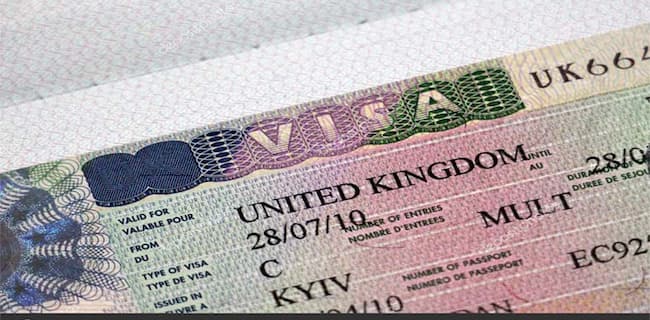
Beginning July 15, 2025, most Nigerian nationals applying for study or work visas to the United Kingdom will begin receiving digital eVisas instead of physical visa stickers, the British High Commission in Abuja has announced.
This transition to digital visas marks a significant shift in the UK’s immigration system, aiming to improve speed, security, and efficiency for travelers. The announcement was made in a statement signed by Onyinye Madu and made available to newsmen on Wednesday. “Starting from July 15, 2025, most study and work visa applicants will receive a digital eVisa instead of receiving a visa ‘vignette’ or sticker in their passport,” the statement read. “This marks a significant step in the UK Government’s transition to a modern, digital immigration system.”
Under the new system, successful applicants will receive secure online access to their visa status via a UKVI account. They will still need to visit a Visa Application Centre to provide biometric information, but if a vignette is not required, their passports will be returned the same day as applicants applying as dependents (e.g., spouse or child), and applicants for other visa types (e.g., standard visitor visas), will still receive a visa sticker in their passport,” the statement added, clarifying that not all categories are affected by the change.
The British High Commission explained that individuals who applied before July 15 would continue with the current process, which includes leaving their passports at the application centre and receiving a vignette upon approval. Once a decision is made, applicants will receive an email from UK Visas and Immigration (UKVI) with the outcome and instructions to create a UKVI account where they can access their digital visa.
“We’re making it easier and faster for Nigerians to travel to the UK,” said Gill Lever, the UK Chargé d’Affaires. “From 15 July 2025, most people applying for study or work visas will get a digital eVisa instead of a visa sticker in their passport.” Lever described the rollout as “a further big step to a fully digital UK immigration system,” which she said would make the process “more secure, more efficient, and more convenient for students, professionals, and families.”
According to the High Commission, eVisas have already replaced Biometric Residence Permits (BRPs) for individuals granted leave to remain in the UK for over six months. The next phase extends this change to study and work visa applicants from Nigeria. The statement also noted that customers with a UKVI account will be able to use the “View and Prove” service to securely share their immigration status with third parties such as employers or landlords in England.
“However, if you’re applying as a dependant, like a spouse or child, of someone who is studying or working in the UK, or if you are applying for a visitor visa, you’ll still receive a visa vignette sticker in your passport for the time being,” it clarified.
Once upon a time, trading used to follow strict hours. The market opened, the market closed, and if you missed the window—well, better luck tomorrow. But for many savvy Nigerians today, that timeline is obsolete.
Thanks to modern apps, trading has become a 24-hour sport. Whether you’re stuck in Third Mainland Bridge traffic or prepping PowerPoint slides at 2 a.m., you can buy, sell, monitor, and adjust your portfolio—like clockwork.
So how did this shift happen? And what does it mean for business-class professionals juggling meetings, family, and now—trades? Let’s break it down.
1. Trading isn’t just for stockbrokers anymore—apps made it personal
Remember when you needed a middleman in a crisp suit to buy shares? That’s long gone. Today’s trading apps put power in your palm—literally.
Platforms like Bamboo, Meritrade and Invest Africa have turned smartphones into mini stock exchanges. They offer global market access—think NYSE, NASDAQ, and even Chinese tech stocks—right from your phone. No gatekeeping. No minimum million-naira deposit.
And yes, while the New York Stock Exchange might sleep, crypto doesn’t. Forex doesn’t. Even some ETFs stay active after hours. So your portfolio? It keeps moving.
2. Global markets, local time zones—trading across continents while eating amala
Here’s the thing: the market may sleep in New York, but it’s already awake in Tokyo. With apps integrating multi-market data feeds, Nigerian users can seamlessly switch from American equities in the afternoon to Asian markets by dawn.
It’s like being in three boardrooms at once—without leaving your living room in Lekki or your hotel room in London. For professionals who already live in multiple time zones mentally—conference calls with the UK at 10 a.m., emails from California by midnight—this model fits perfectly.
3. Crypto never clocks out—and Nigerians know it
Let’s be honest: crypto changed the tempo of trading for good. Bitcoin doesn’t care if it’s Sunday. Ethereum doesn’t pause for public holidays. And apps like Binance have made it easier than ever for Nigerians to play in this round-the-clock arena.
Even better? Some apps offer automated bots or scheduled trades, so even if you’re deep in REM sleep, your money isn’t idle. It’s earning—or at least, trying to. And sure, the market can be brutal. But as any trader will tell you, volatility is just another word for opportunity—if you know how to ride the wave.
4. Naira’s unpredictable mood swings? Apps help you hedge the drama
The naira is… let’s just say, emotionally complex. Between official rates, parallel markets, and sudden CBN announcements, many Nigerians are rightfully wary of keeping their savings in just one currency.
Modern apps offer a cushion—multi-currency wallets, dollar-denominated assets, and even stablecoins like USDT. It’s like financial mood insurance. Whether the naira wakes up cheerful or cranky, you’ve got options.
This is especially crucial for professionals managing salaries, school fees, or remote work payments across borders. You don’t want your child’s tuition fee wiped out by a 6% devaluation overnight.
5. Micro-investing: because not everyone has ₦10 million to “spare”
This part’s important. One of the smartest things modern apps did? They erased the entry barrier. You can now buy fractions of Tesla or Google stocks for less than a plate of jollof rice at a VI restaurant.
And no, that’s not an exaggeration. Apps like Bamboo and Passfolio let users invest as little as $1. That’s empowering—especially for young professionals or side-hustlers trying to build wealth in bite-sized chunks. There’s something powerful about looking at your phone and seeing a portion of your salary working for you. It’s subtle, but deeply motivating.
6. AI, bots, and notifications—your trading assistant never sleeps
These apps aren’t just platforms—they’re personal finance assistants. You get push alerts about price drops. AI-generated insights. Curated market news. Even voice-activated commands in some apps (yes, seriously).
Some tools let you mirror the moves of successful investors—kind of like a financial version of Instagram stalking, but productive. Others let you set price triggers or automate dollar-cost averaging, so you don’t panic-sell every time Elon tweets something bizarre. The goal? Steady hands, smarter decisions.
7. One phone, many markets—Nigeria’s digital literacy is winning
Let’s not forget the cultural shift here. Nigeria has some of the highest mobile penetration and internet-savvy youth on the continent. Combine that with an appetite for hustle, and you’ve got a perfect storm.
Trading groups on Telegram? Check.
YouTube breakdowns of candlestick patterns? Check. X (formerly Twitter) threads analyzing global macro events from a Lagos lens? Absolutely. Apps have become more than tools—they’re gateways to conversations, ideas, even mentorship. In a way, 24/7 trading isn’t just about money—it’s about learning, evolving, and being part of something bigger.
So… should you jump in too?
Honestly? That’s up to you. Trading 24/7 sounds exciting, but it also requires discipline. You can’t be glued to your screen chasing every tick—it’s not sustainable.
But if you’re a business-minded Nigerian professional—juggling work, side projects, kids, and the occasional Asake concert—these apps are worth exploring. Not just to grow your money, but to understand how money moves. Because these days, the market never really closes. And neither should your options.
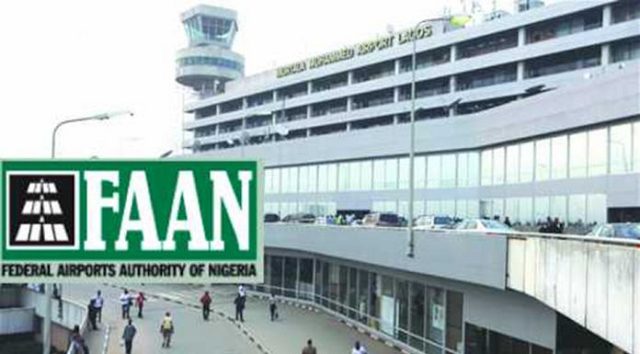
Passenger processing time at Murtala Muhammed International Airport (MMIA), Lagos, has been reduced from an average of three hours to just 45 minutes following a series of innovations and technology upgrades by the Federal Airports Authority of Nigeria (FAAN).
Previously, travellers faced lengthy delays due to multiple luggage checks, dilapidated infrastructure, and slow passenger movement, often requiring arrival at the airport three hours before departure. However, under the leadership of FAAN Managing Director Olubunmi Kuku, passenger facilitation at Lagos airport has undergone significant reform, transforming the travel experience.
The D-wing departure area of MMIA’s old terminal has undergone a complete renovation and expansion to accommodate more passengers and improve processing speed. The upgraded wing now features contactless scanning of boarding passes before immigration, while inside, six passport control points and a fast-track lane manned by immigration and DSS personnel speed up clearance.
The D-wing offers a modern, welcoming ambience with curated artwork showcasing Nigerian culture and strategically placed natural flowers that enhance the terminal’s aesthetic appeal.
The improvements align with International Civil Aviation Organisation (ICAO) standards, which recommend a maximum of 45 minutes for processing passengers from vehicle entrance to airside, and vice versa upon arrival.
Passengers have reported noticeable improvements in processing speed, highlighting the impact of new eGates and automated passport readers that have replaced manual form-filling. “Now, you just scan your passport, and the personnel only need to check it inside. It’s faster and simpler,” a passenger shared.
FAAN has also deployed AI-powered security scanners, such as the Orion 927DX, which provide advanced imaging capabilities to enhance security checks while reducing physical searches that previously caused delays.
An airport official described the progress as a “2,000 percent improvement,” noting that the addition of more wings, upgraded scanning systems, and streamlined screening processes have drastically improved passenger throughput.
“Everywhere you go, there’s an input and a touch from FAAN. As they say, what men can’t do, women have done better,” another passenger remarked, praising the leadership driving the transformation.
With these changes, passengers at Lagos airport can now complete departure formalities in under an hour, marking a significant milestone in Nigeria’s efforts to modernise its aviation sector and improve customer experience.
The International Monetary Fund (IMF) has reaffirmed its commitment to supporting the Federal Inland Revenue Service (FIRS) in its ongoing reforms. The global financial institution commended the agency for making significant progress in its core duties.
According to a statement from the Special Adviser on Media to the FIRS chairman, Dare Adekanmbi, a Senior Economist at the Fiscal Affairs Department of the IMF, Paulo Paz, made the pledge during the opening of the IMF-supported Headquarters Mission at the Revenue House in Abuja. “We want to know how we can best support you with this new challenge,” Paz said, referring to the recently signed tax laws. “Our take on the four tax laws is, first, a recognition of the very good work that FIRS has been providing to the citizens.”
Paz also added that the new tax laws will have a significant impact on Nigeria, saying, “You have at the same time the recognition and new responsibilities with these very powerful laws, which will increase the relevance of the tax administration in Nigeria.” FIRS Chairman, Zacch Adedeji, who was represented by his Chief of Staff, Tayo Koleosho, welcomed the IMF team and expressed appreciation for the organization’s support. Adedeji highlighted the agency’s collaboration with the IMF in portfolio management and compliance programs.
“The IMF has gone on this journey with us, and I think we are in a good place to continue the journey together,” he said. “We are working together in digital transformation, VAT automation, and even the compliance programme and the ability to automate some of those things.” The Coordinating Director, Corporate Services Group, Bolaji Akintola, noted that the IMF has been a critical stakeholder in FIRS’ journey towards tax system reforms. She said the agency, with the support of the IMF, conducted two systemic evaluation exercises using the Tax Administration Diagnostic Assessment Tool (TADAT) between 2018 and 2023.
The results of the 2023 TADAT showed significant improvement over those of 2018, indicating the commitment of the Service towards institutional excellence, Akintola said. “Let me assure you that if another TADAT is conducted today, the result will be better than that of 2023 because a good number of the weak indicators from the 2023 Performance Assessment Report have been addressed and some have been codified in the four tax reform laws recently signed by President Bola Tinubu.”
Crude oil prices climbed on Thursday, supported by a weaker US dollar and expectations of strong fuel demand in the United States, the world’s largest oil consumer.
Global oil prices have been volatile amid renewed US tariff threats and concerns over potential damage to global economic growth. Analysts have expressed worries that President Donald Trump’s use of tariffs against longstanding allies could reverse the global trade order, adding uncertainty to commodity markets.
The US dollar has weakened against major trading partners as investors reduced their exposure to the greenback, making oil cheaper for holders of other currencies and boosting demand. The US dollar index dipped 0.15% to 97.055 in early Thursday trading.
Brent crude rose to $69.62 per barrel, while US benchmark West Texas Intermediate (WTI) inched up by 0.01% to $67.30 per barrel from $67.29 in the previous session.
The US Energy Information Administration (EIA) reported a 2.7 million barrel drop in gasoline inventories last week, indicating strong fuel demand during the July 4 holiday period.
Further supporting market sentiment, minutes from the US Federal Reserve’s recent meeting showed that most Fed officials see it appropriate to cut interest rates this year, with some open to a rate cut as early as July. Lower interest rates typically weaken the dollar, providing an additional boost to oil demand.
Meanwhile, Trump’s comments on trade tariffs remain in focus for markets. The US president warned that any country aligning with BRICS’ “anti-American policies” would face an additional 10% tariff, adding, “There will be no exceptions.” He also announced new tariff plans targeting seven countries, including the Philippines, Iraq, and Libya, while threatening a separate 50% customs duty on Brazilian products.
These trade tensions continue to cloud the global economic outlook, creating mixed signals for oil prices as concerns over demand remain despite near-term support from a weaker dollar and strong US consumption.
Yields on Nigerian government bonds fell in the secondary market as investors increased their appetite for naira-denominated assets, positioning ahead of potential monetary policy easing and amid signs of limited supply.
At Wednesday’s primary market auction, spot rates on Nigerian Treasury bills were cut by an average of 2.5%, aligning with market expectations and further pushing yields lower as investors sought to lock in returns before further rate declines.
Asset managers, pension funds, and cash-rich banks have been channeling funds into government securities, anticipating a softer interest rate environment in the third quarter.
Trading in the bond market was concentrated on mid- to long-term maturities, particularly the May 2033, February 2034, and June 2053 papers, although activity was constrained by wide bid-ask spreads, AIICO Capital noted in a report.
Despite cautious trading, the average yield on benchmark bonds dipped by 15 basis points to 16.40%. Analysts expect the sharp drop in NTB stop rates to drive stronger demand for bonds in the coming days, pushing yields further down in the secondary market.
Throughout June, the FGN bond market maintained a calm and bullish tone, with trading activity picking up mid-month following the FGN bond auction, which cleared at lower stop rates of 17.75% for the April 2029s and 17.95% for the newly issued June 2032s. This triggered a rally across the yield curve, with yields dropping by 15–20 basis points.
Selective buying continued, especially in the April 2029s, February 2031s, May 2033s, and June 2053s, although volumes remained limited due to bid-ask spreads. Demand was notably strong for the June 2032s.
The month closed on a modest note as profit-taking slowed momentum, but overall market sentiment remained positive.
By the end of June, the average mid-yield on benchmark FGN bonds had declined by 44 basis points month-on-month to 18.24%, while yields fell by 39 basis points quarter-on-quarter, reflecting stronger demand for fixed-income assets and easing inflation expectations.
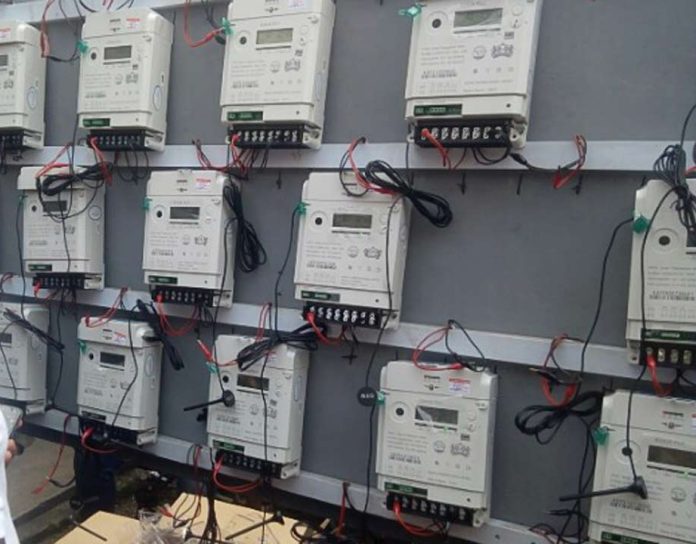
The Senate has urged the Federal Government to halt the use of public funds to indirectly enrich private electricity distribution companies, calling for a more equitable approach to managing the power sector.
Speaking during Thursday’s plenary, Chairman of the Senate Committee on Environment, Senator Yunus Akintunde (APC – Oyo Central), criticised the practice of using government resources to purchase electricity transformers for communities, only for the assets to be taken over by DisCos.
“When you buy a transformer with public funds and hand it over to a community, the DisCos still demand payment for installation. The moment it is energised, it becomes their asset. That’s how public money ends up enriching private monopolies,” Akintunde said.
He described the arrangement as unsustainable and unfair, urging the government to develop a structured subsidy regime that truly benefits ordinary Nigerians rather than private operators.
“Electricity subsidies are a global necessity, not a Nigerian anomaly. Even in advanced economies like the UK, energy is subsidised to protect vulnerable populations and drive growth. We shouldn’t abandon subsidies because of past abuses; instead, we should manage them effectively,” he stated.
Akintunde also highlighted structural imbalances in Nigeria’s power sector, noting that while generation and distribution have been privatised, transmission remains under government control with outdated infrastructure that limits reliable power supply.
“Most of our transmission lines and substations are obsolete and cannot handle modern power needs. This is one of the biggest bottlenecks to consistent electricity across the country.
“This issue is bigger than just transformers; it’s about fixing a broken system. We must stop using public funds to empower private interests and instead focus on delivering affordable and reliable electricity to Nigerians,” he warned.
In August 2024, the Minister of Power, Adebayo Adelabu, announced that the government would cover part of the electricity costs incurred by hospitals and universities, particularly those connected to Band A feeders, where tariff subsidies had been removed. However, stakeholders now say there has been no follow-up action, and institutions are still struggling with heavy financial burdens.
Industry sources familiar with the matter revealed that there is currently no active plan within government circles to execute the subsidy. According to them, the policy was never formally approved by the Federal Executive Council and may have been a political statement made without institutional backing. The Minister’s promise came after steep hikes in power tariffs left health and academic institutions paying up to three times their former rates. Some tertiary hospitals now reportedly spend as much as N300 million monthly on electricity, up from less than N100 million before the 2024 tariff review.
Speaking during a radio programme in Ibadan last August, Adelabu had said, “For the ones that are properly health and education-related, we are ready to subsidise them, even if they are on Band A. We are compiling our data. Discos will collect a certain amount, and the government will pay the balance.” He also clarified that the subsidy would not apply to commercial activities operating within the institutions. The former Minister of State for Health and Social Welfare, Dr Tunji Alausa, echoed the pledge, stating that the Federal Government had approved a 50 per cent electricity subsidy for public hospitals to reduce operational costs. But after a year, officials in government-owned hospitals and schools confirmed that no such relief had been received.
Several administrators, who spoke on condition of anonymity, expressed frustration at the continued silence from authorities. They said the escalating cost of electricity was placing immense strain on their finances and disrupting operations. “The government made a clear promise, yet nothing has been done. We are pleading for urgent action,” one official said. The National Coordinator of the All-Electricity Consumers Protection Forum, Adeola Samuel-Ilori, described the subsidy pledge as a “mere political statement” lacking institutional backing. “It’s unfortunate that there’s nothing like a subsidy in place by this government,” he said. “It was just an exciting announcement from the minister. My interaction with officials at the Nigerian Electricity Regulatory Commission confirmed that no such policy had been formally adopted.”
A Professor of Energy Law at the University of Lagos, Dayo Ayoade, suggested that the policy may have stalled due to concerns over sustainability and abuse. “The problem about subsidies is that they are difficult to target, and they are often abused,” he said. “It’s a good idea to help hospitals and universities manage their power costs, but the implementation has to be transparent and sustainable. Perhaps that is what is holding it back.” He also urged that the government should consider long-term alternatives, including solar energy, noting that “investing in renewables could take many institutions off the grid and reduce reliance on costly electricity.” However, he warned that such interventions would require time and consistent funding.
In a related development, several institutions, including the University of Lagos, have reportedly faced disconnection due to unpaid electricity bills. Sources say many hospitals are now forced to ration power or operate in darkness, further complicating service delivery. In respondence to inquiries, the Minister of Power, Bolaji Tunji, said the government was focusing on solar installations rather than direct subsidies. He said the Rural Electrification Agency was coordinating a project to power institutions with renewable energy sources.
According to data provided by Tunji, several universities and hospitals have already benefited. The University of Maiduguri and its teaching hospital received 12 megawatts of solar power, while the University of Calabar and its teaching hospital received 7 megawatts. Others include Michael Okpara University of Agriculture (3MW), Federal University of Agriculture, Abeokuta (3MW), University of Abuja (3MW), Nigerian Defence Academy (2.5MW), and Federal University Gashua (1.5MW).
Despite these efforts, stakeholders say the scope remains limited and does not address the immediate financial strain many institutions are facing due to high energy costs. Critics argue that solar installations, while promising, are long-term solutions that do not replace the urgent need for financial relief. With the minister now declaring his interest in the 2027 Ogun State governorship race, critics worry that the subsidy pledge may have been politically motivated from the start.
Observers continue to call on the government to clarify its position, either by rolling out the promised subsidy or unveiling a transparent, scalable plan to support health and academic institutions grappling with electricity challenges.
The Federal Government has raised concerns over the recent tightening of visa policies by the United States and the United Arab Emirates, describing the moves as disproportionate and calling for a reconsideration in the spirit of mutual respect and cooperation.
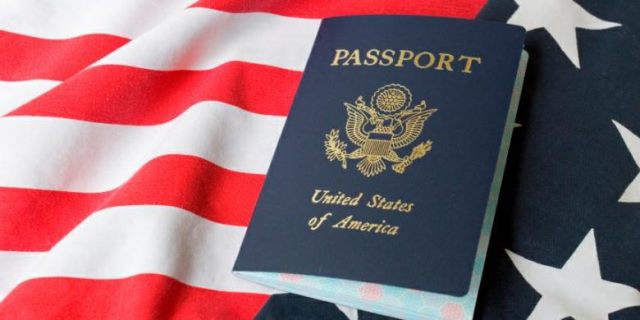
On Tuesday, the US Department of State announced that, effective July 8, 2025, most non-immigrant and non-diplomatic visas issued to Nigerian citizens—such as the B1/B2 (business and tourism), F (student), and J (exchange visitor) categories will be valid for only three months and limited to a single entry. The US government said the policy was part of a global visa reciprocity review to align with international standards and the integrity of its immigration system.
In a statement issued on Wednesday and signed by the spokesperson for the Ministry of Foreign Affairs, Kimiebi Ebienfa, the Nigerian government expressed disappointment, noting that the new policy appeared “misaligned with the principles of reciprocity, equity, and mutual respect that should guide bilateral engagements between friendly nations.”
“The attention of the Federal Government of Nigeria has been drawn to the recent decision by the United States Government to revise its visa reciprocity schedule for Nigerian citizens,” the statement read. “The Federal Government views this development with concern and keen interest, particularly given the longstanding cordial relations and strong people-to-people ties between our two countries.”
Ebienfa confirmed that the government was assessing the policy and would engage relevant stakeholders to determine its implications. “We are assessing the new policy and its necessary implications. The government will respond soon, after due consultation with relevant stakeholders,”
The FG warned that the policy could negatively impact students seeking education in the US, professionals engaging in legitimate business, and families reuniting with loved ones. “While acknowledging the sovereign right of every country to determine its immigration policies, Nigeria respectfully urges the United States to reconsider this decision in the spirit of partnership, cooperation, and shared global responsibilities,” Ebienfa added.
In a bid to resolve the issue, the Minister of Interior, Olubunmi Tunji-Ojo, led a delegation on Wednesday to meet with the US Ambassador to Nigeria, Richard M. Mills Jr. Tunji-Ojo stated on X (formerly Twitter) that the meeting was “constructive” and focused on visa reciprocity and ongoing cooperation. According to him, “The discussions centred on visa reciprocity, with Ambassador Mills Jr. providing valuable insights into the revised protocol and its alignment with established practices to uphold the integrity of the visa process.”
He added that the Nigeria Immigration Service and the US Mission in Nigeria had agreed to enhance collaboration, especially on secure documentation, visa overstay management, and information sharing on security matters. “Our government under the leadership of President Bola Tinubu will continue to ensure strict compliance across key areas,” Tunji-Ojo said. The US Embassy also clarified that the policy applies only to visas issued from July 8, 2025, and does not affect existing visas. It emphasised the need for compliance with US visa conditions and reiterated its commitment to maintaining strong ties with Nigeria.
Meanwhile, new entry requirements by the United Arab Emirates have further complicated travel for Nigerians. Dubai immigration now requires Nigerians aged 18 to 45 to be accompanied to qualify for a tourist visa. Those above 45 must present a six-month personal bank statement showing a monthly balance of at least $10,000 or its naira equivalent. Travel agents say the move is likely to significantly reduce travel between Nigeria and the UAE, particularly to Dubai, a popular destination for business and tourism. “For Nigerian nationals… an applicant aged 18 to 45 years travelling alone is not eligible for the tourist visa category,” a travel advisory read.
In a separate development, the British High Commission in Abuja announced a shift to digital eVisas for most Nigerians applying for study or work visas starting July 15, 2025. Successful applicants will receive secure, online immigration records instead of visa stickers. According to a statement, “From 15 July 2025, most individuals applying to enter the UK on study or work-related visas will no longer receive a physical visa sticker in their passport. Instead, successful applicants will be issued an eVisa.”
The High Commission clarified that all applicants would still be required to submit biometrics at Visa Application Centres. Gill Atkinson Obe, Chargé d’Affaires at the BHC, said the change is aimed at making the process more efficient and secure. “This is a further big step to a fully digital UK immigration system,” To the growing list of visa restrictions, Labour Party Deputy National Chairman, Dr Ayo Olorunfemi, blamed the Federal Government’s “incompetence” for Nigeria’s worsening international image. “It is not just about the visa bans,” he said. “Every country is moving forward, but Nigeria is stuck… our people are leaving in search of greener pastures.”
He warned that unless the government addressed insecurity, economic hardship, and poor leadership, international backlash would continue. “You can’t expect them to keep their borders open when we have refused to fix our own house,” Now The New Nigeria Peoples Party also described the restrictions as a reflection of how Nigeria is perceived globally. National Publicity Secretary, Ladipo Johnson, called the situation a “wake-up call,” highlighting the absence of appointed ambassadors under President Tinubu as a possible reason for weakened diplomacy.
“There is no clear strategy for presenting Nigeria’s interests to international partners,” he said. “It is a shame that things seem to be degenerating for us on the international stage.” The diplomatic tensions also sparked conversations on social media. Dele Momodu of the Peoples Democratic Party posted, “The ramifications of President Tinubu’s limited diplomatic experience and strategic vision are becoming increasingly evident.”
Former presidential aide Bashir Ahmad suggested that the US visa policy shift may not be about reciprocity alone. “Rather, it appears to reflect growing US discomfort with Nigeria’s increasing global realignment,” he said, referencing Nigeria’s recent participation in the BRICS summit. Special Adviser to President Tinubu on Policy Communication, Daniel Bwala, however, dismissed any suggestion that Nigeria’s relationship with the US had deteriorated. “We are in a good relationship with the US,”
“The reciprocity requires review, and we are taking steps to rectify issues. No problems at all.” As the diplomatic back-and-forth unfolds, the Federal Government maintains that it will continue engaging with all parties to ensure outcomes that respect Nigeria’s interests and protect its citizens abroad.
Electricity distribution companies across Nigeria received 254,404 customer complaints in the first quarter of 2025, driven largely by faulty meters, inaccurate billing, and erratic power supply, according to the Nigerian Electricity Regulatory Commission (NERC).
The figure marks a 7.7% decline from the 275,681 complaints recorded in the previous quarter. However, issues around metering (42.8%), billing (12.3%), and service interruptions (7.7%) dominated customer grievances, collectively accounting for nearly 63% of all complaints lodged between January and March.
Port Harcourt DisCo recorded the highest number of complaints, with 57,843 cases—nearly 23% of the total—while Yola DisCo received the fewest at 2,495. Other high-volume DisCos included Ibadan (42,393), Eko (36,780), and Ikeja (25,555). Notably, Abuja DisCo saw a sharp decline in complaints, dropping 74% from the previous quarter to 6,225 cases.
While six DisCos reported reductions in customer complaints, others saw sharp increases. Kano DisCo experienced an 86% surge in complaints, rising from 17,328 to 32,251, driven mainly by metering issues, which accounted for 25,988 of its complaints—the second-highest in this category nationwide, following Eko DisCo’s 17,972.
NERC disclosed that billing-related complaints led to customer refunds totaling ₦32.2 billion in the first quarter, reflecting the commission’s push for accountability and consumer protection within the power sector.
Port Harcourt DisCo also topped the billing complaints chart with 5,260 cases while leading in the “Others” category with 28,959 cases, suggesting persistent unresolved issues. Voltage issues, disconnections, load shedding, and delays also featured among customer concerns during the period.
Despite the high volume of complaints, DisCos collectively raked in ₦553.63 billion in revenue in Q1, even as consumers grappled with poor supply reliability, billing inefficiencies, and persistent outages.
NERC stated it would continue strengthening enforcement mechanisms and customer service protocols across all 11 DisCos to accelerate complaint resolution and reduce recurring issues, noting that real-time responsiveness to customer feedback is critical to restoring public trust in the power sector.
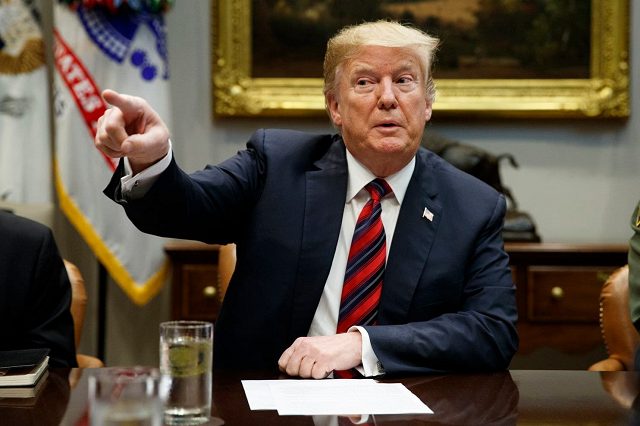
U.S. President Donald Trump on Wednesday hosted the presidents of Gabon, Guinea-Bissau, Liberia, Mauritania, and Senegal at the White House, as the leaders sought American support to develop their countries’ natural resources and attract investment.
During a lunch at the State Dining Room, Trump described the visiting nations as “very vibrant places with very valuable land, great minerals, great oil deposits, and wonderful people.” He hinted that the five countries were unlikely to face U.S. tariffs and noted recent progress in African peace efforts, including a recent agreement between the Democratic Republic of the Congo and Rwanda signed at the White House.
At the meeting, Gabon’s President Brice Oligui Nguema emphasized his country’s openness to investment, noting Gabon’s desire to process its raw minerals locally to create more value. “We are not poor countries. We are rich in raw materials, but we need partners to support us with win-win partnerships,” Nguema said.
Senegal’s President Bassirou Diomaye Faye highlighted tourism and investment opportunities in his country, even jokingly inviting Trump to showcase his golf skills on a planned course just six hours from New York.
The meeting comes amid U.S. efforts to reassert economic ties with Africa, where China has expanded its influence in recent years. The U.S. International Development Finance Corporation (DFC) announced that it would provide project funding for the Banio Potash Mine in Mayumba, Gabon, aimed at reducing the country’s reliance on imports. “DFC’s efforts not only benefit the countries where they invest but also advance U.S. economic interests by opening new markets and strengthening trade relationships,” said Conor Coleman, DFC’s head of investments.
Though the five nations represent a small portion of U.S.-Africa trade, they hold significant untapped natural resources. Senegal and Mauritania also serve as key transit and origin points in migration routes, while Guinea-Bissau continues to grapple with drug trafficking—issues that remain on Washington’s radar.
Trump is expected to announce dates for a broader summit with African leaders, potentially in September during the United Nations General Assembly, as part of efforts to strengthen U.S.-Africa relations.
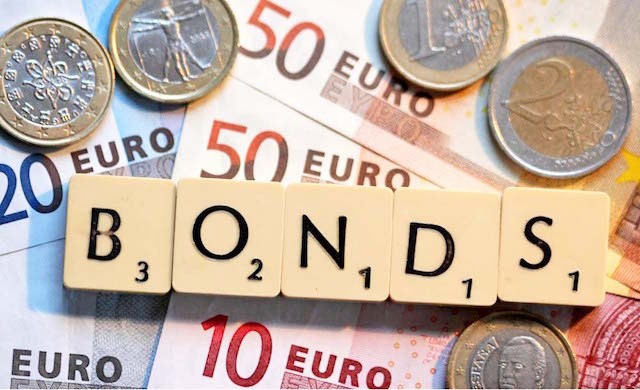
Nigeria’s $1.12 billion Eurobond is set to mature in November, and analysts anticipate the government will step up foreign borrowing in the second half of the year to meet this obligation amid rising debt pressures.
In the first half of 2025, the government largely tapped the local debt market to finance its budget deficit, slowing fixed-income securities issuance while introducing Sukuk and green bonds into its funding mix. During the quarter, the Debt Management Office (DMO) offered ₦750 billion across various bond tenors but raised ₦798.6 billion against total subscriptions of ₦1.54 trillion.
Nigeria’s public debt rose by 3.26% quarter-on-quarter to ₦149.39 trillion at the end of March 2025, marking a 22.78% year-on-year increase, reflecting continued fiscal reliance on debt to bridge budget gaps amid tepid revenue and elevated spending.
Cordros Capital projects that public debt will expand further to 54% of GDP in 2025 due to persistent borrowing across domestic and external markets.
In its mid-year report, CardinalStone Partners noted that the government raised about ₦3 trillion through Nigerian Treasury bills and bonds in the first half, with an additional ₦10.08 trillion in net issuance likely needed to cover the estimated deficit for the year.
“While Nigeria relied heavily on the domestic market for deficit financing in H1, we expect a notable increase in external sourcing in H2 2025,” CardinalStone stated. The firm disclosed that the government plans to raise $1.20 billion through the DMO and an additional $2 billion at concessionary rates from multilateral sources, totaling approximately ₦4.90 trillion at the official exchange rate of ₦1,530/$ as of June 2025.
The remaining ₦5.19 trillion needed for deficit financing is expected to be sourced locally after accounting for rollovers.
CardinalStone added that part of the expected external borrowings will likely be used to repay the maturing $1.12 billion Eurobond and cover cumulative coupon payments of about $1.38 billion.
During the year, President Bola Tinubu sought National Assembly approval for foreign borrowings totaling $21 billion, €2.2 billion, and ¥15 billion for project financing tied to the country’s medium-term expenditure framework.
Analysts note that these developments underscore the critical role foreign borrowing will continue to play in Nigeria’s deficit financing strategy over the medium term.
Money market rates hovered near 30% on Thursday as the settlement of the Central Bank of Nigeria’s (CBN) open market operations (OMO) auction drained liquidity from the financial system. The apex bank offered ₦600 billion in OMO bills, attracting strong demand with bids totaling ₦2.17 trillion, and eventually allotted ₦1.25 trillion—further tightening system liquidity.
Following the large outflows, some deposit money banks and investment funds turned to the standing lending facility to meet their funding needs. The open repo rate jumped by 100 basis points to 29.75%, while the overnight lending rate climbed by 109 basis points to 30.42%, reflecting the liquidity squeeze as banks and foreign portfolio investors settled their OMO bill purchases.
The Nigerian Interbank Offered Rate (NIBOR) also moved higher across all maturities, in line with the tighter liquidity in the banking system.
Despite the pressure on liquidity, the secondary market for Nigerian Treasury Bills remained bullish, with strong investor demand pushing the average yield down by 8 basis points to 19.35%, according to Cowry Asset Management. The NTB curve declined across all maturities, indicating lower yields on short- and medium-term instruments.
Unless significant inflows improve system liquidity, interbank rates are expected to remain elevated in the near term.
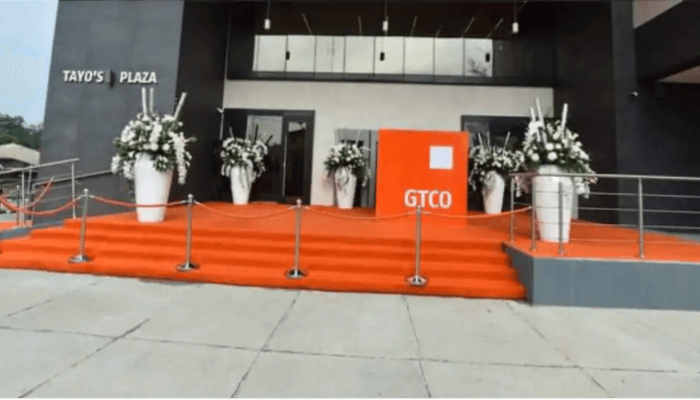
Guaranty Trust Holding Company Plc (GTCO) commenced trading on the prestigious London Stock Exchange (LSE) on Wednesday, following the successful completion of its primary equity offering.
With this development, GTCO has become the first Nigerian financial institution to achieve a full equity listing on the LSE. According to a statement published on the group’s official website, a total of 36.4 billion of the company’s ordinary shares have been officially listed on the LSE’s main market, enabling immediate trading activities.
GTCO confirmed that its entire issued share capital—comprising exactly 36,425,229,514 shares—has been admitted into the equity shares category under the international commercial companies’ secondary listing segment of the UK Financial Conduct Authority’s Official List.
In addition, the company announced that its shares are now being traded under the ticker symbol “GTHC.” The firm also plans to transition this ticker to “GTCO” after completing the cancellation of its Global Depository Receipts (GDRs).
Leading up to its London listing, GTCO had already attracted significant foreign portfolio investment in the Nigerian market, buoyed by the bank’s robust financial performance and growing market share. Notably, GTCO maintains one of the banking sector’s most competitive cost-of-funds structures, underpinned by its expansive presence in the retail banking segment.
The Central Bank of Nigeria (CBN) executed a major open market operation (OMO) on Wednesday, allotting ₦1.25 trillion worth of OMO bills to investors at a reduced stop rate of 21.99%, marking a strategic move to manage excess liquidity in the financial system.
The apex bank initially offered ₦600 billion worth of OMO bills across two tenors—₦300 billion in 272-day bills and another ₦300 billion in 363-day instruments—through a competitive bid process.
Investor appetite, however, significantly outpaced the CBN’s offering, with both local and foreign participants submitting total bids amounting to ₦2.174 trillion. Analysts attributed this surge in demand to the limited availability of fixed-income securities in the market and heightened investor preference for longer-tenor instruments.
In response to the overwhelming demand for long-term securities, the CBN bypassed the mid-tenor tranche and fully allocated ₦1.25 trillion in 363-day bills alone. This strategic decision allowed the central bank to capitalize on the market momentum while also lowering its balance sheet servicing costs.
The stop rate of 21.99% for the 363-day maturity reflects a declining yield trend from previous peak rates, which had touched as high as 24.65% in recent months. The move signals a shift in the monetary policy landscape as authorities leverage strong demand to recalibrate interest expenses.
Market watchers see the latest OMO results as an indication that liquidity absorption through debt issuance remains a key tool in the CBN’s arsenal for macroeconomic management.
The Nigerian naira appreciated significantly in the foreign exchange market on Wednesday, strengthening by ₦9 to close at ₦1,520.00 per U.S. dollar. This improvement comes on the back of fresh dollar inflows that boosted liquidity levels across the market
According to traders, the naira traded within the range of ₦1,520 to ₦1,530 against the greenback. Market sentiment turned positive after Nigeria’s external reserves registered a recovery, breaking away from a previously sustained downward trend. The Central Bank of Nigeria (CBN) reported a rise in the country’s gross external reserves to $37.282 billion, following two notable dollar inflows from undisclosed sources.
Spot foreign exchange data released by the CBN showed that the official rate closed at ₦1,520.7490 per dollar, improving from the previous day’s ₦1,529.22.
Despite limited intervention by the CBN in the forex market during July, the naira has continued to hold strong. Contributing to the reduced pressure on the FX market is the local supply of refined petroleum products from the Dangote refinery, which has significantly lowered the country’s foreign currency demand for imports.
Improved forex sentiment has also been driven by fairer exchange rate valuation, with increased participation from offshore investors in the central bank’s open market operations (OMO). Many Nigerian investment bankers have now adopted a bullish stance on the naira, projecting an exchange rate between ₦1,560 and ₦1,700 per dollar by year-end, assuming no major surge in forex demand.
On the global front, crude oil prices edged higher, with Brent crude rising 38 cents to $70.53 per barrel, supported by strong U.S. gasoline consumption and rising geopolitical tensions affecting Red Sea shipping routes. U.S. West Texas Intermediate (WTI) crude also saw an increase of 43 cents, trading at $68.76 per barrel.
Meanwhile, gold prices experienced marginal gains, climbing 0.3% to $3,309.24 per ounce, although further growth was tempered by a strengthening U.S. dollar. Analysts say the ongoing tight supply levels in the oil market—despite increased output—continue to reflect robust global demand.
The Federal Government of Nigeria has called on the United States to revisit its recent adjustment to visa reciprocity terms, which now restricts Nigerian citizens to a single-entry, three-month validity on non-immigrant visas.
This plea was made public through an official statement issued by Kimiebi Ebienfa, spokesperson for the Ministry of Foreign Affairs. Expressing concern over the new visa limitations, the Nigerian government emphasized the historical bonds of cooperation, mutual respect, and shared global responsibilities that have long characterized U.S.-Nigeria relations.
“The Federal Government has taken note of the recent update by the U.S. government regarding its visa reciprocity policy, particularly affecting Nigerian citizens applying for non-immigrant visa categories such as B1/B2, F, and J,” the statement reads.
The government described the change as “worrying,” especially considering the strong diplomatic ties and the extensive network of interpersonal, educational, and economic engagements between the two nations.
“This move appears to contradict the spirit of reciprocal fairness and mutual regard that ideally underpins bilateral agreements between allied nations,” the statement continued.
Officials argue that the restricted visa terms impose an unequal burden on Nigerian nationals, including tourists, students, business professionals, and family members seeking temporary visits or contributing to academic and cultural exchanges.
The Ministry of Foreign Affairs urged the U.S. government to reevaluate the decision “with a view to fostering sustained partnership, equitable cooperation, and a shared commitment to global development.”
Despite Nigeria’s appeal, the U.S. government has reaffirmed that all non-immigrant visas issued prior to July 8, 2025, will retain their original validity.
A separate statement from the U.S. Embassy in Nigeria explained that visa reciprocity adjustments are part of a standardized global practice, subject to periodic review and revision depending on various bilateral factors.
Nigeria’s foreign ministry assured citizens that diplomatic efforts are ongoing and reiterated its commitment to securing a fair outcome that aligns with both national interests and the enduring values of mutual international respect.
In a move signaling a strategic policy shift, the Central Bank of Nigeria (CBN) has sharply reduced the spot rates on Nigerian Treasury Bills (NTBs) across all standard tenors, despite receiving an overwhelming subscription of over ₦1 trillion.
The primary market auction, overseen by the Debt Management Office (DMO) on behalf of the CBN, saw a total offering of ₦250 billion across the 91-day, 182-day, and 364-day instruments. Investor appetite surged, with total subscriptions amounting to ₦1.329 trillion, indicating robust market demand—particularly for longer-dated instruments.
Out of the total offers, only ₦201.817 billion in NTBs were eventually allotted to investors, highlighting the CBN’s cautious stance in managing liquidity while recalibrating yields.
For the 91-day maturity, the central bank proposed ₦100 billion in short-term bills but received bids totaling ₦105.07 billion. In response, only ₦59.84 billion was allotted at a revised spot rate of 15.74%, notably down from the 17.80% recorded at the previous auction.
Similarly, the 182-day tenor received ₦44.27 billion in bids for a ₦20 billion offer. However, just ₦15.67 billion was allocated, with the spot rate slashed to 16.20%, a significant drop from 18.35% in the preceding sale.
The one-year (364-day) Treasury bill segment garnered the lion’s share of interest, with the CBN offering ₦130 billion and investors placing a staggering ₦1.180 trillion in bids. Ultimately, ₦126.31 billion was allotted at a sharply reduced yield of 16.30%, compared to 18.84% previously.
This yield compression across maturities is widely interpreted by analysts as a possible signal that the CBN may be preparing to adjust its benchmark interest rate at the next Monetary Policy Committee (MPC) meeting. It also reflects broader liquidity management strategies and evolving monetary policy objectives.
The sharp contrast between demand and final allotment underscores investor confidence in government-backed securities, even as the CBN seeks to temper inflationary pressures and stabilize economic indicators.
Financial analysts suggest that the central bank’s strategy may be aligned with broader macroeconomic goals, including controlling borrowing costs for the federal government and easing pressure on the domestic debt market.
Paris Saint-Germain delivered a stunning performance to thrash Real Madrid 4-0 in the FIFA Club World Cup semi-final on Thursday, bringing an end to Xabi Alonso’s unbeaten tenure as manager after six consecutive victories.
In front of a crowd largely adorned in the iconic white of Real Madrid, expectations were high for the Spanish giants. But within the opening ten minutes, those hopes were shattered. A disastrous opening sequence saw PSG capitalise on two defensive errors to seize full control of the match.
Raúl Asencio’s lapse in concentration allowed Ousmane Dembélé to intercept and charge towards goal, only to be brought down by Thibaut Courtois. Fabián Ruiz was on hand to calmly bury the loose ball, putting the Ligue 1 champions ahead. Moments later, Antonio Rüdiger’s misdirected pass landed at the feet of Dembélé, who made no mistake with a precise left-footed shot past the Real Madrid goalkeeper.
From there, the French giants grew in confidence. Achraf Hakimi nearly extended the lead with a powerful strike from range, but it whistled just wide. The Moroccan full-back would soon turn provider, combining in a fluid attacking movement that ended with Ruiz finishing off his second of the night to make it 3-0 before the half-hour mark.
Khvicha Kvaratskhelia had a golden opportunity to add a fourth before halftime, but his curling effort missed the far post by inches.
As play resumed after the break, Real Madrid showed brief glimpses of life. Désiré Doué found the net for PSG early in the second half, only to see the goal ruled out for a narrow offside. Despite marginal improvement from the Spanish side, Gianluigi Donnarumma remained largely untested in goal.
Kylian Mbappé, facing his former club for the first time, tried his luck from distance, but the effort sailed over the crossbar without troubling Courtois.
Luis Enrique’s side pushed for a fourth with Hakimi threading a dangerous ball into the path of Gonçalo Ramos, who dragged his shot wide from a tight angle. Real Madrid’s Éder Militão attempted to claw back some dignity with a speculative long-range strike late in the game, but it was PSG who would land the final blow.
Bradley Barcola dazzled with slick footwork inside the penalty box before squaring to Ramos, who coolly slotted home past Courtois to complete the rout.
The result marks a defensive milestone for PSG, who have now registered five consecutive clean sheets in knockout matches across all competitions. The emphatic victory sets up a high-profile clash against Chelsea in Sunday’s final, where the French and European champions will enter as clear favourites to lift the restructured Club World Cup trophy.
Stanbic IBTC Capital, a leading investment banking and capital markets solutions provider, is pleased to have acted as Sole Financial Adviser to Tolaram (acting through N Seven Nigeria Limited) on its recently completed Mandatory Takeover Offer (“MTO”) to the minority shareholders of Guinness Nigeria PLC (“Guinness Nigeria”), undertaken to comply with regulatory requirements following its acquisition of a 58.02% stake in Guinness Nigeria last year.
The MTO was completed on 20 May 2025 and Guinness Nigeria minority shareholders successfully tendered a total of 283,099,431 shares (₦22.94 billion transaction value), thus increasing Tolaram’s shareholding in Guinness Nigeria from 58.02% to 70.85%
Stanbic IBTC provided comprehensive end-to-end support across both transactions, delivering a full suite of investment banking and capital markets solutions to facilitate the successful completion of this complex corporate action.
“We thank Tolaram for the longstanding partnership and for trusting Stanbic IBTC Capital to handle this important MTO, having also advised Tolaram on its acquisition of Guinness Nigeria last year” said Oladele Sotubo, Chief Executive of Stanbic IBTC Capital.
Dinesh Rathi, Group Finance Director, Tolaram stated, “We are grateful for the end-to-end support Stanbic IBTC Capital provided Tolaram throughout the MTO process. Their on-the-ground presence and expertise was invaluable in navigating the regulatory landscape and ensuring that interested Guinness Nigeria minorities were given the opportunity to sell their shares at the same price that Tolaram acquired the Guinness Nigeria stake from Diageo plc. Guinness Nigeria has sufficient free float despite the MTO and Tolaram intends to continue to maintain Guinness Nigeria’s listing on Nigerian Exchange Limited”.
As the Nigerian business landscape continues to evolve, this deal marks a significant milestone for Stanbic IBTC Capital, underscoring its expertise in advising on complex transactions and delivering comprehensive financial solutions to clients.